
How Much Do Cell Phone Lockers Cost? 2026 Pricing Guide
Commercial cell phone lockers typically cost between $25 and $60 per opening, with total unit prices ranging from $150 for basic acrylic models to over $5,000 for high-end smart systems. Your total investment depends on material durability, locking technology, and whether you require integrated charging capabilities.
In this guide, you will:
- Compare average price ranges for different locker types.
- Analyze the primary factors that drive manufacturing costs.
- Identify hidden expenses like freight and installation.
- Calculate the long-term ROI of secure phone storage.
The Quick Answer: Average Cost Ranges
When budgeting for cell phone lockers, it is helpful to view costs through the lens of "price per opening" (PPO). This metric allows facility managers to estimate total project costs regardless of whether they need 10 or 500 compartments.
| Locker Tier | Estimated Unit Price | Price Per Opening (PPO) | Best For |
| Budget (Acrylic/Light Metal) | $150 – $400 | $15 – $30 | Temporary events, low-security retail |
| Standard (Commercial Steel) | $600 – $1,500 | $30 – $50 | Schools, government offices, warehouses |
| Smart/Charging (Digital/Biometric) | $2,000 – $5,000+ | $80 – $150+ | High-security tech firms, luxury gyms |
For example, a high-quality 30-door steel unit—the industry standard for a medium-sized classroom or office floor—typically costs between $1,200 and $1,800 depending on the lock type.
5 Major Factors That Drive Cell Phone Locker Pricing
Understanding why two seemingly identical lockers have vastly different price tags requires looking at the technical specifications and manufacturing standards.
Material Quality (Steel vs. Phenolic vs. Acrylic)
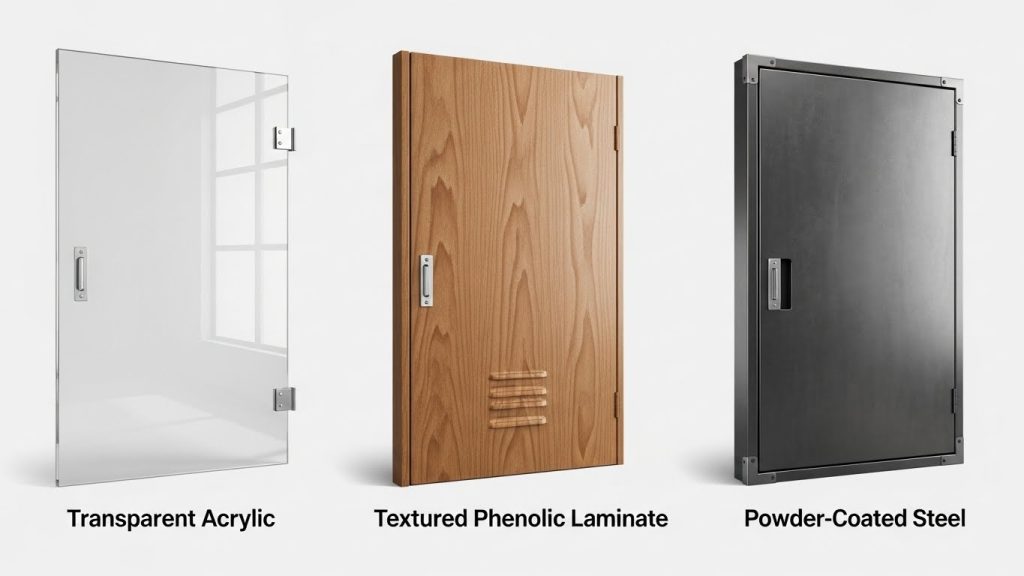
The foundation of the locker’s cost is its raw material.
- Galvanized Steel: The most common choice for B2B environments. It offers a balance of security and cost-efficiency. Using 1.0mm thickness (needs verification) ensures the unit resists denting and tampering.
- Phenolic (HPL): Often costing 30% to 50% more than steel, high-pressure laminate is preferred for high-humidity areas. If you are researching what’s the best gym phone storage solution for members, phenolic is often the answer because it is waterproof and anti-corrosive.
- Acrylic: The least expensive option, offering visibility but lower security.
Locking Mechanisms (Key, Combination, or Smart)
The lock is often the most expensive component of the door assembly.
- Keyed Locks: The baseline for pricing. While cheap upfront, the cost of replacing lost keys can add up.
- Digital PIN Locks: These add roughly $20–$50 per door. They eliminate key management labor and are highly popular in modern workplaces.
- Biometric/RFID: These are part of advanced systems and can double the unit's price. To understand the technology behind these, see our guide on what are smart phone lockers and how do they work.
Charging Capabilities
Integrating power is a significant cost driver. Units with built-in USB-C or AC outlets require internal wiring, surge protection, and ventilation to manage heat. Adding charging typically increases the base price by approximately 25–40%.
Configuration & Mounting
How the locker sits in your space impacts the price.
- Surface-Mounted: The most affordable to install as they bolt directly to the wall or sit on a stand.
- Recessed: These require a "flange" or trim kit and professional carpentry to sit flush with the wall, increasing both hardware and labor costs.
Order Volume (The "Bulk" Discount)
As an OEM manufacturer, volume is the most effective way to lower the PPO. Ordering 50+ units directly from the factory can often reduce the per-unit price by 15–25% compared to buying individual units from a local distributor.
Hidden Costs Most Buyers Forget
The sticker price is rarely the final "landed" cost. To avoid budget overruns, account for these three variables:
- Freight and Logistics: Phone lockers are heavy, particularly those made from 1.0mm steel. Shipping a single 50-door unit can cost $150–$400 depending on the distance and whether you need a liftgate delivery.
- Professional Installation: While many units come pre-assembled, securing them to a wall to meet safety codes may require a contractor ($100–$500 per project).
- Administrative Maintenance: Factor in the "cost of chaos." Key-based systems require a physical log and spare keys, while digital systems may require battery replacements every 12–24 months.
Common Mistakes to Avoid:
- Ignoring the gauge of steel: Buying "cheap" thin-gauge steel often leads to doors bending within the first year.
- Forgetting ventilation: If you choose charging lockers, ensure they have airflow slots; otherwise, phones may overheat, creating a liability.
ROI: Is the Investment Worth It?
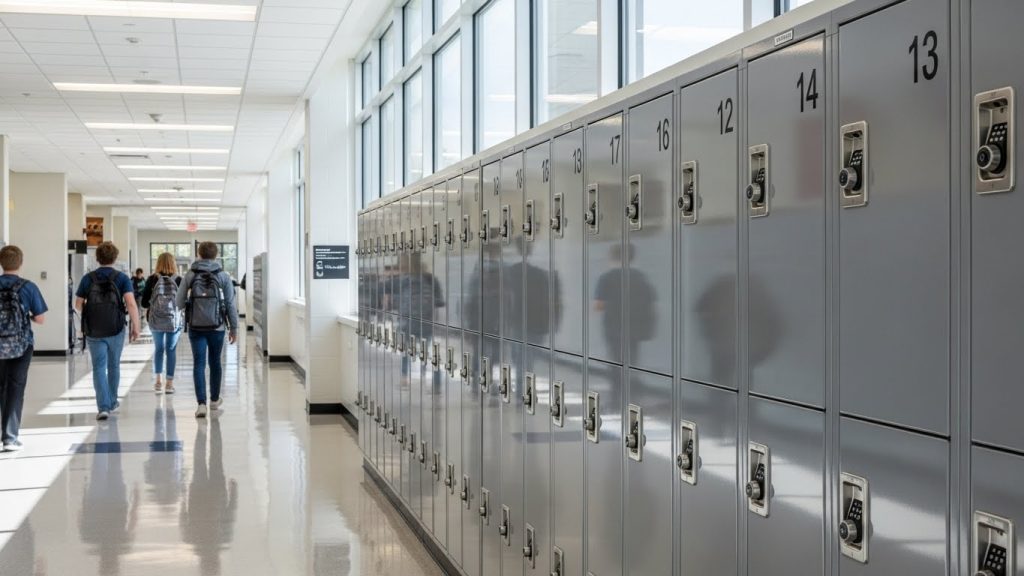
While the upfront cost can be significant, the Return on Investment (ROI) is measured in security and productivity. For corporations, the primary value is in IP protection. Understanding how phone lockers improve data security and compliance is essential for facilities handling sensitive information where a single "unauthorized photo" could cost millions.
In educational settings, the ROI is seen in improved test scores and reduced social friction, making the $40-per-student investment a minor cost compared to the long-term educational benefits.
Frequently Asked Questions
Yes, especially in environments where distraction or security breaches are costly. They provide a physical deterrent against theft and help enforce "no-phone" policies in schools and high-security offices.
Some models do, but it is an optional feature. Integrated charging usually utilizes USB-C ports and increases the unit cost by 25% or more due to electrical components and safety certifications.
A standard 30-door steel locker typically ranges from $1,200 to $1,800. If you add digital locks or charging capabilities, that price can rise to $2,500 or higher.
It is difficult and often more expensive to retrofit lockers. If you anticipate needing charging, it is significantly more cost-effective to purchase a pre-wired unit from the manufacturer.
Shipping costs depend on weight and location, but expect to pay between $150 and $400 per pallet for domestic freight. Buying in bulk helps distribute this cost across more units.
While surface-mounting is a straightforward DIY task for most maintenance teams, recessed installation usually requires a professional contractor to ensure the wall structure remains sound.
Conclusion
Determining how much cell phone lockers cost requires balancing your immediate budget with your long-term security needs. While you can find budget-friendly units for under $200, a high-quality, commercial-grade steel system typically starts around $30 per opening.
