
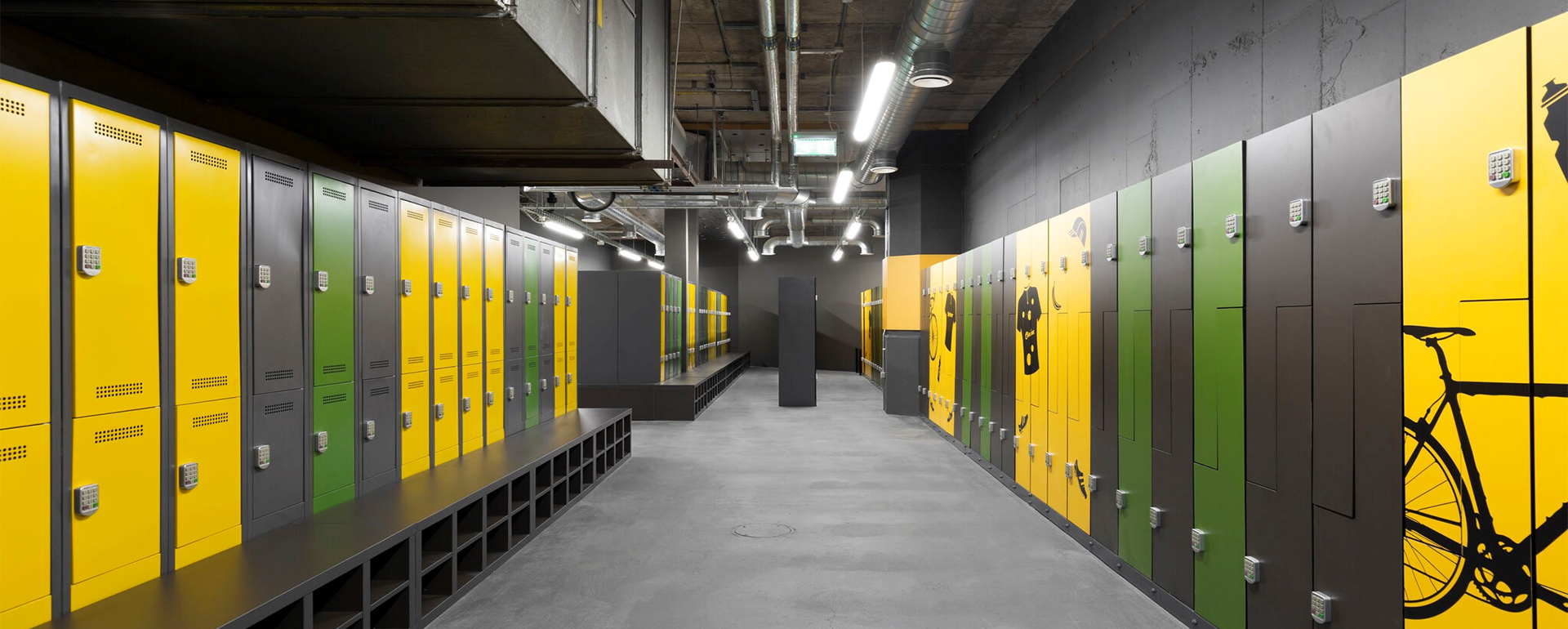
Metal vs Laminate Phone Lockers: Which Material Should You Choose?
Laminate phone lockers generally offer superior longevity, lasting between 15 and 20 years compared to the 7 to 12-year lifespan of standard metal lockers. While metal provides a lower initial cost and better heat dissipation for charging devices, laminate excels in high-moisture and high-impact environments.
In this guide, you will:
- Compare the long-term durability of steel vs. High-Pressure Laminate (HPL).
- Understand how material choice affects device safety and charging heat.
- Analyze the "Whole-Life Cost" (WLC) to maximize your facility budget.
- Identify the best material for your specific environment (schools, gyms, or offices).
The Durability Showdown: Which Material Lasts Longer?
When evaluating cell phone lockers, longevity is rarely about the material failing entirely; it is about how long the unit remains functional and professional in appearance. Metal lockers (typically cold-rolled steel) have a functional lifespan of 7 to 12 years. However, in high-traffic areas, they often suffer from "aesthetic failure"—dents, scratches, and paint chips—much sooner.
High-Pressure Laminate (HPL) or phenolic lockers are engineered for performance, often maintaining their structural integrity for 15 to 20 years. Because the color is integrated throughout the material (or protected by a heavy-duty wear layer), they do not show scratches or "white marks" like painted metal.
Common Mistakes to Avoid:
- Ignoring the Environment: Installing standard metal lockers in a humid gym locker room leads to oxidation (rust) within 24 months.
- Underestimating Impact: In middle schools, lockers are often kicked or slammed; thin-gauge metal will dent permanently, whereas laminate absorbs the impact.
Metal Phone Lockers: The Utilitarian Standard
Metal remains the industry standard for industrial and temporary storage due to its high strength-to-weight ratio and fire resistance. Most modern metal units are finished with a powder coating, which is more durable than traditional liquid paint but still susceptible to chemical wear from harsh disinfectants.
A unique advantage of metal in 2026 is its thermal conductivity. As phones transition to higher-wattage USB-C fast charging, they generate significant heat. Metal acts as a natural heat sink, helping to pull warmth away from the device compartments.
Key Strengths:
- Fire Safety: Non-combustible material suitable for high-compliance zones.
- Security: Difficult to puncture or cut without specialized tools.
- Initial ROI: Lower upfront purchase price for large-scale deployments.
Laminate (Phenolic) Lockers: The Modern Performance Choice
Laminate lockers, specifically those made from High-Pressure Laminate (HPL), are non-porous and water-resistant. This makes them the primary choice for any facility where hygiene or moisture is a factor. Unlike metal, laminate will never rust, nor will it support the growth of mold or bacteria.
From an aesthetic perspective, laminate offers a premium feel. It is significantly quieter than metal; the "clang" of a metal door is replaced by a muffled thud, making it the preferred choice for modern open-plan offices and libraries.
Key Strengths:
- Graffiti Resistance: Most ink and spray paint can be removed without damaging the finish.
- Corrosion Proof: Essential for coastal schools or facilities using heavy chemical cleaners.
- Acoustic Benefits: Drastically reduces noise pollution in hallways.
Electronics Safety: Heat & Charging Considerations
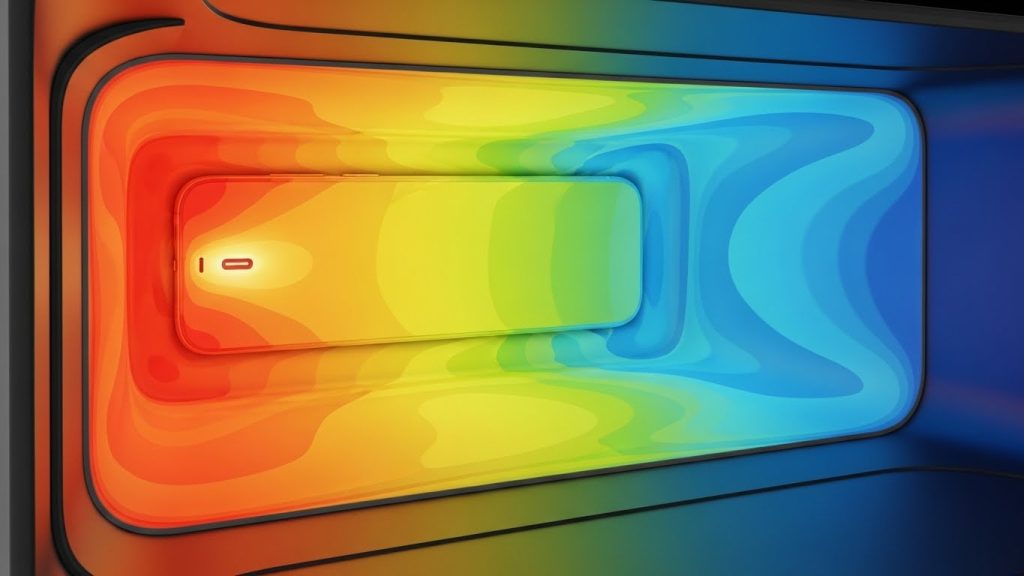
The storage of mobile devices introduces a variable that standard lockers don't face: internal heat. When 50+ phones are charging simultaneously in a confined bank of lockers, ambient temperatures can rise quickly.
Metal lockers dissipate this heat across their entire surface area. If you opt for laminate, which acts more like an insulator, you must ensure the unit features active or passive ventilation. Common mistake: Buying "sealed" laminate lockers for charging purposes, which can lead to device battery degradation or thermal shutdown.
For maximum security in these units, consider how the material integrates with locking hardware. You can learn more about this in our guide on Key Lock vs Digital Lock Phone Lockers.
Cost Analysis: Initial Price vs. Whole-Life Cost (WLC)
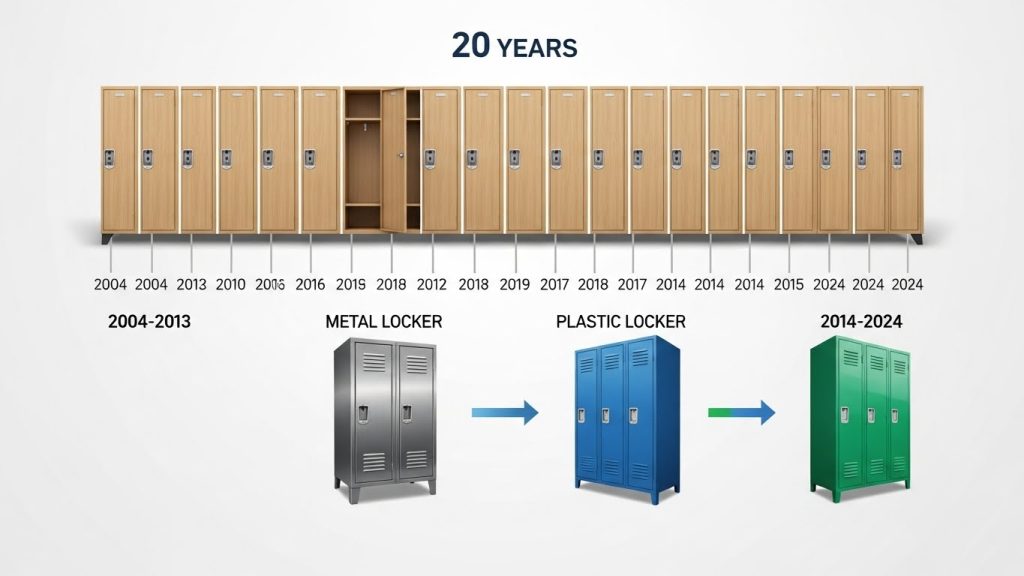
Procurement officers often focus on the "sticker price," but the Whole-Life Cost (WLC) tells a different story.
| Feature | Metal Lockers | Laminate (HPL) Lockers |
| Initial Investment | Lower | Higher (approx. 30-50% more) |
| 10-Year Maintenance | Painting/Rust treatment needed | Zero to minimal |
| Replacement Cycle | 8-10 years | 18-20 years |
| Cleaning Cost | High (specialized cleaners) | Low (soap and water) |
While metal is cheaper today, laminate is almost always cheaper per year of service. In a 20-year window, a facility will typically replace metal lockers twice, whereas a single HPL installation would still be in service.
Decision Matrix: Which is Right for Your Facility?
Best for Schools (Durability Focus)
Laminate is the winner here. The ability to withstand heavy impacts, resist graffiti, and operate quietly in busy corridors outweighs the higher initial cost.
Best for Offices (Aesthetic & Quiet Focus)
Laminate or wood-veneer lockers are preferred for corporate environments where "industrial" metal looks out of place. They integrate better with office furniture and reduce noise. If the lockers are for temporary use, wall-mounted vs floor-standing phone lockers should be your next consideration for space saving.
Best for Gyms and Pools (Moisture Focus)
Laminate is the only viable long-term option. Even galvanized steel will eventually succumb to the high humidity and chlorine/salt exposure found in fitness centers.
FAQ
Yes, if they are made of standard cold-rolled steel and exposed to moisture or humidity. Powder-coated metal resists rust better than painted steel, but any scratch that reaches the base metal will eventually oxidize.
Initially, yes. Laminate lockers usually cost 30% to 50% more than metal ones upfront. However, their longer lifespan and lack of maintenance costs usually make them more affordable over a 10-year period.
Both are highly secure for phone storage. Metal is harder to "pry" if it is a heavy gauge, while thick laminate (phenolic) is nearly impossible to dent or break through with blunt force.
Laminate is non-porous and can be cleaned with standard household disinfectants, soap and water, or even diluted bleach without damaging the surface.
Metal is an excellent thermal conductor and is actually superior to laminate for dissipating the heat generated by fast-charging hubs and phone batteries.
Yes. Laminate does not ring or echo like metal. This makes it the ideal choice for environments where "locker clatter" would be a distraction.
Conclusion
The choice between metal and laminate comes down to your environment and your budget timeline. If you need a low-cost, fire-rated solution for a dry environment with high charging needs, metal is an excellent choice. However, if you are looking for a "set it and forget it" solution that survives high traffic, moisture, and rough use for two decades, laminate is the superior investment.
