
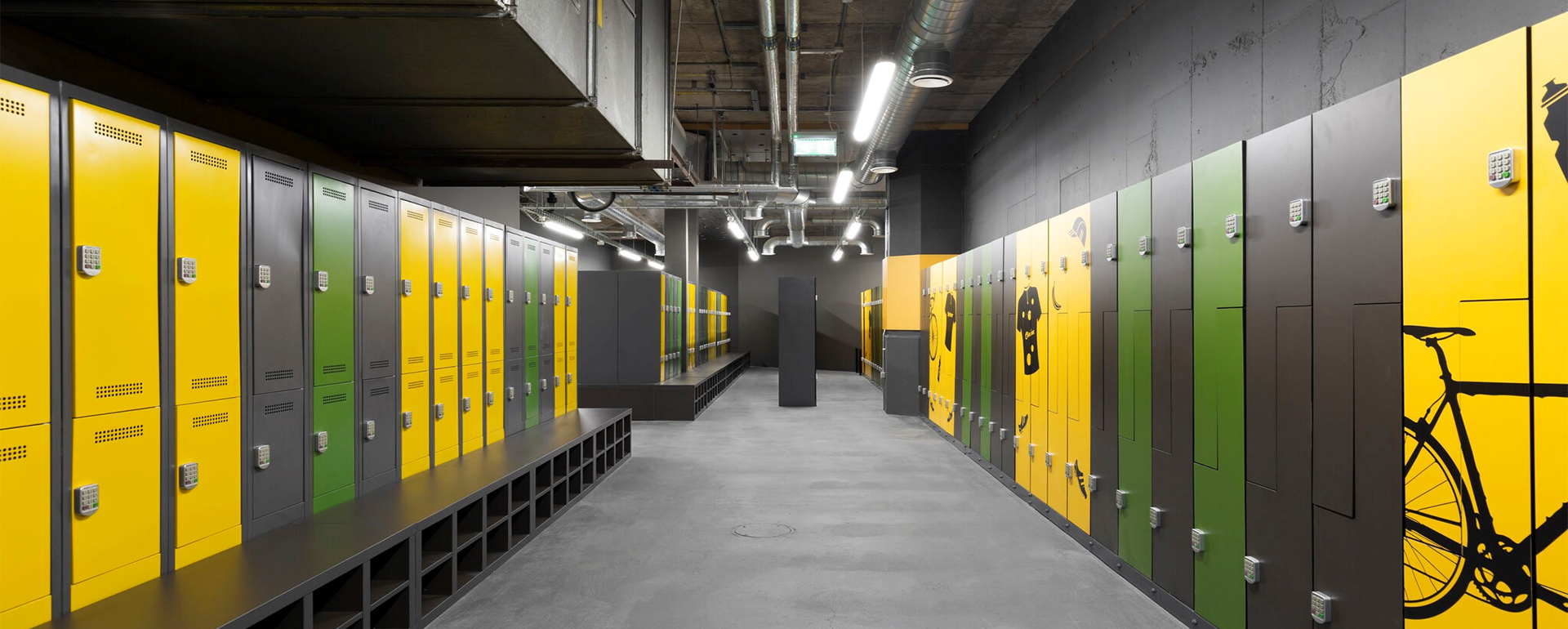
What Gauge Wire Mesh for Lockers?
Determining what gauge wire mesh for lockers is the most critical decision for facility longevity. In our experience, procurement officers often confuse gauge numbers, leading to costly security vulnerabilities. Standard wire mesh for industrial use usually falls between 10-gauge and 13-gauge steel. Selecting the wrong thickness can result in mesh that is easily bypassed by standard hand tools.
This guide provides the technical data you need to specify the correct mesh for your project. We will explore the relationship between gauge and tensile strength. We will also examine how different gauges impact fire safety compliance. As security mesh locker manufacturers, we focus on precision engineering to match your facility's specific threat level.
Understanding Steel Gauge: Why a Lower Number Means More Security
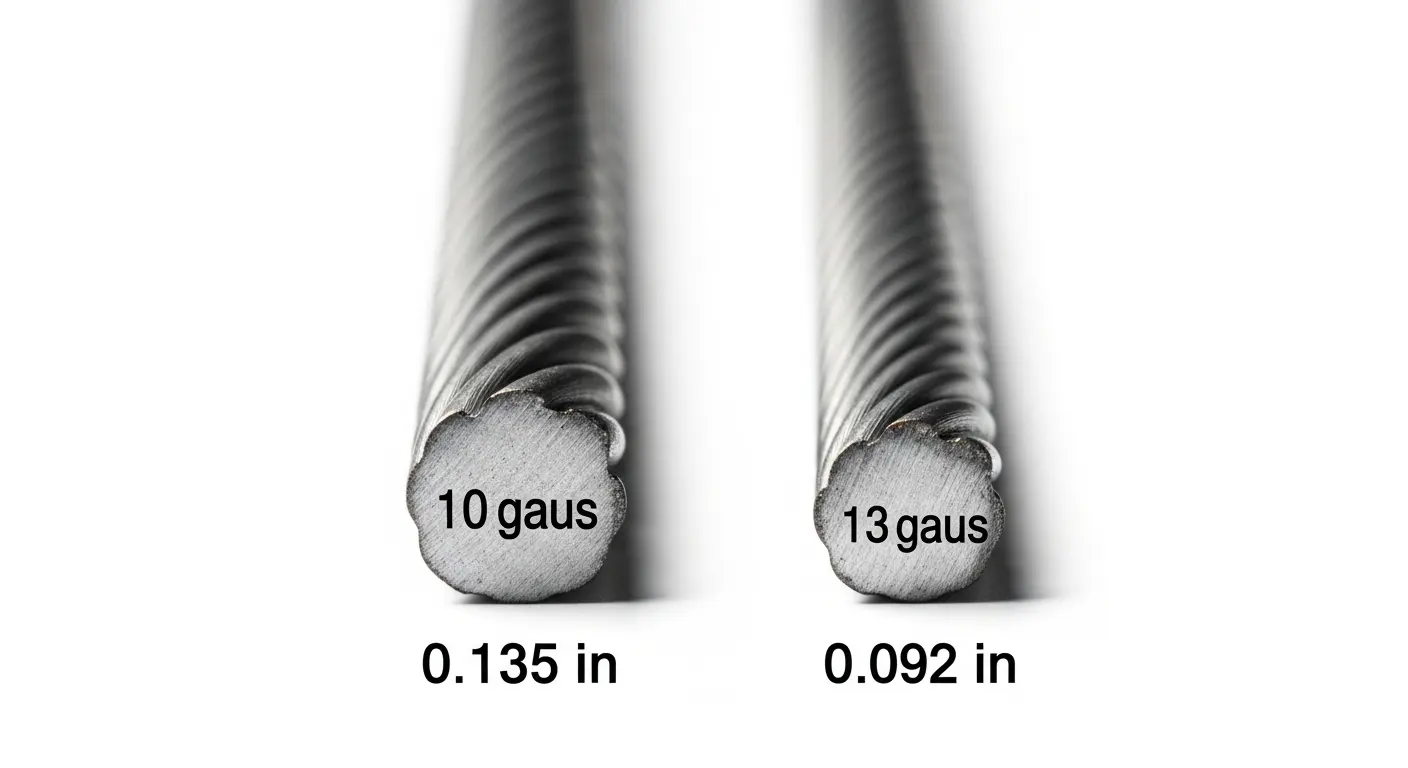
The steel gauge system is often counterintuitive for new facility managers. In this system, a lower gauge number indicates a thicker wire. Consequently, a 10-gauge wire is significantly stronger than a 13-gauge wire. This thickness is measured in decimal inches or millimeters according to the U.S. Standard Gauge for Sheet and Plate Iron and Steel.
The Science of Wire Thickness
A 10-gauge wire has a thickness of approximately 0.1350 inches. Meanwhile, a 13-gauge wire measures roughly 0.0897 inches. This 50% difference in thickness drastically alters the material's structural integrity. Based on AISI (American Iron and Steel Institute) standards, thicker wire provides superior resistance to mechanical shearing. It also offers better protection against localized impact.
Tensile Strength and Material Density
Thicker wire mesh also typically offers higher tensile strength. This means it can withstand more pulling force before the welds break. For industrial metal lockers, high tensile strength prevents panels from bowing. Furthermore, a denser mesh remains rigid during daily use in high-traffic warehouses. This rigidity is essential for maintaining the alignment of locker doors over several years.
What is the standard wire gauge for industrial lockers?
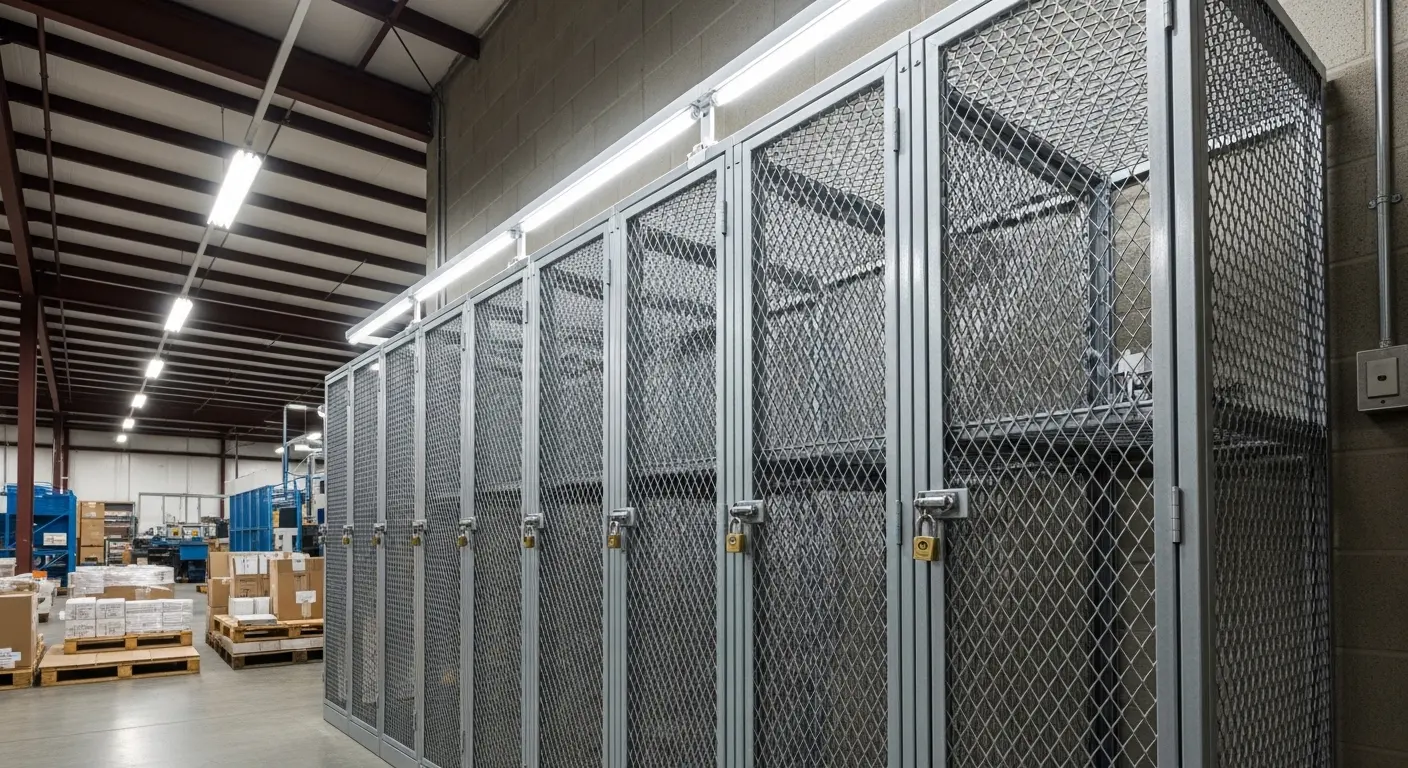
The standard for high-security industrial and warehouse lockers is 10-gauge welded wire mesh. This specification provides the necessary brute strength for tenant storage and high-value equipment enclosures. In our experience, 10-gauge steel is the "sweet spot" for balancing cost and cut-resistance.
Heavy-Duty Application Standards
Most industrial facilities require 10-gauge wire to deter theft effectively. Standard bolt cutters can easily snap 14-gauge or 16-gauge mesh. However, 10-gauge wire requires heavy-duty industrial cutting tools to penetrate. This makes it the preferred choice for personal locker systems in high-risk environments. Many apartment complexes also mandate 10-gauge mesh for tenant storage areas to meet insurance requirements.
Welded vs. Woven Wire Mesh
In industrial settings, welded wire mesh is usually superior to woven mesh. In welded systems, every wire intersection is fused together. This creates a monolithic panel that cannot unravel if one wire is cut. Additionally, welded mesh maintains its shape better than woven wire. This is particularly important for ventilation lockers that undergo frequent opening and closing.
Aperture Size and Visual Audits
Standard 10-gauge industrial lockers typically feature a 2" x 2" square aperture. This opening size allows for 100% visibility of the locker's contents. According to Loss Prevention Magazine, visual transparency is a major deterrent for internal theft. Security personnel can perform quick visual audits without needing to open the locker doors. This saves significant time during daily facility inspections.
10-Gauge vs. 13-Gauge Wire Mesh: Which Do You Need?
Choosing between 10-gauge and 13-gauge wire mesh depends on your environment's specific needs. Use 10-gauge for high-security areas like tenant storage or warehouse tool rooms. Select 13-gauge for standard-duty areas such as schools or fitness centers. This distinction ensures you do not overspend on materials that exceed your security requirements.
Use Case: Warehouses and Tenant Storage
In warehouses, lockers often store valuable inventory or specialized machinery. Therefore, the higher impact resistance of 10-gauge mesh is necessary. It protects against accidental collisions with pallet jacks or carts. Apartment tenant storage also benefits from 10-gauge thickness. It provides residents with peace of mind regarding their personal belongings. This gauge is often cited in ASTM International standards for high-security partitions.
Use Case: Schools and Gymnasiums
School hallways and gymnasiums are high-traffic but lower-risk environments. In these spaces, mesh lockers for schools often utilize 13-gauge wire. This gauge provides excellent ventilation for damp clothes or gym bags. Furthermore, 13-gauge wire is lighter, making the lockers easier to install in long rows. It remains strong enough to resist typical student use without the added weight of industrial-grade steel.
Technical Specification Comparison Table
The following table summarizes the technical differences between these common gauges.
| Specification | 10-Gauge | 13-Gauge |
| Approximate Thickness | 0.1350 Inches | 0.0897 Inches |
| Primary Use | Warehouse / High Security | Gyms / Schools |
| Cut Resistance | High (Requires Industrial Tools) | Moderate (Standard Cutters) |
| Visibility | Excellent | Excellent |
| Internal Link | Pillar: Security Mesh | Schools & Gyms |
Why Gauge Thickness Affects Fire Safety and Ventilation
Wire gauge thickness directly impacts a facility's fire safety compliance. Specifically, the aperture size created by the mesh influences sprinkler water penetration. Most industrial facilities must comply with NFPA 13 standards for fire suppression. Proper mesh specifications ensure that water can reach the interior of the locker during a fire event.
Sprinkler Penetration and NFPA 13
The NFPA 13 standard requires that storage units do not block overhead sprinkler spray. Solid-top lockers often fail this requirement in high-density storage zones. However, wire mesh lockers allow water to pass through the top and sides. Thicker 10-gauge wire with 2" apertures provides a robust frame that still allows for 70% or more open area. This ensures that fire suppression systems remain effective throughout the facility.
Ventilation and Airflow Efficiency
Gauge also plays a role in airflow. In aquatic centers or humid gyms, antibacterial easy-clean lockers need constant air exchange. While 13-gauge mesh is thinner, it provides slightly more open space per square foot than 10-gauge wire. This increased airflow helps dry damp items faster. Consequently, it prevents the buildup of mold and unpleasant odors in locker rooms.
Managing Heat Dissipation
In some technical facilities, lockers are used to store server equipment or electronics. Thicker wire mesh acts as a heat sink but can also slightly restrict airflow if the apertures are too small. We recommend using 10-gauge wire for these applications to ensure the units remain structurally sound under heat stress. Properly specified mesh prevents electronics from overheating by allowing natural convection currents to move through the enclosure.
How to verify the gauge of your lockers before purchase
Verifying the gauge is essential because some suppliers may use deceptive marketing. For instance, a supplier might quote the gauge of the frame rather than the mesh itself. You must ensure that the wire mesh meets your specific thickness requirements. In our experience, conducting a physical verification is the only way to guarantee quality.
Using a Digital Caliper
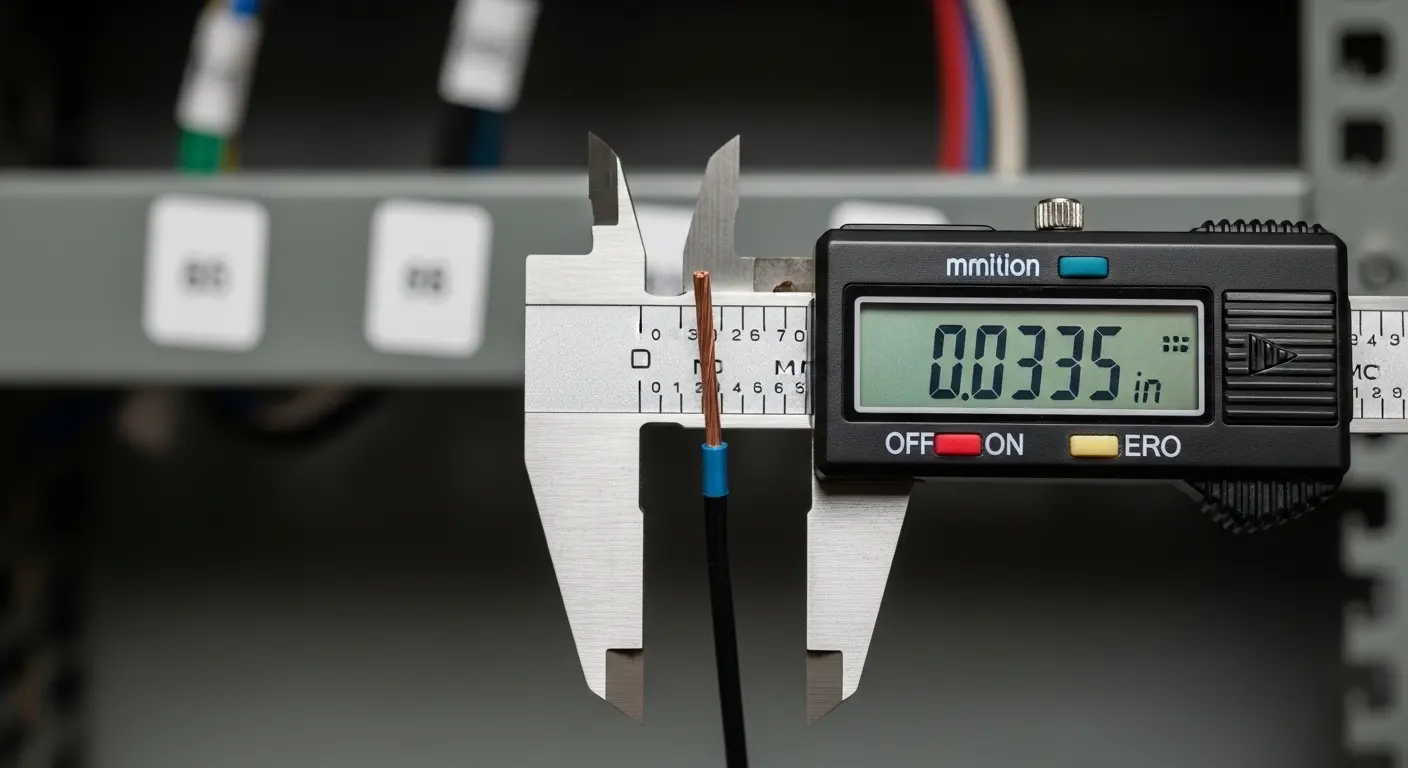
The most accurate way to verify wire thickness is by using a digital caliper. Measure the diameter of several different wires in the panel. Ensure you are measuring the "raw" wire thickness. Many manufacturers use a thick powder coating to make a thinner wire appear more substantial. According to our test data, a heavy coating can add up to 0.03 inches to the total measurement.
Identifying Powder Coating Deception
Some low-cost suppliers may sell 13-gauge mesh as "12-gauge" by over-applying paint. To detect this, look at the intersections of the wires. If the paint is excessively thick or clumpy at the welds, the wire underneath may be thinner than specified. High-quality security mesh lockers feature a uniform, thin powder coat. This protects the steel without masking the true gauge of the material.
Requesting a Mill Test Report
When placing a large B2B order, always request a Mill Test Report (MTR). This document proves the chemical and physical properties of the steel. It will confirm the exact gauge and grade of the wire used in production. Legitimate manufacturers will provide this report to show compliance with ASTM standards. This verification step is vital for government or high-security commercial contracts.
Material Science: Tensile Strength and Welded vs. Woven Construction
The material science behind wire mesh determines how it performs under stress. Most locker mesh is made from cold-rolled steel. This process increases the yield strength of the metal compared to hot-rolled alternatives. Furthermore, the construction method—either welded or woven—changes the security profile of the unit.
The Superiority of Welded Wire Mesh
Welded wire mesh is created by crossing wires at right angles and resistance-welding them. This creates a permanent bond that is extremely difficult to separate. If a single wire is cut, the rest of the panel remains intact. This feature is crucial for high-security tenant storage lockers. It prevents thieves from unraveling the mesh to gain entry.
Woven Wire Mesh Characteristics
Woven wire mesh is created by weaving vertical and horizontal wires over and under each other. While it has a traditional aesthetic, it is generally less rigid than welded mesh. If a wire is cut, the tension in the weave may cause the panel to lose its shape. Consequently, woven mesh is rarely used for modern industrial lockers. Most facility managers now prefer the structural stability of welded 10-gauge panels.
Cold-Rolled vs. Galvanized Steel
The finish of the wire also matters for longevity. Galvanized steel is dipped in zinc to prevent rust. This is ideal for outdoor or high-moisture areas. Cold-rolled steel is usually finished with a polyester powder coating. This coating provides a wide range of colors while offering excellent scratch resistance. For school gym lockers, powder-coated cold-rolled steel is the industry standard.
Application-Specific Recommendations: Matching Gauge to Industry
Not every facility needs the thickest possible mesh. Matching the gauge to your specific industry helps you optimize your budget. We categorize locker needs into three primary tiers: High Security, Standard Commercial, and Light Duty.
High-Security Tier (10-Gauge)
This tier includes military installations, evidence storage, and warehouse inventory rooms. These environments require the maximum possible resistance to tampering. We always recommend 10-gauge welded wire for these projects. It ensures that the mesh can withstand aggressive attempts at forced entry. Furthermore, it supports the weight of heavy-duty locks and hardware without deforming.
Standard Commercial Tier (12-Gauge to 13-Gauge)
This tier covers apartment tenant storage and retail backrooms. Here, the threat level is moderate. A 12-gauge or 13-gauge mesh provides a significant deterrent without the cost of heavy industrial steel. These lockers provide a professional look and feel for residential settings. They are often used in personal storage applications where visibility is the main requirement.
Light-Duty Tier (14-Gauge and Thinner)
Light-duty mesh is generally unsuitable for security lockers. It is mostly used for decorative partitions or light-duty shelving. In our experience, using 14-gauge or thinner for lockers leads to frequent maintenance. The mesh can dent easily or even be pulled apart by hand. We suggest avoiding these thinner gauges for any application involving valuable property.
How Gauge Impacts Long-Term Maintenance Costs
The initial price of a locker is only one part of the total cost of ownership. Thinner gauge mesh often results in higher maintenance costs over time. Units that dent easily require frequent repair or replacement. Choosing a thicker gauge can lead to significant long-term savings for your facility.
Resistance to Dents and Deformation
In a busy warehouse, lockers are frequently bumped by equipment or heavy boxes. A 10-gauge mesh panel is rigid enough to absorb these impacts without permanent damage. Conversely, a 13-gauge or 14-gauge panel may dent or bow inward. Over time, these dents can interfere with door latches. This leads to frustrated employees and a disorganized appearance.
Hardware Stress and Hinge Longevity
Thicker wire provides a more stable anchor point for hinges and lock hasps. When you use 10-gauge wire, the hinges are less likely to sag or pull away from the frame. This ensures that the door remains perfectly aligned. Proper alignment prevents the latch from rubbing against the frame. Consequently, your locking mechanisms will last much longer before needing replacement.
Re-sale and Re-configuration Value
High-quality industrial lockers retain their value much better than light-duty units. If your facility needs to reconfigure its layout, 10-gauge lockers can be disassembled and moved without warping. Thinner units are often damaged during the relocation process. By investing in heavy-duty mesh, you are protecting the future flexibility of your storage infrastructure.
FAQ Section
What is the standard gauge for metal lockers?
The standard gauge for metal lockers varies by type. For solid metal lockers, 16-gauge or 24-gauge steel is common. However, for wire mesh lockers, the standard is usually 10-gauge for industrial use or 13-gauge for schools. Thicker wire (lower gauge) is required for mesh to provide the same security as solid steel.
What does 10 gauge wire mesh mean?
10 gauge wire mesh refers to a steel wire that is approximately 0.135 inches thick. This measurement follows the U.S. Standard Gauge system. In this system, lower numbers represent thicker materials. 10 gauge is considered heavy-duty and is widely used for high-security warehouse and tenant storage lockers.
Is 12 gauge thicker than 14 gauge wire?
Yes, 12 gauge wire is thicker than 14 gauge wire. In the wire gauge system, the thickness increases as the gauge number decreases. A 12-gauge wire is approximately 0.104 inches thick. A 14-gauge wire is only about 0.080 inches thick. Therefore, 12-gauge mesh is stronger and more secure.
Is welded mesh stronger than woven mesh at the same gauge?
Welded mesh is generally stronger for locker applications because the intersections are fused together. This prevents the wires from shifting or being pulled apart individually. Woven mesh relies on tension, which can loosen if a single wire is cut. Most modern industrial lockers use welded wire for superior structural integrity.
Does the gauge affect the price significantly?
Yes, gauge thickness has a direct impact on material costs. Thicker 10-gauge steel requires more raw material and more energy to weld. However, the increased durability often reduces the total cost of ownership over ten years. We recommend 10-gauge for high-security needs despite the higher initial investment.
Conclusion
Selecting the right gauge for your wire mesh lockers is a balance of security, fire safety, and budget. For most industrial environments, 10-gauge welded wire mesh is the gold standard for protection and longevity. In lighter environments like schools, 13-gauge provides sufficient ventilation and strength. Remember to verify the raw wire thickness with calipers to ensure you are getting the quality you paid for.
Matching your gauge to the specific environment prevents both overspending and under-protecting. If you need a custom specification for your facility, explore our full range of metal lockers. Contact our engineering team today to receive a detailed quote and technical consultation for your next project.
