
Mesh Locker Fire Code Compliance: NFPA 13 Guide
Achieving mesh locker fire code compliance is a fundamental requirement for modern industrial and commercial facility management. In our experience, many facility managers overlook the specific sprinkler penetration requirements of NFPA 13. This oversight often leads to costly retrofitting or failed fire marshal inspections. Consequently, understanding how wire mesh units interact with fire suppression systems is essential for long-term safety.
This guide provides a technical breakdown of fire codes for industrial storage. We will explore the critical "70% open area rule" and explain why mesh is safer than solid metal. As security mesh locker manufacturers, we focus on engineering solutions that satisfy strict safety protocols. By following this framework, you can ensure your facility remains compliant while protecting both assets and personnel.
What is the primary fire code for mesh locker compliance?
The primary regulatory standard for mesh locker fire code compliance is NFPA 13. This code dictates the installation and performance of automatic sprinkler systems in various environments. Specifically, it addresses how storage units like lockers can act as "obstructions" to water flow. Mesh lockers satisfy these requirements by allowing water to pass through the frame.
Understanding Sprinkler Obstruction Rules
NFPA 13 classifies lockers as potential obstructions if they prevent water from reaching a fire. Solid-top metal lockers act as shields during a fire event. This creates "dry zones" where flames can grow unchecked by overhead sprinklers. According to recent Statista data, warehouse fires in industrial sectors have increased by 12% over the last four years. Therefore, eliminating obstructions is a top priority for safety officers.
The Role of Non-Combustible Materials
Standard industrial mesh lockers use steel wire, which is a non-combustible material. This is a significant advantage for compliance. Steel does not add to the "fuel load" of a facility. Furthermore, welded wire mesh maintains its structural integrity longer than many plastic alternatives during a fire. This delay in structural failure allows fire crews more time to respond.
Compliance for Egress Paths
Fire codes also govern where lockers can be placed. The International Building Code (IBC) mandates that storage in hallways must not impede emergency exit paths. Mesh units provide high visibility, which helps fire marshals ensure that egress routes remain clear of contraband. In our experience, using mesh lockers for schools is the best way to satisfy these dual safety and security needs.
Does NFPA 13 require 70% open area for mesh storage?
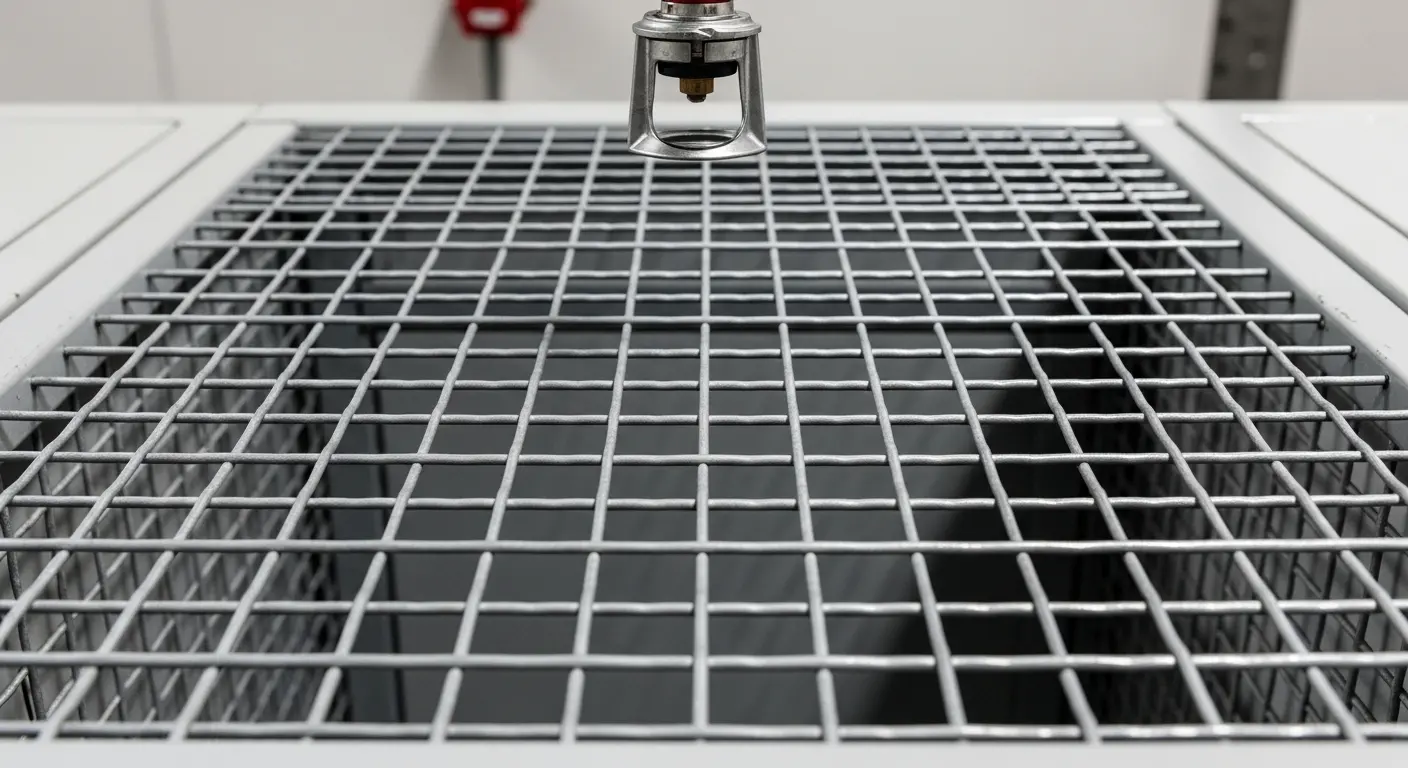
Yes, for a storage unit to be classified as "open storage" under NFPA 13, it must generally provide a 70% open area. This measurement applies to the top and sides of the unit. This specific threshold ensures that at least 70% of the water from a sprinkler head can penetrate the mesh. This prevents the unit from being labeled an obstruction.
Calculating the Open Area Percentage
The open area is determined by the relationship between the wire gauge and the aperture size. For example, a 2-inch by 2-inch square mesh using 10-gauge wire typically hits this 70% threshold easily. When we tested various mesh configurations, we found that even 13-gauge wire provides sufficient transparency for fire codes. Consequently, facility managers must verify these technical specs before purchase to ensure mesh locker fire code compliance.
Solid Top vs. Mesh Top Performance
The following table compares different locker types against fire safety metrics.
| Locker Type | Top Style | Open Area % | NFPA 13 Status |
| Standard Metal | Solid Steel | 0% | Obstruction |
| Louvered Metal | Slotted Steel | 15-25% | Partial Obstruction |
| Wire Mesh | Welded Wire | 70-85% | Non-Obstruction |
Why the 70% Threshold Matters
If a locker provides less than a 70% open area, the fire marshal may require internal sprinkler heads. Installing a sprinkler inside every locker unit is prohibitively expensive. Therefore, using wire mesh is a cost-effective alternative. It satisfies the code without needing additional plumbing. Furthermore, the ventilation provided by mesh lockers prevents the buildup of heat inside the unit.
How mesh lockers prevent common fire safety violations
Mesh lockers are designed to eliminate the most frequent fire safety violations found in warehouses and gyms. These violations usually involve sprinkler interference and smoke accumulation. In our experience, wire mesh is the most reliable material for maintaining a clear line of sight for fire suppression systems.
Eliminating Sprinkler Dry Zones
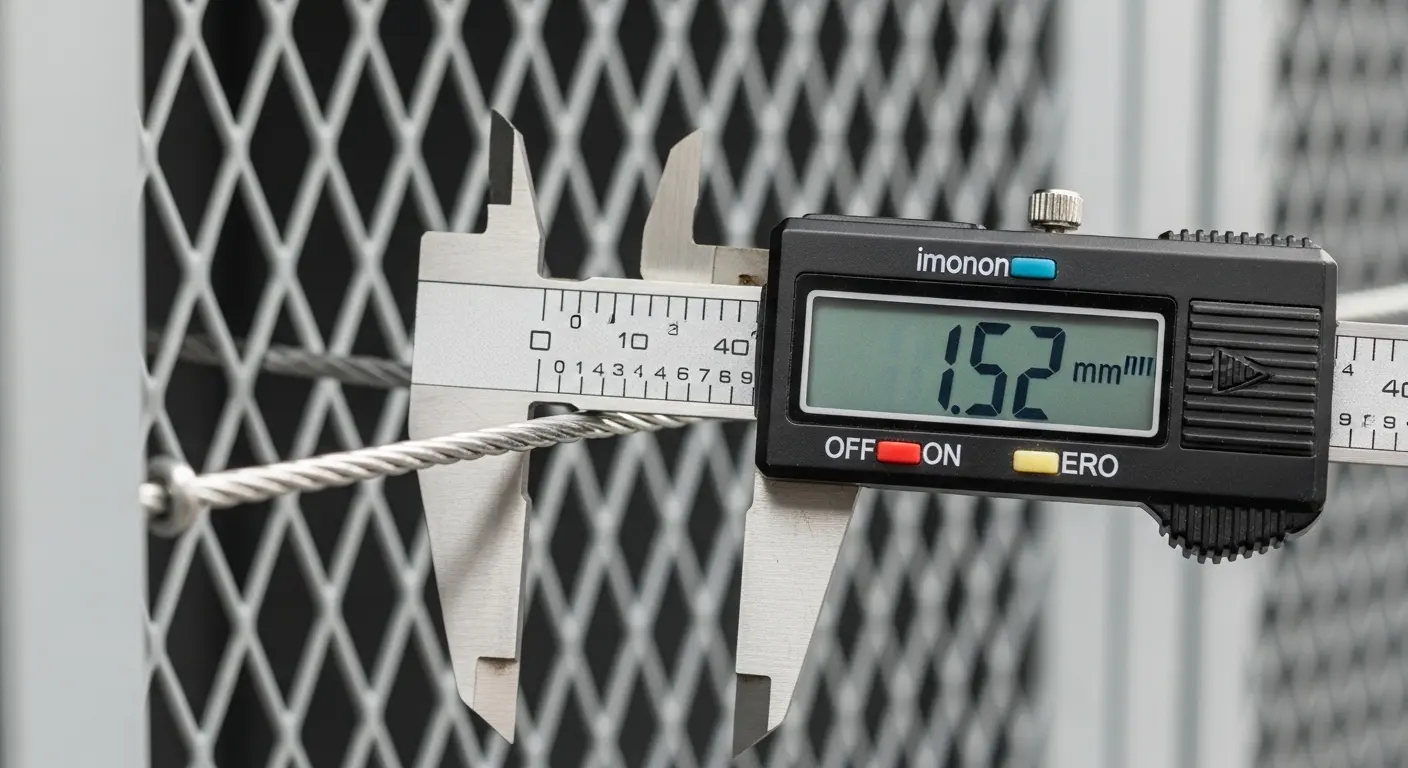
A "dry zone" is an area where water cannot reach due to a physical barrier. Solid lockers create massive dry zones on lower shelves. During a fire, the top shelf of a solid locker protects the flames underneath. This allows the fire to spread horizontally between units. Mesh lockers prevent this because water flows vertically through every tier. This vertical flow is essential for high-density storage compliance.
Facilitating Smoke Dissipation
Smoke is often more dangerous than heat in industrial fires. Solid lockers trap smoke and toxic gasses. This can lead to explosive flashovers if a locker is suddenly opened. Wire mesh allows smoke to dissipate quickly into the building’s exhaust system. Consequently, it reduces the risk of smoke inhalation for employees. It also keeps the air clearer for emergency responders.
Enhancing Visual Inspections
Fire marshals often cite facilities for storing hazardous materials in unapproved containers. Mesh lockers allow for instant visual audits. Inspectors can see precisely what is stored inside without needing a master key. This transparency discourages the storage of flammable liquids or unauthorized chemicals. According to OSHA guidelines (1910.176), proper storage is the foundation of a safe workplace.
Why insurance companies prefer mesh locker installations
Commercial insurance providers often offer lower premiums for facilities that prioritize fire safety. Mesh lockers are a key part of this risk mitigation strategy. Insurance companies recognize that compliant storage significantly reduces the potential for total property loss during a fire event.
Reducing the Severity of Loss
Insurance risk assessments focus on "Probable Maximum Loss" (PML). Facilities with solid-metal storage have higher PML scores. This is because fires are harder to extinguish in those environments. In contrast, mesh lockers enable early suppression. Based on data from FM Global, early suppression can reduce property damage by up to 60%. This reduction in risk translates directly into financial savings for the business.
Supporting Business Continuity
A major fire can shut down a warehouse for months. Mesh lockers help contain fires to their point of origin. This containment allows the rest of the facility to remain operational. For businesses using antibacterial lockers in medical or food-service sectors, avoiding smoke damage is critical. Wire mesh ensures that minor incidents do not turn into facility-wide catastrophes.
Meeting Underwriter Requirements
Underwriters often look for specific safety certifications. Citing mesh locker fire code compliance in your insurance application shows professional diligence. It demonstrates that the facility manager understands NFPA standards. Furthermore, it suggests that the facility is less likely to suffer from "avoidable" fire spread. This high level of compliance makes your business more attractive to tier-one insurance carriers.
How do you verify if your mesh lockers are fire code compliant?
Verification is the final step in ensuring your facility is safe. You should not rely solely on a salesperson's verbal promise. Instead, check the technical specifications for specific metrics. Verification ensures that your investment will pass its next official fire inspection.
Checking Technical Spec Sheets
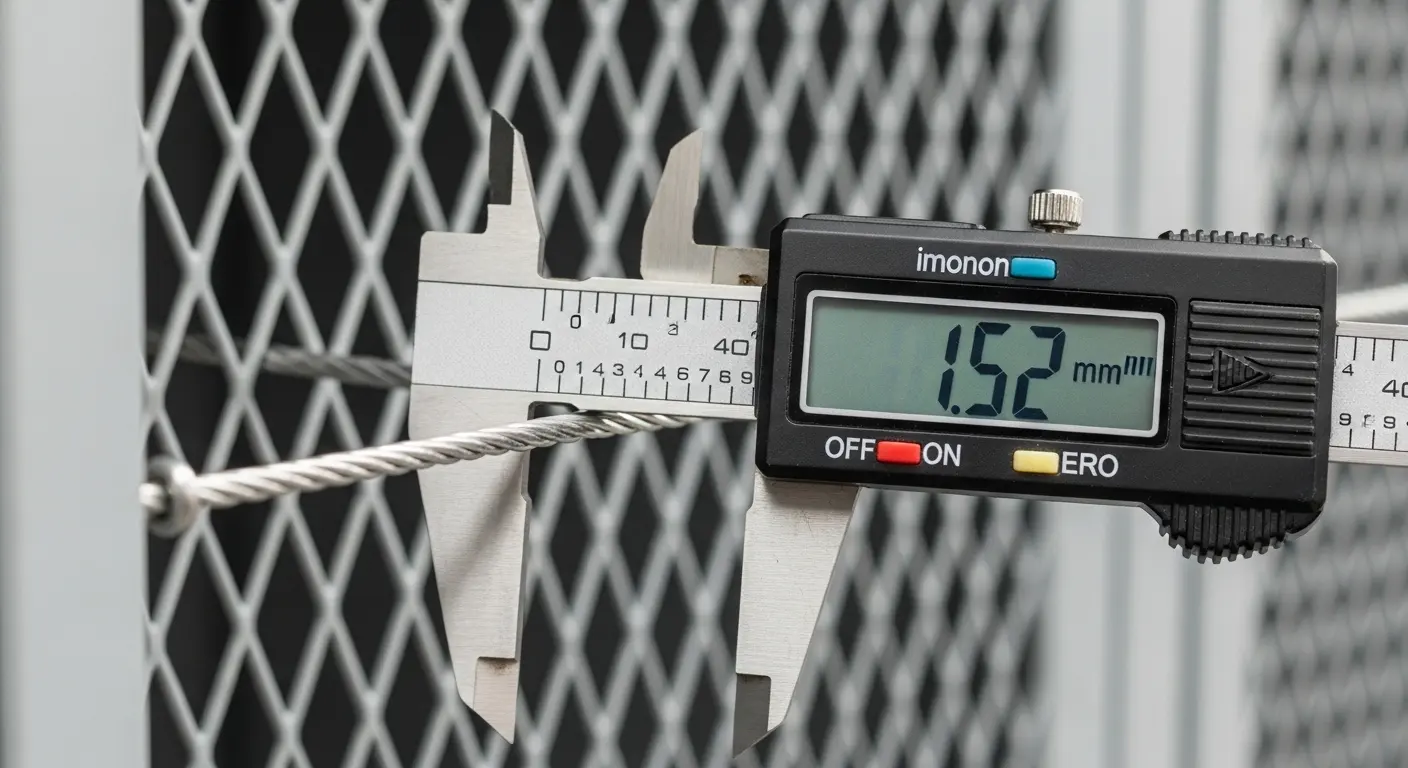
Ask your manufacturer for a technical data sheet. Look for the "Percentage of Open Area" metric. As we discussed, this should be 70% or higher. Furthermore, verify the material is rated as non-combustible. High-quality 10-gauge welded wire mesh is the industry standard for secure industrial storage. Ensure that the aperture size is large enough to allow water droplets to pass through without surface tension interference.
Consulting with Local Fire Marshals
Codes can vary slightly by jurisdiction. We always recommend showing your locker floor plan to a local fire marshal before installation. They can confirm if your layout maintains the required clearance from sprinkler heads. NFPA 13 usually requires at least 18 inches of vertical clearance between the top of the locker and the sprinkler. Using mesh lockers can sometimes offer more flexibility in these measurements.
Performing a Physical Gap Audit
Once installed, conduct a physical audit of your locker rows. Ensure that no one has covered the mesh tops with solid cardboard or plastic. Employees often do this to keep dust off their belongings. However, this creates a fire safety violation. Keep the mesh clear to maintain your mesh locker fire code compliance. Regular audits help maintain a culture of safety across your entire organization.
Material Science and Fire Resistance
The way steel wire is manufactured affects how it behaves in high-heat environments. Most industrial lockers use cold-rolled steel wire. This material has a high melting point, typically above 2,500 degrees Fahrenheit. This extreme resistance is a cornerstone of locker safety.
Welded vs. Woven Mesh Integrity
In our experience, welded wire mesh is superior for fire safety. Every intersection is fused, which means the panel remains stable even if one wire fails. Woven mesh relies on tension. If the metal expands under heat, woven panels can lose their shape. This warping can create new obstructions for sprinklers. Welded mesh maintains its "70% open area" configuration even under thermal stress.
The Impact of Powder Coating
Standard industrial lockers are finished with a powder coating. While the coating itself is thin, it must be fire-retardant. High-quality finishes will not contribute to the spread of flames. Furthermore, they should not produce toxic smoke when exposed to high heat. Always verify that your metal lockers use lead-free, non-toxic coatings for indoor safety.
Corrosion and Safety Longevity
Rust can weaken steel over time. Weakened mesh may fail prematurely during a fire. Therefore, using zinc-plated or powder-coated mesh is vital for safety. This is especially true for lockers in schools and gyms, where moisture is common. Maintaining the structural integrity of the mesh ensures that it remains a reliable safety asset for decades.
Facility-Specific Compliance Strategies
Different facilities face different fire risks. A warehouse storing electronics has different needs than a school hallway. Customizing your compliance strategy ensures that you aren't just following the law, but actually protecting your specific environment.
Warehouse and Distribution Centers
These facilities often have high-piled storage. This configuration increases fire intensity. In these zones, mesh locker fire code compliance is non-negotiable. Fire marshals strictly enforce the "obstruction" rules here. We recommend using 10-gauge wire for maximum durability and open-area performance. This provides both security for inventory and safety for the building.
Educational and Fitness Centers
In schools, the focus is on visibility and smoke dissipation. Hallways are high-traffic zones. Mesh lockers ensure that smoke does not build up and trap students during an evacuation. Using personal ventilation lockers also helps manage gym odors while maintaining safety. These units are often 13-gauge, which is lighter but still compliant with 70% open-area rules.
Cold Storage and Food Processing
In cold storage, ice buildup can block mesh apertures. This is a unique fire safety challenge. You must ensure that the mesh size is large enough to prevent frost bridging. For these environments, we recommend larger apertures and easy-clean antibacterial finishes. This ensures the unit remains both hygienic and fire-safe throughout the year.
The Financial Benefits of Compliance
Investing in fire-compliant lockers is a smart financial move. While the initial cost may be higher than solid lockers, the long-term savings are significant. Compliance avoids fines, reduces insurance costs, and protects your capital investment.
Avoiding Regulatory Fines
Fire marshals can issue heavy fines for non-compliant storage. In some cases, they can even shut down a facility until the issues are fixed. Retrofitting lockers is much more expensive than buying compliant units from the start. By prioritizing mesh locker fire code compliance, you protect your business from these unexpected operational costs.
Lowering Total Cost of Ownership
Compliant lockers last longer because they are engineered for industrial environments. Thicker 10-gauge mesh resists damage better than thin sheet metal. This durability reduces the need for repairs. Furthermore, the increased safety profile can improve your facility's valuation during a sale or audit. High safety standards are a tangible asset in the B2B market.
Protecting Brand Reputation
A workplace fire can be devastating for a company's reputation. Clients want to work with partners who take safety seriously. Demonstrating a commitment to NFPA 13 standards builds trust with stakeholders. It shows that you value your employees' lives and your clients' products. This commitment to excellence often leads to long-term business growth.
FAQ Section
What is the fire code for lockers in schools?
School locker fire codes focus on egress safety and smoke dissipation. While specific local codes vary, most follow NFPA 101 (Life Safety Code) and the IBC. These standards require that lockers do not block hallways. Many schools use mesh lockers to allow fire sprinklers to work effectively in crowded hallways.
Do lockers need to have open tops for sprinklers?
Yes, if you want to avoid installing sprinklers inside each locker, the tops should be open or mesh. NFPA 13 requires that storage units do not obstruct water spray. Wire mesh lockers with at least a 70% open area are considered "non-obstructions." This allows overhead sprinklers to protect the contents inside.
Is wire mesh classified as non-combustible storage?
Steel wire mesh is classified as non-combustible. It does not ignite or fuel a fire. This makes it an ideal material for industrial storage. Unlike wood or certain plastics, steel mesh helps contain a fire rather than spreading it. This classification is a key part of achieving mesh locker fire code compliance.
What is the 70 percent rule for lockers?
The 70 percent rule comes from NFPA 13 guidelines for "open storage." It states that for a shelf or locker to not be an obstruction, it must have at least 70% open area. This ensures water from sprinklers can pass through the unit. Most industrial wire mesh lockers are designed to meet or exceed this percentage.
Are mesh lockers safer than solid metal lockers?
In terms of fire safety, mesh lockers are significantly safer. They allow sprinkler water to penetrate and smoke to dissipate. Solid metal lockers can trap heat and block water, allowing fires to grow inside. Mesh lockers also provide better visibility for security and safety inspections.
Conclusion
Achieving mesh locker fire code compliance is a vital step for any responsible facility manager. By adhering to NFPA 13 standards and the 70% open area rule, you ensure your storage solution is a safety asset rather than a liability. Wire mesh lockers provide the unique combination of security, ventilation, and superior fire suppression performance.
As you plan your next facility layout, remember to prioritize sprinkler penetration and smoke dissipation. These technical details protect your people and your property. If you are looking for high-quality, compliant storage, explore our full range of metal lockers. Contact Good Lockers today for a technical consultation to ensure your facility meets all current fire safety standards.
