
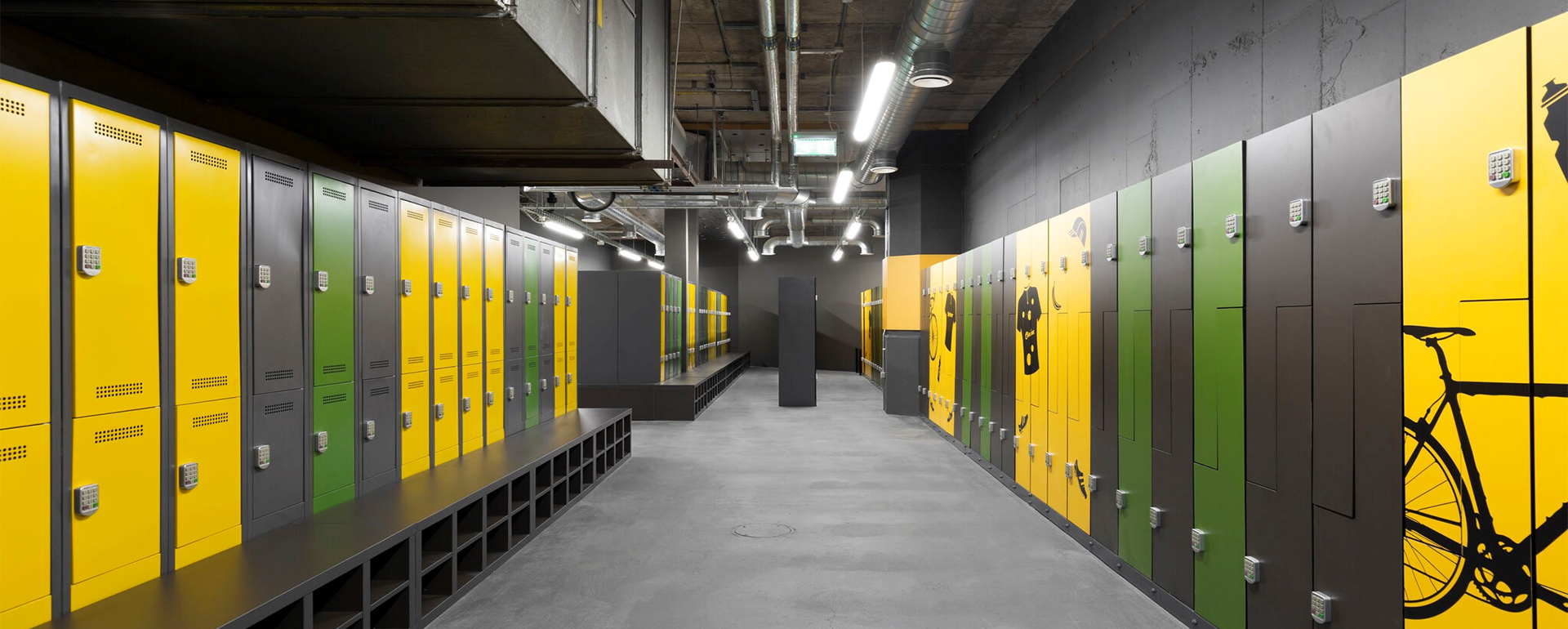
Factory Workplace Phone Lockers for Employee Storage
GoodLockers manufactures factory workplace phone lockers for industrial facilities that need organized employee phone storage near entrances, shift-change areas, production zones, locker rooms, and security checkpoints. Buyers can request custom compartment layouts, steel or metal construction, lock options, mounting styles, colors, numbering, charging options, and bulk project configurations based on facility requirements.
For factories, phone lockers are not just small storage cabinets. They help plant managers, facility teams, HR departments, and security staff control where personal devices are stored before employees enter work areas. A well-planned locker setup can support phone-control policies, protect personal belongings, reduce clutter around entrances, and keep shift movement more organized.
GoodLockers supplies custom and bulk locker solutions for commercial, industrial, institutional, and project buyers. If your factory needs employee phone lockers for one entrance, multiple departments, or a full-site rollout, our team can help you define the right compartment count, material, lock type, and installation style before you request a quote.
Employee Phone Storage for Factory and Industrial Workplaces
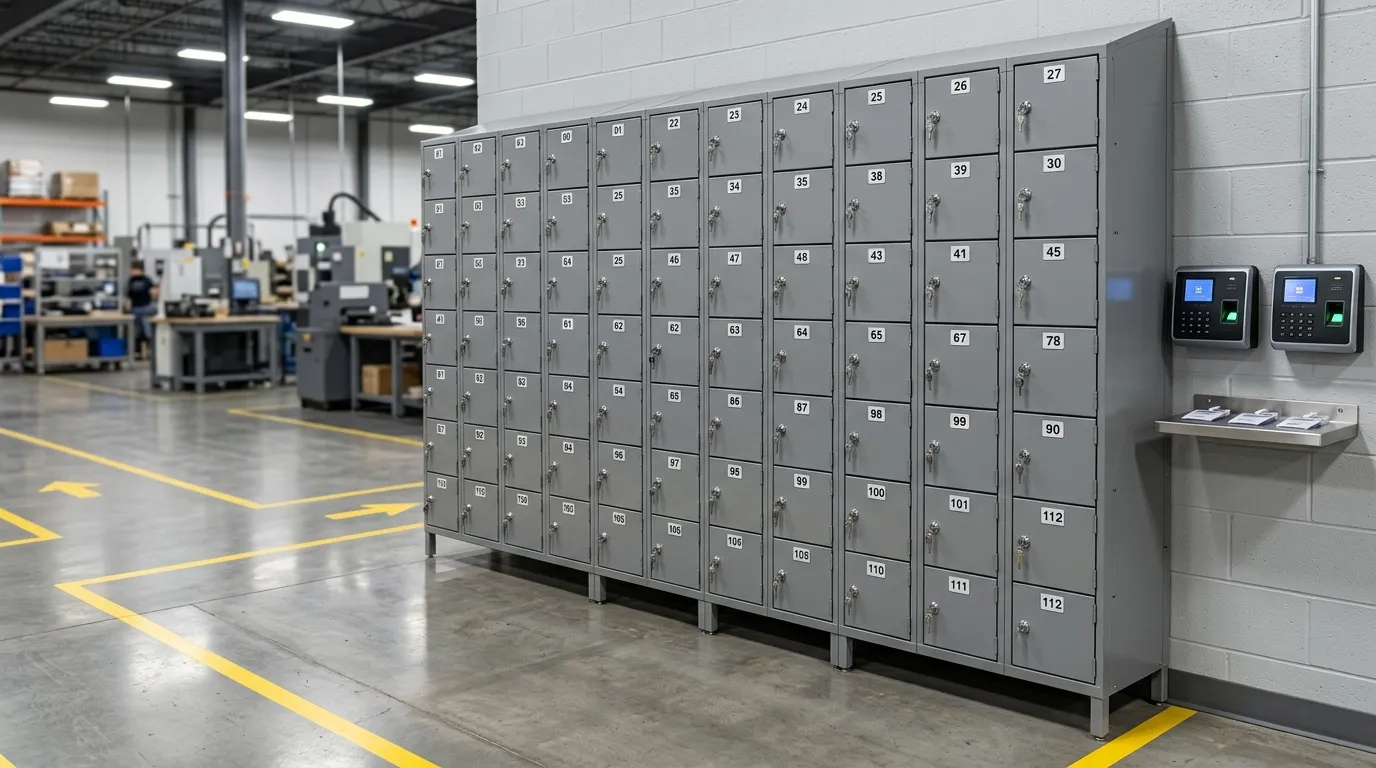
Factories often need a clear place for employees to store phones before they enter production floors, warehouses, clean areas, machine zones, or restricted departments. A dedicated phone locker area gives employees an assigned or shared compartment instead of leaving phones in bags, desks, pockets, or unsecured break areas.
Factory workplace phone lockers are commonly used in:
- Employee entrances and time-clock areas
- Security checkpoints and guard stations
- Production floor access points
- Locker rooms and changing areas
- Break rooms and staff welfare areas
- Warehouses, assembly plants, and manufacturing sites
- Restricted departments where phones are not allowed
- Visitor and contractor check-in points
The right solution depends on how your workplace handles shifts, employee flow, supervision, and access control. A small office-style phone cabinet may work for a limited team, but factories usually need stronger planning around capacity, durability, and lock management.
Where Should Factory Phone Lockers Be Installed?
Placement is one of the most important decisions in a factory phone locker project. Lockers should be close enough to the point of control so employees can use them before entering work areas, but they should not block corridors, doors, time clocks, or shift traffic.
Common placement options include entrance walls, staff locker rooms, reception or security desks, break zones, and department-specific access points. For larger facilities, multiple smaller locker banks may work better than one large central unit because they reduce crowding during shift changes.
When planning installation, buyers should consider:
- Number of employees arriving at the same time
- Width of the entrance or corridor
- Whether lockers need wall mounting or floor standing
- Staff supervision or security visibility
- Whether the lockers will be used by employees, visitors, or contractors
- Whether phones must be stored before entering a specific zone
- Whether the area has power access for charging lockers
A factory entrance with high shift traffic may need a larger freestanding or floor-standing unit. A department access point may only need a compact wall-mounted phone locker for controlled storage before entry.
How Many Phone Locker Compartments Does a Factory Need?
Compartment count should be planned around peak use, not just total headcount. A factory with multiple shifts may not need one compartment for every employee if lockers are shared by shift, but the layout must account for shift overlap, visitors, supervisors, and future growth.
For example, a site with 80 employees may need more than 80 compartments if two shifts overlap at the entrance. A smaller department may need fewer compartments if only specific employees enter a phone-restricted zone. The best approach is to calculate the maximum number of users who may need storage at the same time.
Before choosing a layout, define:
- Employees per shift
- Shift overlap periods
- Number of departments or entrances
- Visitor and contractor storage needs
- Assigned-use or shared-use compartments
- Whether employees store only phones or phones plus small items
- Extra capacity for future hiring or seasonal production
GoodLockers can support custom compartment planning for bulk and project orders, helping buyers specify a layout that fits real factory use instead of forcing a standard cabinet into the space.
Factory Phone Locker Configuration Guide
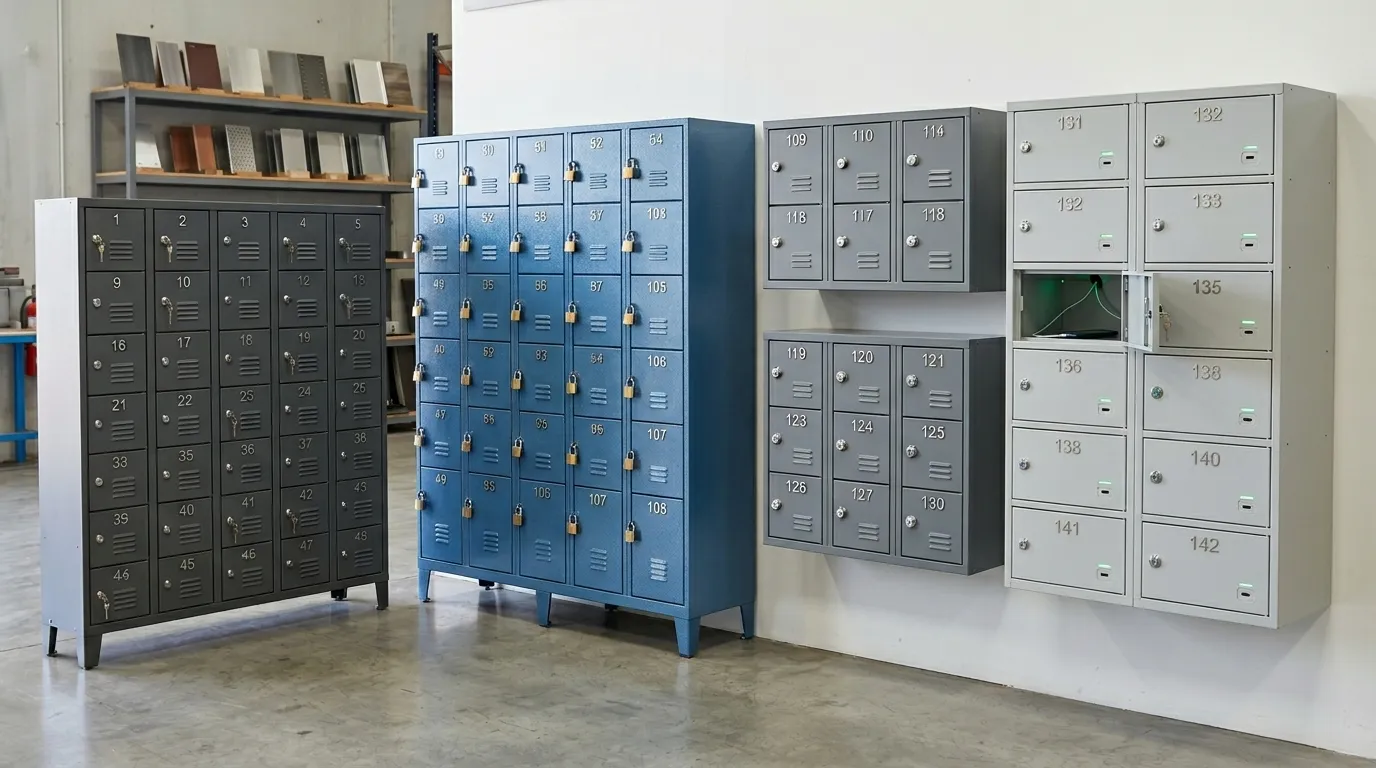
| Factory area or use case | Recommended locker configuration | Lock option to consider | Storage or charging | Buyer decision point |
|---|---|---|---|---|
| Main employee entrance | High-compartment locker bank | Key lock, padlock hasp, or digital lock | Usually storage-only | Plan around peak shift overlap |
| Production-zone access point | Compact wall-mounted or floor-standing unit | Supervisor-managed key or master access | Storage-only | Supports phone-restricted areas |
| Staff locker room | Freestanding or floor-standing unit | Assigned key or combination lock | Storage-only or charging | Works with broader employee storage |
| Break room | Wall-mounted or compact freestanding unit | Key, combination, or digital lock | Optional charging | Useful when phones are allowed only during breaks |
| Visitor or contractor check-in | Small compartment unit near reception/security | Staff-controlled key access | Storage-only | Helps manage temporary users |
| Multi-department factory | Custom locker banks by department | Standardized lock system | Based on site policy | Supports bulk project consistency |
Lock Options for Employee Phone Control
Factories usually need lock systems that are simple, reliable, and easy for supervisors or facility staff to manage. The best lock type depends on whether compartments are assigned to individual employees or shared by different users across shifts.
Common lock and access options include:
- Key locks for assigned employee compartments
- Padlock hasps for facilities that want employees to use their own padlocks
- Combination locks for shared use without physical key handling
- Digital locks for managed access in higher-traffic areas
- RFID or card-based options where electronic access is preferred
- Master access for supervisors, security teams, or facility managers when required
For factories with strict phone-control policies, master access and clear key management may be important. For facilities that need stronger access planning, GoodLockers’ high-security cell phone lockers page may also be useful.
Steel and Metal Construction for Industrial Use
Factory phone lockers should be built for frequent daily use. Employees may access compartments at every shift change, break period, or production-zone entry, so lightweight storage cabinets may not provide the durability needed for industrial environments.
GoodLockers can support material and construction options based on the project requirements. Buyers commonly consider steel or metal construction, durable finishes, reinforced doors, ventilation where needed, and easy-to-clean surfaces. Powder-coated finishes, custom colors, and door numbering can also help the locker area look organized and match facility requirements.
When specifying construction, consider:
- Frequency of daily use
- Indoor factory conditions
- Potential exposure to dust, moisture, or heavy traffic
- Required finish or color
- Whether doors need numbering or labels
- Whether the locker will be wall-mounted, freestanding, or floor-standing
- Whether the unit must coordinate with other employee storage lockers
If your facility also needs storage for uniforms, PPE, bags, or larger personal items, GoodLockers’ mesh lockers can support broader industrial employee storage planning.
Storage-Only vs Charging Phone Lockers
Many factories choose storage-only phone lockers because they are simple, easy to manage, and suitable for phone-control policies. Storage-only lockers work well near entrances, production access points, and security checkpoints where the main goal is to keep phones out of restricted areas during work.
Charging lockers may be useful when employees need powered devices after long shifts or when the locker area is located in a break room or staff welfare zone. However, charging adds extra planning. Buyers should consider power access, cable routing, ventilation, maintenance, electrical layout, and whether charging is actually needed for the policy.
Before choosing charging, ask:
- Will employees need phones charged during the shift?
- Is there safe power access near the locker area?
- Will charging create extra maintenance work?
- Should every compartment charge or only selected compartments?
- Is storage control more important than charging convenience?
GoodLockers can discuss storage-only and charging-ready concepts based on your project requirements.
Custom and Bulk Phone Lockers for Factory Projects
Standard phone locker units do not always match factory operations. Some sites need one large locker bank at the main entrance. Others need multiple smaller units for departments, buildings, production lines, or controlled-access areas.
GoodLockers supports custom and bulk locker requirements for project buyers. Depending on your facility needs, custom options may include:
- Compartment count and layout
- Overall locker size
- Compartment size for phones and small valuables
- Steel, metal, or other material options
- Wall-mounted, freestanding, or floor-standing designs
- Key, padlock, combination, digital, or RFID lock options
- Master access or supervisor access requirements
- Custom colors and finishes
- Door numbering, labels, or identification tags
- Storage-only or charging configurations
- Bulk quantities for multiple entrances or sites
For broader product options, buyers can also review GoodLockers’ main cell phone lockers page. For general staff storage planning, the employee cell phone lockers page may also help compare workplace configurations.
What Information Is Needed for a Factory Phone Locker Quote?
A clear quote request helps the manufacturer recommend the right configuration faster. Before contacting GoodLockers, prepare the main project details so our team can understand capacity, installation, and access requirements.
Send as much of the following information as possible:
- Quantity of locker units needed
- Preferred compartment count per unit
- Total number of employees per shift
- Peak shift overlap
- Number of entrances, departments, or buildings
- Whether compartments are assigned or shared
- Items stored: phones only or phones plus keys, wallets, or small valuables
- Material preference, such as steel or metal
- Preferred lock type
- Master access or supervisor access requirement
- Wall-mounted, freestanding, or floor-standing preference
- Storage-only or charging requirement
- Color, finish, numbering, or branding requirements
- Delivery location
- Any drawings, photos, layout plans, or specifications
If you are not sure which layout is best, send the employee count, shift pattern, and installation area first. GoodLockers can help turn those details into a practical locker specification.
Why Choose GoodLockers for Factory Employee Phone Storage?
GoodLockers works with commercial, industrial, school, gym, office, public facility, government, institutional, and project buyers that need locker solutions beyond generic off-the-shelf storage. For factory phone locker projects, our value is in helping buyers define the right configuration before production or bulk ordering.
Our locker solutions can support:
- Custom manufacturing for facility-specific layouts
- Bulk project ordering for multiple departments or locations
- Material and finish options for industrial settings
- Practical lock choices for employee and supervisor use
- Compartment planning based on shifts and user flow
- Phone storage, small-item storage, and charging-related requirements
- Clear quote preparation for procurement and facility teams
The goal is to give your factory a phone storage system that is durable, organized, and easy to manage in daily operation.
Frequently Asked Questions
How many phone locker compartments does a factory need?
Plan around peak shift overlap, not just total employees. Include visitors, contractors, supervisors, and extra capacity for future staffing changes.
Where should phone lockers be placed in a factory?
Common locations include entrances, security checkpoints, time-clock areas, locker rooms, break rooms, and production-zone access points.
Which lock type is best for factory phone lockers?
Key locks, padlock hasps, combination locks, digital locks, and RFID options can all work. The best choice depends on assigned use, shared use, and management control.
Should factory phone lockers include charging?
Choose charging only when employees need powered phones after storage. Storage-only lockers are simpler for phone-control policies and restricted production areas.
Are steel phone lockers suitable for factories?
Steel or metal lockers are commonly preferred for industrial daily use because they support durability, frequent access, and long-term workplace storage needs.
Can GoodLockers customize factory phone lockers?
Yes. Buyers can request custom compartment layouts, sizes, materials, finishes, lock systems, mounting styles, numbering, charging options, and bulk project configurations.
Can supervisors have master access?
Master access or supervisor access can be specified when needed. Include this requirement in the quote request so the lock system can be planned correctly.
Request a Factory Phone Locker Quote
Tell GoodLockers what your factory needs, and our team can help you specify a suitable employee phone storage solution. Send your required quantity, compartment count, material preference, lock type, mounting style, charging requirement, color or branding needs, delivery location, and any drawing, photo, or specification for the project.
