
Tenant Storage Locker Requirements: The 2026 Compliance & Security Guide
The primary tenant storage locker requirements involve adhering to NFPA 13 fire codes, ADA accessibility standards, and regional building safety regulations. Specifically, lockers must allow for 100% sprinkler water penetration and provide accessible reach ranges for at least 5% of the total storage units. Furthermore, high-density residential projects require durable 10-gauge wire mesh to meet modern insurance and security standards.
Properly planning your storage area is essential for passing building inspections. Architects and property developers often face challenges with evolving municipal codes. In our experience, addressing these requirements during the design phase prevents costly retrofits later. This guide explores the technical specifications necessary for a compliant and secure facility.
What are the fire safety requirements for tenant storage lockers?
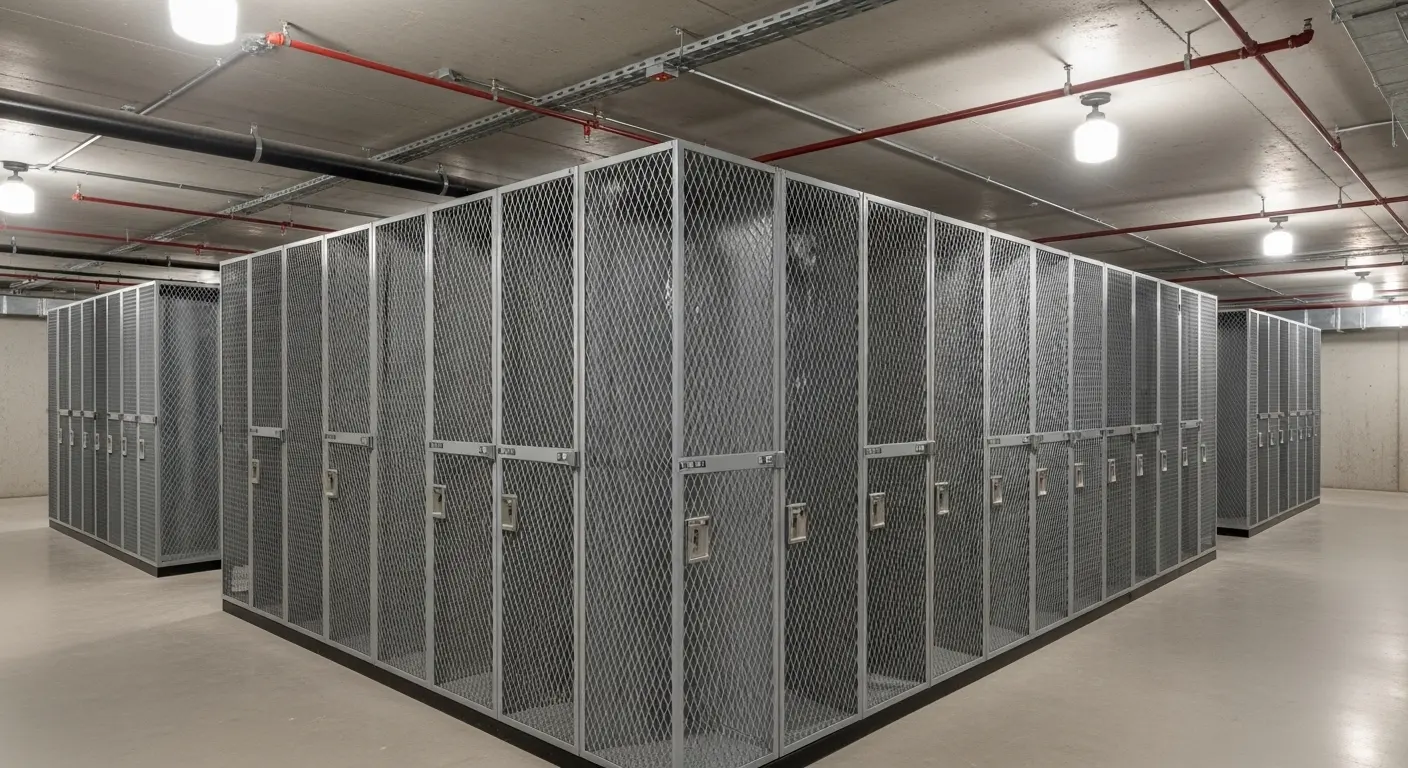
Fire safety tenant storage locker requirements are governed primarily by NFPA 13 standards for sprinklered buildings. To comply, lockers must feature an open-wire design that permits a minimum of 100% sprinkler water penetration to the floor level. Consequently, solid-top lockers are generally prohibited unless the facility is equipped with specialized fire suppression systems.
Understanding NFPA 13 Sprinkler Penetration
The National Fire Protection Association (NFPA) mandates that storage partitions do not obstruct the effective discharge of water. Most local fire marshals require a mesh opening of at least 2 inches by 2 inches. This configuration ensures that water from ceiling-mounted sprinklers can reach the contents inside the locker.
Furthermore, solid shelving within the locker can create "shielded" areas. To avoid violations, we recommend using wire mesh shelving. This maintains the vertical flow of water during a fire event. Our team has observed that fire inspectors prioritize this penetration capability during final walk-throughs.
Mandatory Vertical Clearance Rules
Another critical requirement is the 18-inch vertical clearance rule. There must be a minimum of 18 inches of clear space between the top of the storage contents and the sprinkler deflector. This space allows the sprinkler head to develop its designed spray pattern effectively.
In many high-rise developments, this rule limits the height of the lockers. For example, if your ceiling height is 9 feet, your lockers should not exceed 7.5 feet. Maintaining this gap is a non-negotiable safety standard for all multi-family residential projects.
What are the ADA requirements for tenant storage lockers?
The Americans with Disabilities Act (ADA) establishes strict tenant storage locker requirements to ensure equal access for all residents. According to ADA Standards Section 225.2, at least 5% of the total lockers provided must be accessible. However, even in smaller facilities, at least one locker must meet these accessibility mandates.
Accessible Reach Ranges and Heights
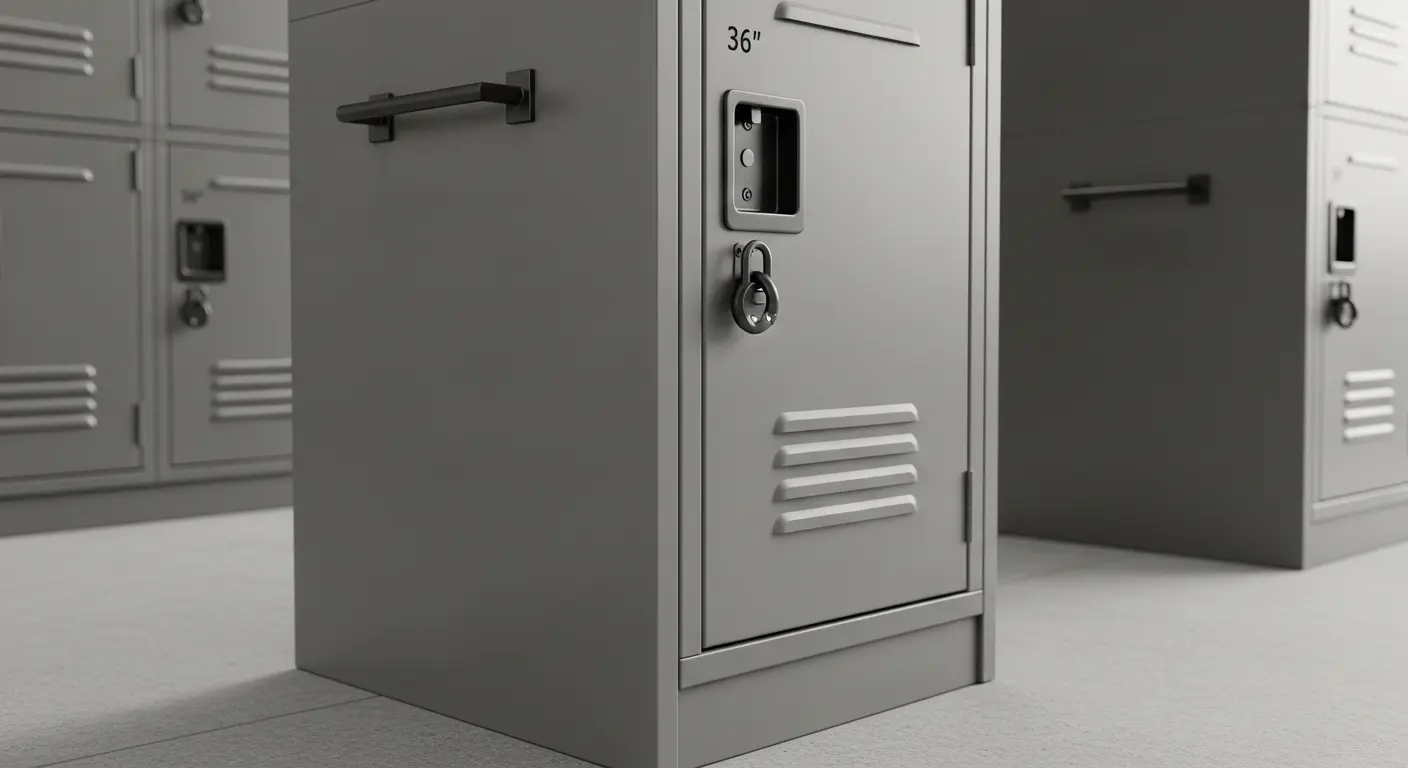
Accessible lockers must fall within specific reach ranges to accommodate wheelchair users. Per ADA Section 308, the high side reach should be no more than 48 inches from the finished floor. Additionally, the low side reach must be at least 15 inches above the floor.
When we design these layouts, we often utilize multiple tier lockers where the bottom tier is reserved for ADA compliance. This ensures that the locking mechanism and door handle are within the required 15 to 48-inch zone. Failure to provide these accessible units can result in significant legal liability for the property owner.
Clear Floor Space and Hardware Specs
Compliance extends beyond the locker itself to the surrounding environment. There must be a clear floor space of 30 inches by 48 inches positioned for either a forward or parallel approach. This allows a resident in a wheelchair to safely maneuver and access their belongings.
Furthermore, the hardware must be "operable with one hand." It should not require tight grasping, pinching, or twisting of the wrist. We recommend utilizing ADA-compliant lever handles or specialized padlock hasps. These components ensure that every resident can operate their storage unit independently.
Standard dimensions and material requirements for apartment lockers
Material durability is a key component of modern tenant storage locker requirements. While building codes focus on safety, industry standards focus on longevity and structural integrity. Most high-end developments now specify 10-gauge welded wire mesh as the minimum standard for tenant partitions.
Selecting the Right Wire Gauge
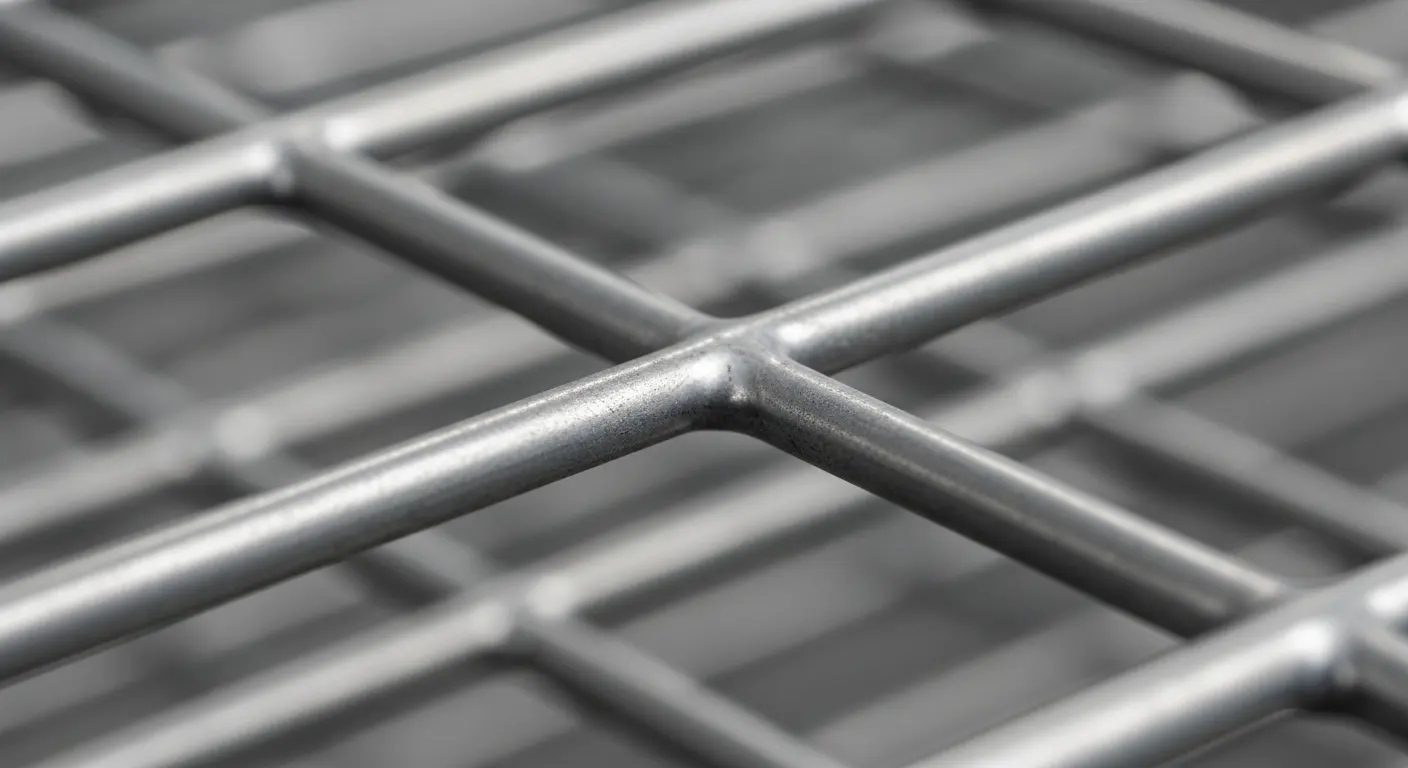
The "gauge" of the wire refers to its thickness. A lower number indicates a thicker, stronger wire. For instance, 10-gauge wire is significantly more difficult to cut than 12-gauge or 14-gauge alternatives. In our experience, using 10-gauge steel reduces long-term maintenance costs by preventing door sagging and frame warping.
Additionally, the mesh should be welded at every intersection. This creates a rigid panel that resists impact and forced entry. For more information on material grades, you can view our tenant storage lockers and wire mesh guide.
Optimal Dimensions for Multi-Family Use
Standard locker dimensions typically range from 3 feet wide by 3 feet deep to 5 feet wide by 5 feet deep. The height is usually 7 feet or 7.5 feet to accommodate fire clearance. However, modular systems allow for significant customization based on the available footprint.
When planning your space, consider the "efficiency ratio." Smaller, stacked units increase the number of available lockers but may limit the types of items tenants can store. Conversely, large walk-in units are highly desirable for luxury condo owners who need space for bicycles or seasonal gear.
Do tenant storage lockers have specific security requirements?
Security tenant storage locker requirements are often dictated by insurance providers and local crime prevention standards. According to recent FBI Uniform Crime Reporting (UCR) data, property crimes in multi-family housing often target communal storage areas. Therefore, robust physical security is a necessity rather than an option.
Anti-Pry Designs and Frame Integrity
The frame of the locker is the most common point of failure during a break-in. To combat this, modern lockers utilize anti-pry door frames and full-length piano hinges. These features prevent an intruder from using a crowbar to force the door open.
Furthermore, the door should include a heavy-duty padlock hasp. This allows the tenant to use their own high-security lock. Based on our project history, we have found that powder-coated finishes also contribute to security by preventing rust that can weaken the metal structure over time.
Integrated Lighting and Smart Technology
In 2026, many developers are moving toward smart-lock integration. This allows for an audit trail of who accessed the storage room and when. While not a legal requirement, it significantly enhances the security profile of the building.
Lighting is another critical factor. The Illuminating Engineering Society (IES) recommends a minimum of 10 foot-candles of light in storage areas. Well-lit spaces deter criminal activity and improve tenant safety. If you are working on a project in the Northeast, our tenant mesh lockers in Pennsylvania service can help you implement these advanced security features.
How to plan your storage layout for building code compliance
A compliant layout must balance storage density with life-safety egress codes. The International Building Code (IBC) provides the framework for aisle widths and exit access. Generally, main aisles in a storage facility must be at least 44 inches wide, while secondary aisles can sometimes be 36 inches.
Egress and Aisle Width Standards
Egress refers to the path residents must take to exit the building in an emergency. If your storage lockers are located in a basement, the path to the exit must remain unobstructed. You cannot store items in the aisles, and the locker doors should not swing into the required egress width.
Additionally, we recommend using sliding doors in tight spaces. Sliding doors do not swing out into the aisle, which helps maintain compliance with minimum width requirements. This design choice is particularly effective in urban developments where square footage is at a premium.
Seismic Bracing and Anchoring
In certain geographic regions, seismic anchoring is a mandatory requirement. The American Society of Civil Engineers (ASCE 7) provides the standards for non-structural components. Lockers must be securely anchored to the floor and, in some cases, the ceiling or walls.
This prevents the lockers from tipping over during an earthquake. Our installation teams prioritize these anchoring points to ensure long-term stability. If you are looking for a specific product for your project, our mesh tenant storage locker options include heavy-duty floor shoes for secure mounting.
Comparing Material Finishes for Longevity
While functionality is paramount, the finish of the locker impacts both aesthetics and maintenance. Most developers choose between galvanized steel and powder-coated steel. Galvanized steel offers excellent rust protection but may have a more industrial appearance.
Powder-coated finishes allow for color customization to match the building's interior design. Furthermore, some modern finishes offer antimicrobial properties. For specialized environments, you might consider antibacterial easy clean lockers, which are becoming popular in shared residential spaces to improve hygiene.
Environmental Impact and Sustainability
Sustainability is an emerging factor in tenant storage locker requirements. Many green building certifications, such as LEED, reward the use of recycled steel. Steel is one of the most recycled materials on the planet, making it an eco-friendly choice for long-term infrastructure.
Furthermore, powder coating is a low-VOC (Volatile Organic Compound) process. This contributes to better indoor air quality for the residents. By choosing sustainable materials, developers can meet both environmental goals and building code mandates simultaneously.
Frequently Asked Questions about Tenant Storage
What is the minimum gauge for secure tenant storage?
For residential security, 10-gauge welded wire mesh is the industry standard. This thickness provides a high level of resistance to hand tools and bolt cutters. It is significantly more durable than 12-gauge alternatives typically found in retail environments.
How many ADA lockers are required in a 100-unit building?
Per ADA guidelines, you must provide accessible storage for 5% of the total units. For a 100-unit building, this equates to 5 ADA-compliant lockers. These units must feature specific reach ranges and accessible hardware.
Can I use solid-sided lockers in a basement?
Using solid-sided lockers in a basement is often restricted by fire codes. Most jurisdictions require wire mesh to allow for sprinkler water penetration and adequate ventilation. Always check with your local fire marshal before installing solid partitions.
What is the standard height for a tenant storage locker?
The standard height for most lockers is 7 feet or 7.5 feet. This height allows for sufficient storage space while maintaining the 18-inch vertical clearance required by fire safety codes. Custom heights are available for buildings with lower ceilings.
Do storage lockers require seismic bracing?
Seismic bracing is required in specific zones categorized as high-risk by the ASCE. In these areas, lockers must be anchored to the structure to prevent collapse during seismic activity. This is a critical safety requirement for buildings in places like California or the Pacific Northwest.
Conclusion
Meeting tenant storage locker requirements is a multi-faceted process that involves fire safety, ADA compliance, and physical security. By following NFPA 13 and ADA Section 225.2, property developers can ensure their facilities are both safe and legal. Utilizing high-quality 10-gauge wire mesh further protects the investment by deterring theft and reducing maintenance needs.
In our experience, a proactive approach to compliance leads to smoother inspections and happier residents. If you are ready to upgrade your facility, we recommend starting with a professional layout design. Contact Good Lockers today for a customized quote that meets all your regulatory and security needs.
