
How Much Do Mesh Lockers Cost? 2026 Pricing Guide
Standard industrial wire mesh lockers generally cost between $150 and $450 per unit in 2026. This price range accounts for variations in size, tier configuration, and steel thickness. Buyers must also consider secondary costs like freight and installation. In our manufacturing experience, the "sticker price" is only part of the total procurement budget.
This guide provides a transparent breakdown of the industrial storage market. We will explore the technical drivers that influence final quotes. As security mesh locker manufacturers, we focus on providing factory-direct data. This helps facility managers create accurate project budgets. By understanding these costs, you can avoid common procurement mistakes and maximize your facility's ROI.
2026 Price Breakdown: How much do mesh lockers cost by type?
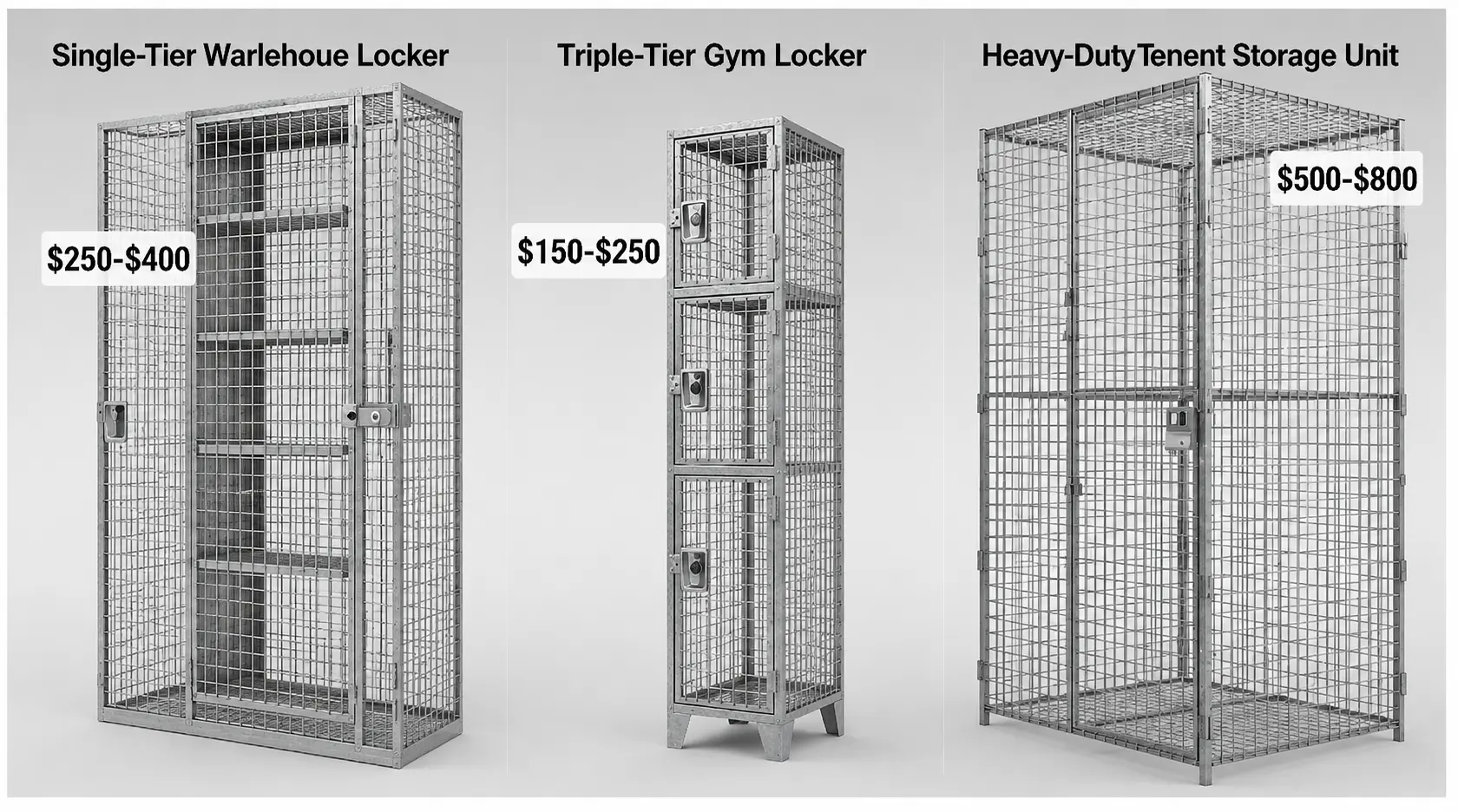
Single-tier mesh lockers average $180–$350, while triple-tier units range from $250–$450. Specialized tenant storage lockers for apartment complexes typically cost between $400 and $800 per unit. These prices reflect 2026 manufacturing standards for high-grade welded wire mesh. Consequently, the specific type of locker you choose significantly dictates your initial capital expenditure.
Single-Tier and Multi-Tier Pricing
Related Products
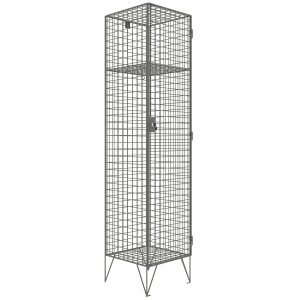
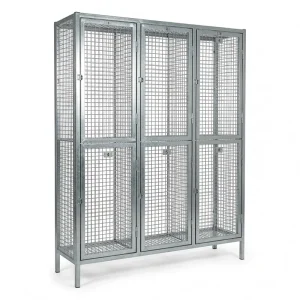
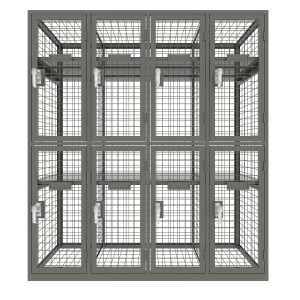
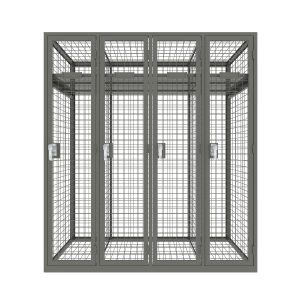
Single-tier units are the most common in warehouse environments. They provide full-height storage for large items and equipment. Multi-tier units, such as double or triple-tier configurations, involve more complex welding and additional door hardware. Therefore, multi-tier units often carry a 20-30% premium over single-tier models. According to Statista, industrial storage prices have remained stable despite logistics fluctuations in 2025.
Specialized Tenant Storage Costs
Tenant storage lockers are built for high-security residential applications. These units often use heavier 10-gauge wire for maximum cut resistance. Because they are often larger and include more robust anchoring systems, they occupy the high end of the pricing spectrum. If you are comparing these to standard metal lockers, expect a higher investment for the added visibility.
Tenant Storage Mesh Lockers
Configuration Impact on Value
Modular configurations can sometimes reduce costs. For example, "starter" units include two side panels, while "adder" units share a side panel. Utilizing adder units across a long row can reduce the total material cost by 5-8%. Furthermore, specific ventilation locker designs may vary in price based on the aperture size of the mesh.
The 4 major drivers of wire mesh locker pricing
Steel gauge, finish type, assembly method, and order volume are the four primary factors that drive locker costs. A shift from 13-gauge to 10-gauge steel can increase the price by nearly 25%. Additionally, specialized finishes like zinc plating cost significantly more than standard powder coating. Understanding these drivers allows you to prioritize features that match your facility's specific needs.
Steel Gauge and Material Thickness
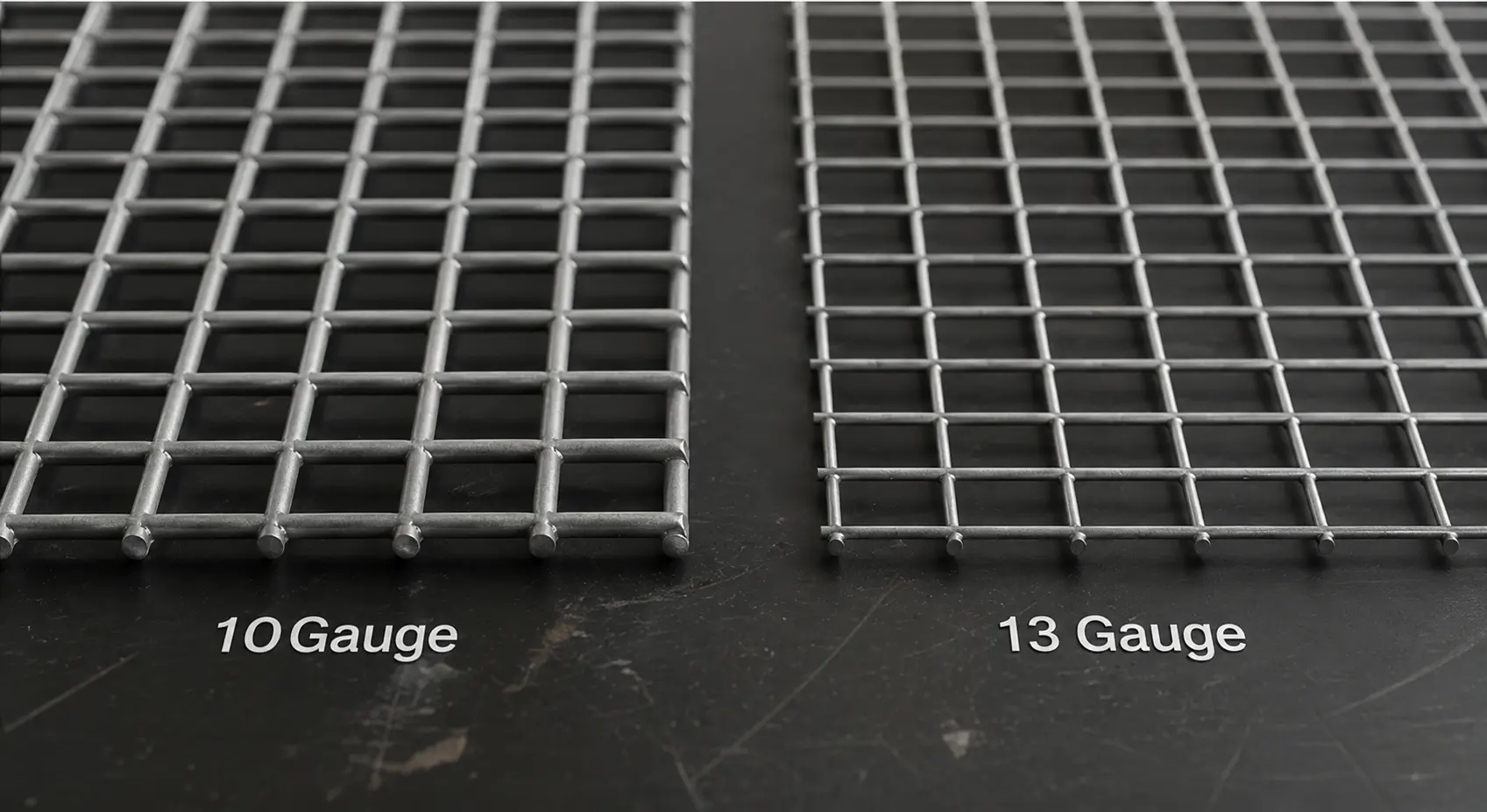
The thickness of the wire, or its gauge, is the most significant material cost. The AISI (American Iron and Steel Institute) defines 10-gauge wire as roughly 0.135 inches thick. This heavy-duty material provides superior security but requires more raw steel. Conversely, 13-gauge wire is approximately 0.092 inches thick and is more affordable. Most school and gym lockers utilize 13-gauge mesh to balance durability and cost.
Finish and Corrosion Resistance
Standard powder coating is available in various colors and is the most cost-effective finish. However, if your lockers will be in a humid or outdoor environment, you need zinc plating. Zinc-plated or galvanized finishes provide exceptional rust resistance. In our experience, these finishes add 15-20% to the unit cost. For healthcare facilities, antibacterial easy-clean finishes are also an available premium option.
Manufacturing Assembly Methods
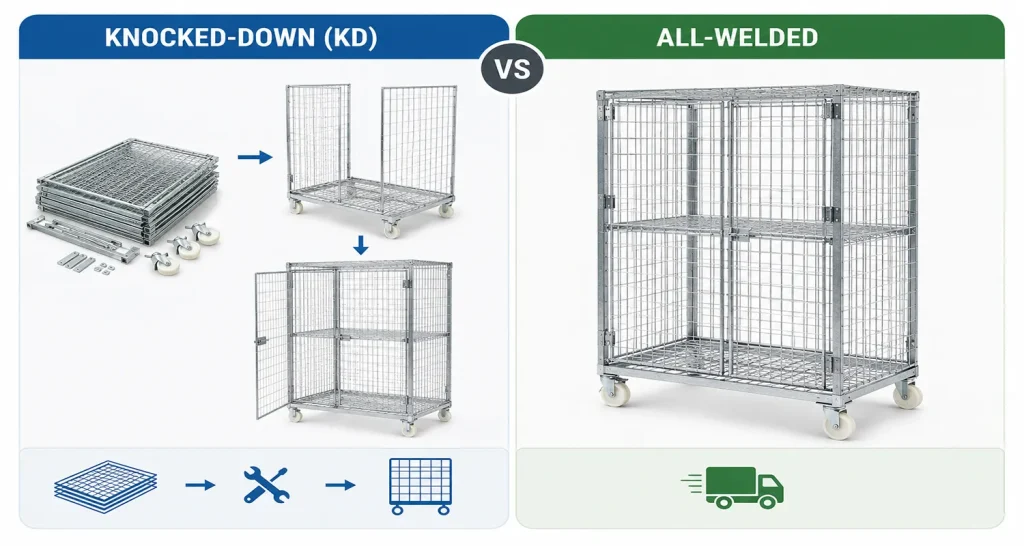
Lockers are sold either "Knocked-Down" (KD) or All-Welded. KD lockers ship flat and require on-site assembly. This reduces shipping costs but increases labor on-site. All-welded lockers are pre-assembled at the factory. They are much stronger and have a higher unit price. Additionally, all-welded units have much higher shipping costs due to their bulk.
Order Volume and Bulk Discounts
Manufacturing efficiency improves with larger orders. Most suppliers offer tiered pricing based on quantity. For instance, an order of 50 units might receive a 10% discount compared to a single unit. Orders exceeding 100 units often trigger "factory-direct" pricing tiers. Therefore, consolidating your procurement can lead to massive project savings.
Is wire mesh more expensive than solid metal lockers?
Wire mesh lockers typically cost 15-20% more than standard solid metal lockers. However, the initial price difference is often offset by superior fire safety compliance and reduced insurance premiums. Mesh lockers allow sprinkler water to penetrate, satisfying NFPA 13 requirements without additional hardware. Consequently, the total cost of ownership is often lower for mesh units over a five-year period.
Comparing Material and Production Costs
Solid metal lockers are produced using high-speed stamping machines. This process is very efficient and uses less labor than welding wire mesh. Wire mesh requires precise resistance welding at every intersection. This labor-intensive process drives the unit price higher. However, security mesh locker manufacturers note that mesh offers 100% visibility, which solid metal cannot provide.
Fire Safety and Insurance ROI
The NFPA 13 standard regarding "obstructions" is a critical factor for warehouses. Solid-top lockers can block sprinkler water, requiring facility managers to install sprinklers inside the units. This retrofitting can cost $500+ per unit. Wire mesh lockers allow water to pass through, avoiding these costs entirely. Furthermore, FM Global research suggests that fire-compliant storage can reduce facility insurance premiums significantly.
Maintenance and Lifespan Costs
In our testing, high-quality wire mesh is more resistant to dents than thin sheet metal. Solid metal lockers often show "oil canning" or dings in high-traffic areas. These damages require frequent door replacements. Wire mesh maintains its structural integrity longer in industrial environments. This durability leads to fewer repairs and a longer usable life for your investment.
Hidden costs: Freight, Anchoring, and Installation
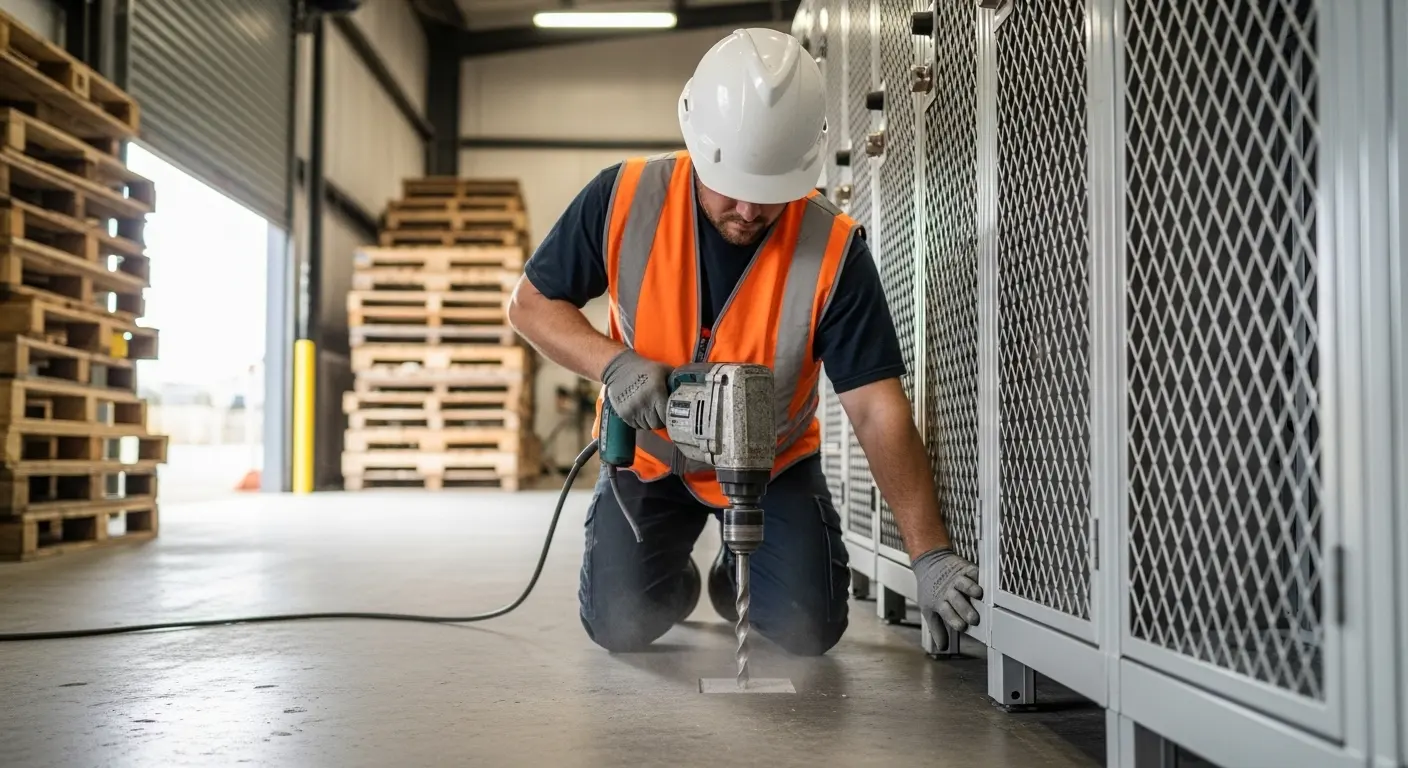
Freight, anchoring hardware, and professional labor are the most common "hidden" costs in a locker project. Shipping can add 10-15% to your total bill, especially for pre-assembled units. Furthermore, industrial installations require heavy-duty wedge anchors to meet safety standards. We recommend budgeting at least 20-25% above the unit price to cover these essential logistics.
Understanding Freight Classes and Logistics
Lockers are typically shipped via LTL (Less-Than-Truckload) freight. The NMFTA (National Motor Freight Traffic Association) classifies storage lockers under Class 125 or higher. Shipping pre-assembled lockers is expensive because you are paying to ship "air." Knocked-down units ship more compactly, reducing freight costs by 40-50%. Always request a landed cost quote to avoid surprise delivery fees.
Anchoring Hardware Requirements
To comply with OSHA safety standards, lockers must be secured to the floor or wall. Industrial wedge anchors cost between $2 and $5 each. A single row of lockers may require dozens of these anchors. While this sounds minor, hardware costs can reach hundreds of dollars for large installations. Proper anchoring prevents tipping accidents and ensures the long-term alignment of the locker doors.
Professional Installation Labor Rates
Installation labor varies by region but generally ranges from $30 to $75 per unit. For multi-tier school lockers, assembly is time-consuming. Professional installers ensure that the units are level and plumb. This precision prevents door rubbing and latch failures. In our experience, hiring pros is cheaper than fixing a poorly installed DIY project later.
How to save money on bulk locker orders
Consolidating your orders and choosing standard specifications are the most effective ways to save money. Procurement teams can often negotiate a 15-25% discount for orders exceeding 50 units. Additionally, selecting standard colors like gray or black avoids custom powder coating surcharges. Furthermore, ordering during manufacturers' "off-peak" seasons can sometimes reduce lead times and pricing.
Strategic Specification Choices
Small changes in specs can lead to big savings. For example, opting for a 13-gauge mesh instead of 10-gauge is sufficient for most gym and school needs. If security is not the primary concern, this change reduces material costs by 20%. Similarly, choosing standard padlock hasps instead of integrated electronic locks saves $50-$100 per door.
Logistics and Shipping Optimization
Requesting "Knocked-Down" shipping is the best way to cut logistics costs. If you have a capable maintenance team, they can handle the assembly in-house. Furthermore, ensure your facility has a loading dock. Carrier "liftgate" fees can add $150+ to a single delivery. Planning your delivery for a single drop instead of multiple shipments also reduces total freight charges.
Factoring in Total Cost of Ownership
Don't just look at the initial quote. Consider the ROI of fire-compliant mesh. If the mesh lockers prevent a failed fire inspection, they have already paid for themselves. Similarly, choosing antibacterial finishes in medical settings reduces cleaning labor costs. Evaluating these factors ensures you are getting the best long-term value for your money.
Market Trends and Price Forecasts for 2026-2027
The industrial storage market is currently influenced by fluctuating raw material costs. While steel prices have stabilized, labor and energy costs continue to rise. We expect a moderate 3-5% increase in locker pricing over the next 18 months. Consequently, locking in quotes now for future projects is a prudent financial strategy for facility managers.
Impact of Automation on Manufacturing
Many security mesh locker manufacturers are investing in robotic welding. This automation helps keep prices stable despite rising labor costs. Robotic welds are also more consistent, which improves the overall quality of the mesh. As these technologies mature, we may see the price gap between KD and all-welded units begin to narrow.
Sustainable Materials and Recycled Steel
Sustainability is becoming a major factor in B2B procurement. Many lockers are now made from 25-30% recycled steel. While this currently has a neutral impact on price, it provides ESG benefits for corporations. Furthermore, the move toward eco-friendly powder coatings is becoming standard. These "green" specifications are increasingly required for LEED-certified building projects.
Digital Procurement and E-Commerce
The rise of digital marketplaces has forced manufacturers to be more transparent. You can now compare prices across multiple vendors in minutes. This competition keeps the market fair for buyers. However, we recommend working directly with a manufacturer for bulk orders. Factory-direct relationships offer better customization and deeper discounts than general industrial websites.
Technical Specifications: Comparing Costs by Gauge
Steel gauge is the most direct technical driver of locker pricing. We classify lockers into three main duty tiers. Understanding these tiers helps you avoid paying for over-engineered solutions. It also prevents you from buying weak lockers that will fail in an industrial setting.
| Specification Tier | Average Price Range | Best For |
| Heavy Duty (10-Gauge) | $350 - $600 | Warehouse, Tenant Storage, Evidence Rooms |
| Standard Duty (13-Gauge) | $180 - $350 | Schools, Gyms, Employee Breakrooms |
| Light Duty (14-Gauge+) | $120 - $220 | Temporary Storage, Home Garages |
Why Heavy Duty Costs More
Heavy-duty 10-gauge mesh is nearly 50% thicker than standard 13-gauge wire. This thickness makes it significantly harder to cut with standard hand tools. Producing 10-gauge mesh requires more powerful welding equipment and more electricity. However, for high-security industrial storage, the added protection is well worth the investment.
Value Engineering for B2B Projects
Value engineering involves looking for ways to reduce costs without compromising function. If your facility has 24/7 security cameras, you might be able to use 13-gauge lockers instead of 10-gauge. This "standard duty" approach meets most requirements while staying under budget. We always suggest consulting with a specialist to find the right balance for your project.
Assessing Strength vs. Cost
In our testing, 13-gauge mesh provides excellent ventilation and visibility. It is the ideal choice for personal storage units with ventilation. Unless you are protecting high-value inventory or weapons, the 13-gauge standard offers the best price-to-performance ratio. This tier accounts for nearly 60% of our total volume in the commercial sector.
ROI Analysis: Mesh vs. Other Storage Types
To truly answer "How much do mesh lockers cost," you must look at the Return on Investment. Mesh lockers offer unique benefits that solid metal or plastic cannot provide. These benefits often lead to lower operational costs that pay back the initial price difference within 24 months.
Visual Audit and Loss Prevention
In distribution centers, internal theft is a major concern. Mesh lockers allow managers to see what is inside without opening the unit. This transparency acts as a powerful psychological deterrent. According to loss prevention experts, visual audits can reduce shrinkage by 15-20%. This direct savings can pay for the lockers in a very short time.
Hygiene and Cleaning Labor Savings
Standard solid lockers trap moisture and gasses. This leads to mold growth and expensive deep-cleaning requirements. Antibacterial easy-clean mesh allows for constant airflow. This keeps contents dry and prevents odors. Consequently, your maintenance staff spends less time cleaning and more time on other facility tasks.
Fire Safety Compliance Payback
As mentioned, NFPA 13 compliance is the "killer app" for mesh lockers. If your fire marshal finds that solid lockers are obstructing sprinklers, you will face heavy fines. Mesh lockers solve this problem on day one. Avoiding just one fire safety fine can cover the cost of an entire locker bank. This makes mesh the smartest financial choice for regulated facilities.
FAQ Section
How much do mesh lockers cost for a small office?
For a small office needing 5-10 units, expect to pay between $200 and $400 per unit plus shipping. You may not qualify for bulk discounts at this volume. However, choosing knocked-down shipping can help keep your total budget manageable.
Are wire mesh lockers more expensive than metal?
Yes, wire mesh lockers are typically 15-20% more expensive than solid metal lockers. This is due to the labor-intensive welding process. However, mesh lockers provide better fire safety and airflow. These benefits often reduce total long-term costs like insurance and cleaning.
What is the installation cost for mesh lockers?
Professional installation generally costs between $30 and $75 per unit. This depends on your location and the complexity of the assembly. For large industrial projects, installers may quote a flat daily rate. This often works out to be more economical for 50+ units.
Why is 10-gauge mesh more expensive?
10-gauge mesh is more expensive because it is thicker and heavier than standard wire. It requires more raw steel and more energy during the welding process. However, 10-gauge is much harder to cut, making it the better choice for high-security areas.
How much does freight shipping cost for lockers?
Freight shipping usually adds 10-15% to the total order value. For pre-assembled lockers, this cost can be even higher because they take up more space on the truck. You can save money by ordering knocked-down units that ship flat on pallets.
Conclusion
Understanding how much do mesh lockers cost requires looking beyond the initial unit price. In 2026, you should budget between $150 and $450 for standard units. Remember to factor in the 10-gauge premium for high-security needs and the logistics of freight shipping. By choosing the right specifications, you can optimize your facility's safety and budget simultaneously.
Focus on the total cost of ownership by considering fire safety and maintenance savings. Mesh lockers are a high-value investment for any modern industrial facility. If you are ready to start your project, explore our full range of metal lockers or request a custom quote. Our team is standing by to help you find the most cost-effective storage solution for your needs.
