
What Warranty Should You Expect on Phone Lockers?
A high-quality phone locker warranty should include at least a 10-to-15-year structural guarantee for the locker body and a 1-to-3-year warranty for the locking mechanisms. At a minimum, the coverage must protect against manufacturing defects, material warping, and premature corrosion.
In this guide, you will learn:
- How to identify "red flag" exclusions in a warranty contract.
- The difference between structural and hardware coverage durations.
- Why material choice (ABS vs. Metal) changes your protection levels.
- How to maintain your warranty through proper installation.
The Baseline: Industry Standards for Phone Locker Warranties
When procuring storage for a facility, the warranty acts as a proxy for the manufacturer’s confidence in their product. In the industrial storage industry, "standard" coverage typically lasts only 1 year. This is often insufficient for high-traffic environments like schools or manufacturing plants where doors are cycled dozens of times per day.
A "premium" warranty, which you should expect from specialized manufacturers, extends structural coverage to 10 years or more. This baseline ensures that the investment you make today remains functional well into the next decade. If a supplier offers less than a 5-year guarantee on the locker frame, it may indicate lower-grade materials that are prone to denting or hinge failure.
Essential Coverage: What Must Be Included?
A comprehensive warranty is not a single blanket statement; it is divided into specific components.
Structural Integrity (The "Box")
The "box" or frame of the locker is the most durable part. Your warranty should cover structural failures such as cracking, warping, or the frame becoming out-of-square. For high-density units like cell phone lockers, the integrity of the internal dividers is just as important as the outer shell.
Locking Mechanisms (Mechanical vs. Digital)
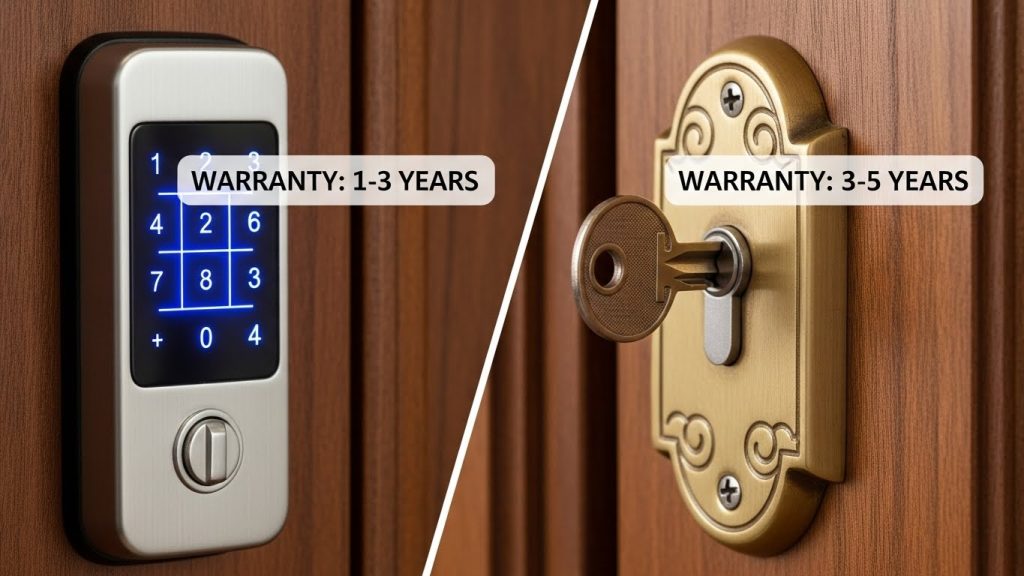
Hardware is the most common point of failure. It is important to note that most manufacturers provide a shorter warranty for locks than for the locker body.
- Mechanical Key/Combination Locks: Look for a 3-5 year warranty.
- Digital/Electronic Locks: Expect a 1-3 year warranty. These components include circuit boards and solenoids which have a finite electronic lifespan.
Surface & Finish (Corrosion & Rust)
In humid environments like gyms or coastal facilities, rust is the primary enemy. A robust warranty must include protection against "corrosion through"—meaning the material should not rust or degrade from the inside out. This is a critical factor when determining how many phone lockers you need for your headcount, as crowded, poorly ventilated areas accelerate moisture buildup.
Material Matters: ABS Plastic vs. Metal Warranties
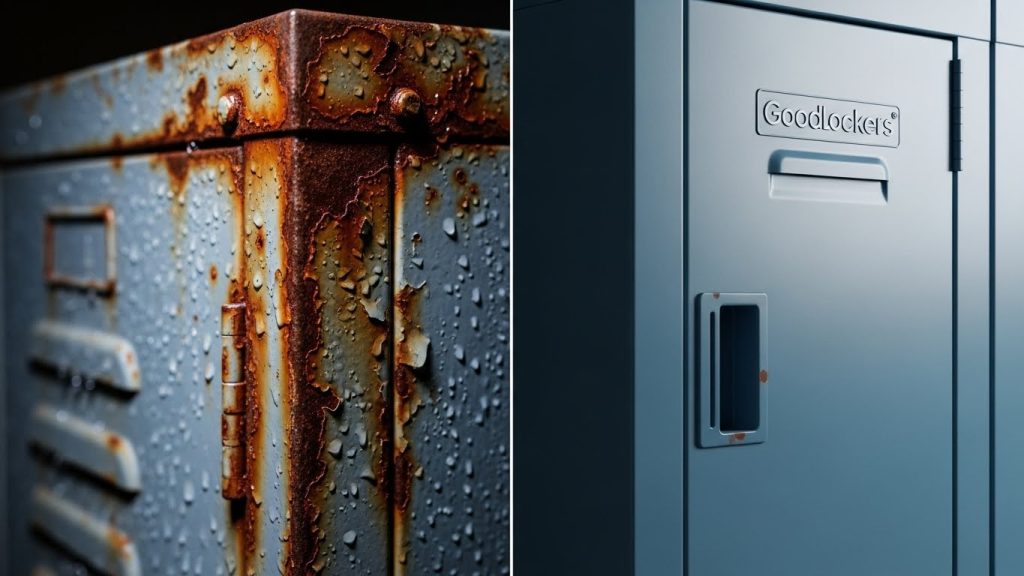
The material of your locker dictates the strength of the warranty. Metal lockers, while traditional, are susceptible to atmospheric corrosion and denting. Consequently, many metal locker warranties exclude "surface rust" or "aesthetic damage," covering only structural collapse.
In contrast, ABS plastic lockers often carry much longer warranties. Because ABS is non-corrosive and impact-resistant, manufacturers can confidently offer 15-year or even "limited lifetime" guarantees.
| Feature | Metal Locker Warranty | ABS Plastic Locker Warranty |
| Typical Duration | 2–5 Years | 10–15 Years |
| Rust Coverage | Often Excluded | Lifetime (Non-corrosive) |
| Impact/Dents | Usually Excluded | Covered if structural |
Common Mistake: Buying metal lockers for a facility near the ocean or a high-humidity locker room, only to find the warranty is voided by "salt-air exposure."
The "Fine Print": Common Warranty Exclusions
Even the best warranty has limits. To keep your coverage intact, you must avoid these common pitfalls:
- Vandalism vs. Defects: Warranties cover manufacturing errors, not intentional damage. A door ripped off its hinges by force is rarely covered.
- Improper Cleaning: Using harsh solvents (like bleach or acetone) on certain plastics can cause "crazing" or micro-cracks. Always use manufacturer-approved cleaners.
- Unauthorized Modifications: Drilling custom holes or painting the lockers can void the structural guarantee.
- Installation Errors: If a locker fails because it wasn't leveled properly during setup, the claim may be denied. Understanding the phone locker lead time allows you to schedule professional installers rather than rushing a DIY job that might void your protection.
How to Evaluate a Supplier’s Warranty (Trust Signals)
Before signing a contract, look for these three trust signals:
- Replacement Parts Availability: Does the company stock spare doors and locks? A warranty is useless if the parts take six months to arrive.
- Response Time: Ask if they have a "service level agreement" (SLA) for claims.
- Shipping Costs: Clarify who pays for shipping on replacement parts. Some "lifetime" warranties are cost-prohibitive because the buyer must pay freight for heavy replacement frames.
When designing your facility, consider what’s the best phone locker layout for hallways and entrances to ensure the units are placed in low-moisture, low-impact areas that maximize their lifespan.
Frequently Asked Questions
Some manufacturers offer a limited lifetime warranty on the ABS or HDPE plastic body, but this rarely applies to the moving parts or electronic locks.
Yes, but usually for a shorter duration (1-3 years) than the locker frame itself due to the nature of electronic components.
No. A locker warranty covers the physical product’s integrity. Theft coverage is typically handled through your facility’s commercial insurance policy.
Common causes include using unapproved chemical cleaners, improper wall mounting, or making structural modifications like drilling.
With high-quality ABS construction, phone lockers can last 15-20 years. Metal units in dry environments typically last 10-12 years before showing significant wear.
No. Most warranties specifically exclude scratches, minor scuffs, or aesthetic fading that occurs through daily use.
Conclusion
A phone locker is a long-term investment in your facility's security. By insisting on a warranty that covers at least 10 years for the structure and 2 years for the locks, you protect your budget from recurring replacement costs.
