
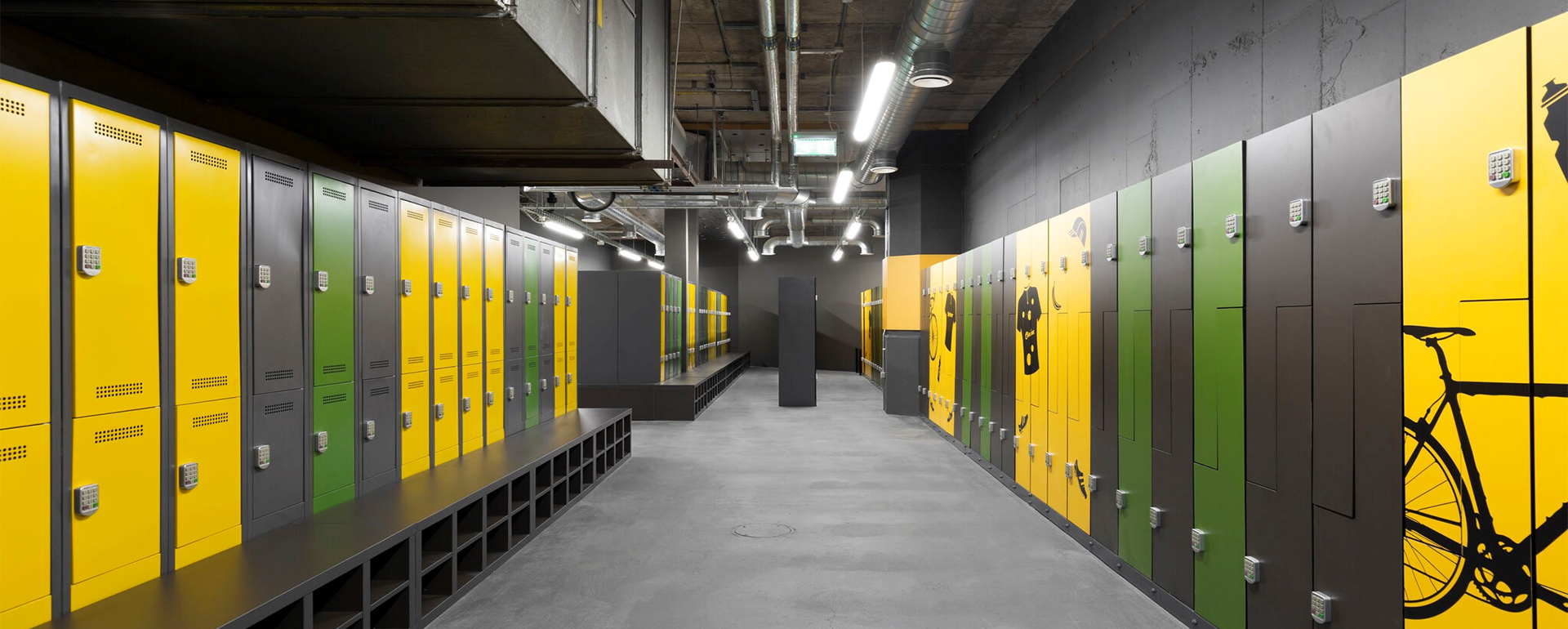
Mesh Locker Color Options: The 2026 Guide to Custom Finishes
Standard mesh locker color options include industrial neutrals like Grey, Black, and Tan, though modern facilities increasingly utilize the RAL color system for custom branding. For most procurement projects, the choice of color is intrinsically linked to the coating technology, such as powder coating or zinc plating. These finishes do more than just provide aesthetic value; they protect the underlying steel from corrosion and mechanical impact.
When you select a color for your ventilated storage, you are also choosing a lead time. Standard colors are typically available via "Quick Ship" programs, while custom RAL shades may require longer production windows. In our experience, integrating these metal lockers into a broader facility design requires a balance between speed, cost, and brand identity.
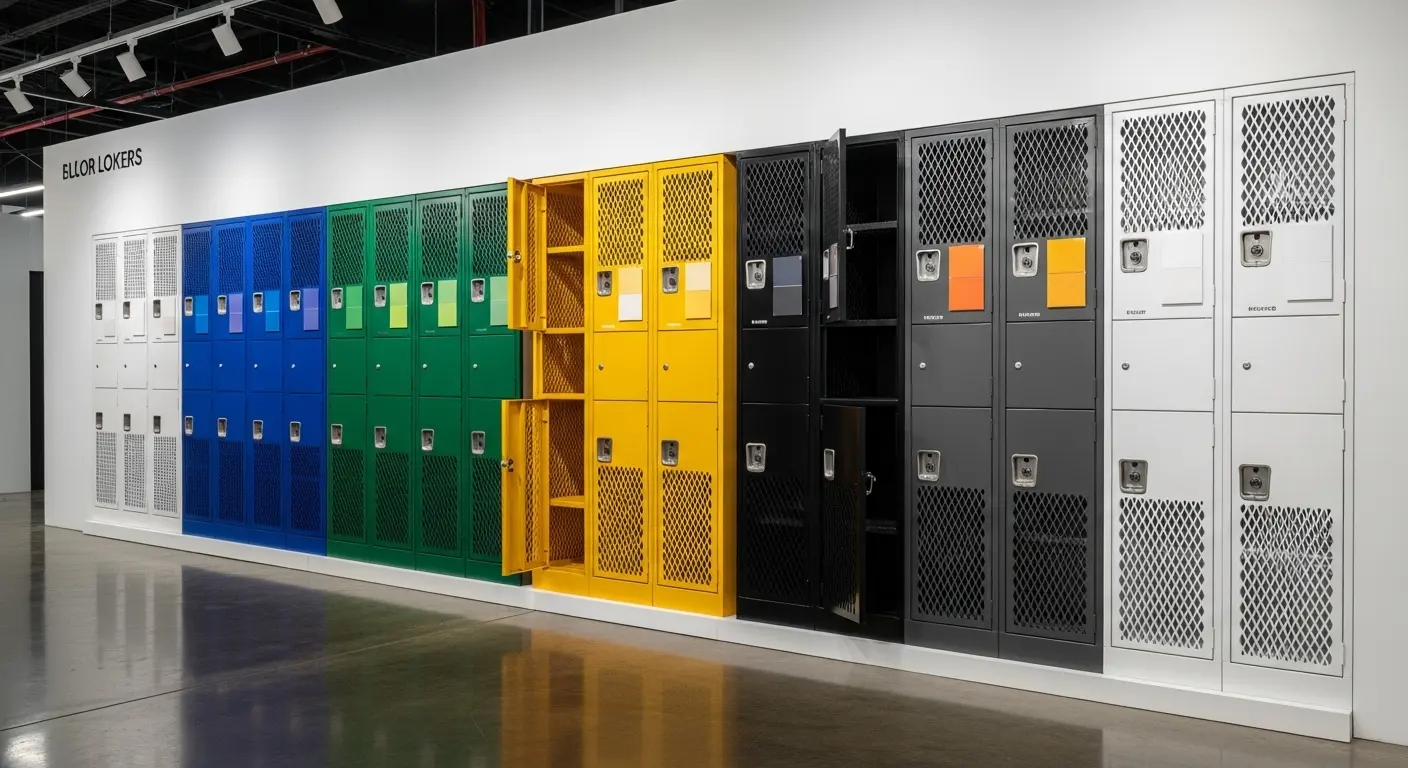
Standard Color Palettes and Quick Ship Availability
Most manufacturers maintain a core selection of colors that are kept in stock for immediate fulfillment. These colors are chosen for their versatility and ability to blend into professional, industrial, and educational environments.
The Benefits of Quick Ship Neutrals
Quick Ship colors like "Charcoal Grey" and "Classic Black" are the industry standard for a reason. These shades are highly effective at concealing dust and minor scuffs that occur in high-traffic areas. Furthermore, choosing a stock color can reduce your project’s lead time by as much as four to six weeks. For urgent school lockers replacements, these neutrals are often the most practical choice.
Common Standard Color Options
Beyond the basic greys, many suppliers offer a secondary tier of standard colors. These typically include Navy Blue, Forest Green, and Burgundy. While these are not always "Quick Ship," they usually do not carry the high surcharge associated with fully custom RAL matching. These colors allow for a degree of personalization without the logistical complexity of a custom paint run.
The Science of Powder Coating for Mesh Surfaces
The durability of your mesh locker color options is defined by the application process. Unlike traditional liquid paint, powder coating is a dry finishing process that provides a much thicker and more resilient barrier.
Pre-treatment and Adhesion
Before any color is applied, the wire mesh must undergo a rigorous cleaning and phosphating process. This stage is critical for ensuring that the powder adheres correctly to the complex surfaces of the mesh. Without proper pre-treatment, the color may flake off when exposed to the vibrations of a locker room or warehouse floor.
Powder Coating Thickness and Curing
In high-quality manufacturing, the powder is applied electrostatically and then cured in an oven at temperatures exceeding 200°C. This creates a finish that is typically 2-3 mils thick, according to the Powder Coating Institute. This thickness is significantly more durable than liquid spray paint. It provides a hard "shell" that is resistant to both chemicals and physical impact. Consequently, it is the preferred choice for heavy duty metal lockers in industrial zones.
Custom RAL Matching and Brand Identity
For organizations that prioritize brand consistency, custom color matching is an essential service. This process allows you to move beyond the standard grey and into a spectrum of over 2,000 possibilities.
Navigating the RAL Color System
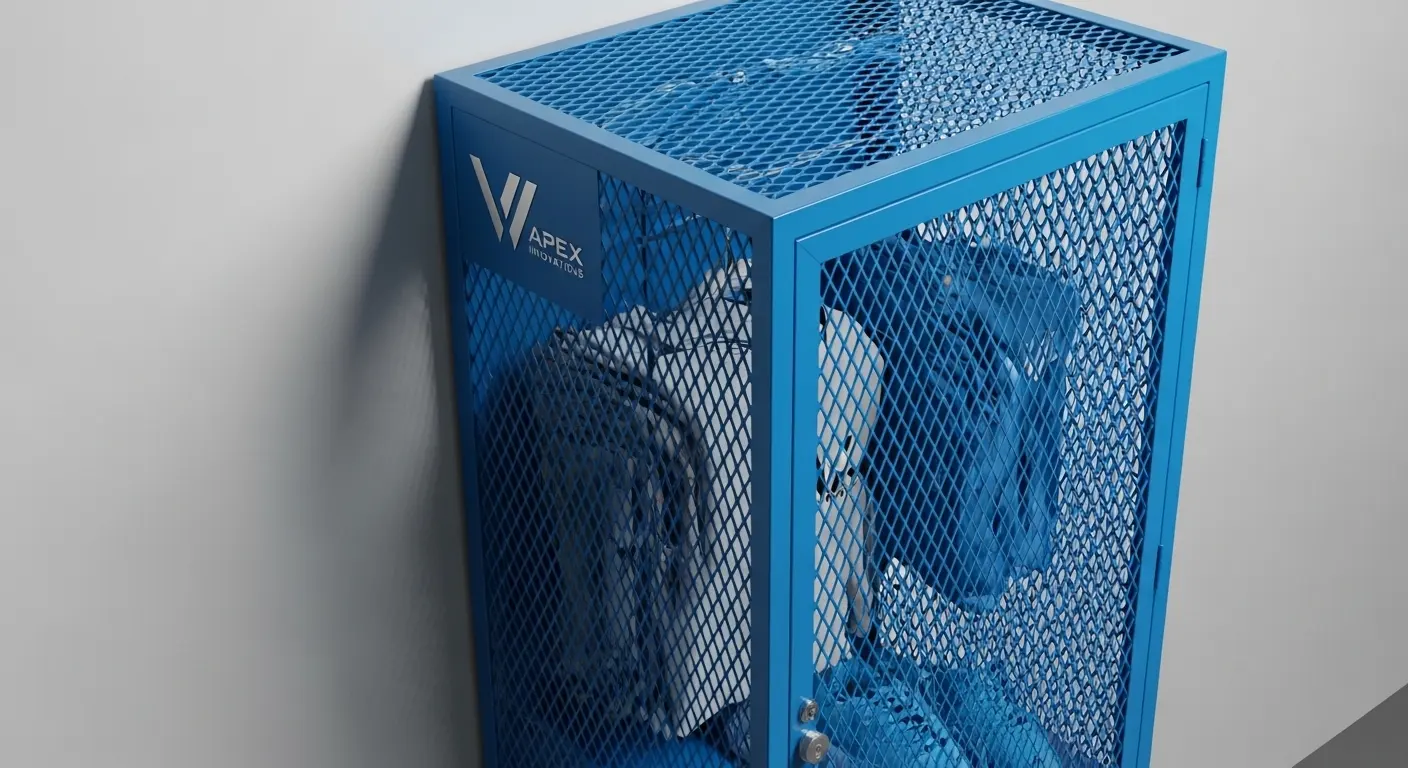
The RAL system is the universal standard for specifying powder coating colors. By providing a specific RAL code (such as RAL 5015 for Sky Blue), you ensure that your lockers match your corporate or school colors exactly. However, you should be aware that custom colors often require a Minimum Order Quantity (MOQ) of 100 units. This requirement exists because the manufacturer must stop the production line to change the powder and clean the equipment.
Two-Tone Design Strategies
A growing trend in facility design is the use of two-tone color schemes. This involves using a neutral color for the locker frame and a vibrant, branded color for the mesh doors. This strategy provides several benefits. First, it makes the locker openings highly visible for users. Second, it reduces the amount of custom powder needed, which can sometimes lower the overall cost of the project.
Environmental and Maintenance Factors
The environment in which your lockers are installed will dictate the best mesh locker color options for longevity. Moisture, UV light, and chemical exposure all play a role in how a finish ages.
UV Resistance for Outdoor and Window-Side Use
If your lockers are positioned near large windows or in outdoor corridors, UV resistance is paramount. Standard interior-grade powders may "chalk" or fade when exposed to direct sunlight for extended periods. To prevent this, we recommend specifying a UV-stable polyester powder. This ensures that a bright red or yellow remains vibrant for many years.
Salt-Spray and Moisture Protection
In aquatic centers or coastal regions, the risk of rust is significantly higher. For these environments, we often suggest a zinc-rich primer underneath the colored powder coat. This "duplex" coating system provides the highest level of corrosion resistance. In our testing of high-humidity gym lockers, this dual-layer approach doubles the lifespan of the color finish compared to standard coatings.
Psychology of Color in Facility Design
The choice of color does more than just look good; it influences the behavior and morale of the people using the facility. Color psychology is a powerful tool in modern architecture.
Color and User Morale
Cool colors like blue and green are known to promote a sense of calm and focus. These are often used in office lockers to create a professional and stress-free environment. In contrast, warm colors like red and orange can boost energy levels. These are frequently found in athletic facilities to inspire motivation among athletes.
High-Visibility for Security
One of the primary benefits of mesh lockers is their transparency. By choosing a high-contrast color—such as a bright white or light grey—you can make it even easier for security personnel to inspect the contents from a distance. This "visual audit" capability is a key reason why many high-security facilities choose light-colored mesh over dark, opaque options.
Cost-Benefit Analysis of Customization
While custom colors offer significant branding advantages, they also come with a different financial profile than standard options. Understanding these costs is vital for accurate budgeting.
Initial Investment vs. Longevity
Custom powder coating typically adds 10% to 15% to the initial purchase price. This covers the cost of the custom pigment and the labor involved in a specialized production run. However, a high-quality finish can extend the life of the locker by preventing the onset of structural rust. When viewed over a 20-year facility lifecycle, the cost of the "premium" finish is often negligible compared to the cost of replacement.
Impact on Resale and Replacement
If you anticipate needing to add more lockers in the future, sticking to a standard color may be wiser. It is much easier to match a standard "Grey" five years from now than it is to match a unique custom batch. However, for flagship facilities where the aesthetic is a core part of the value proposition, the risk of a slight color variance in the future is usually outweighed by the immediate branding impact.
Technical Specifications for Architects
When writing a specification for a locker project, the color and finish must be clearly defined to ensure you receive a high-quality product.
Sample Specification Language
Architects should use precise language to avoid receiving inferior liquid-painted products. A strong specification might read: "All mesh lockers shall be finished with a thermoset polyester powder coat, minimum 2.0 mil thickness, in RAL [Insert Code], following a five-stage iron phosphate pre-treatment." This ensures that every bidder is quoting on the same level of durability.
Compliance with Safety Standards
In some industries, such as food processing or pharmaceuticals, the color of the locker must comply with specific safety regulations. For example, some facilities use color-coding to separate "clean" and "dirty" zones. Using ABS plastic lockers alongside metal mesh can provide a multi-material solution for these complex environments.
Logistics and Shipping Protection
The more vibrant or custom the color, the more critical the shipping protection becomes. Scratches on a standard grey locker are easily touched up, but a scratch on a custom metallic finish is much harder to hide.
Packaging for Colored Mesh
High-quality manufacturers will use individual foam wrapping or cardboard separators for custom-colored units. This prevents the mesh from rubbing against other metal surfaces during transit. In our experience, freight damage is the leading cause of project delays for custom-colored orders.
Lead Times for Custom Orders
Always factor in a "curing and cooling" window for custom runs. While a standard unit might ship from a warehouse, a custom unit must be painted, cured, inspected, and then carefully packed. This typically adds a minimum of 14 days to the shipping schedule.
FAQ: Mesh Locker Color Options
What are the most popular mesh locker color options for gyms?
The most popular choices are Black and Slate Grey. These colors are chosen because they look modern and professional while requiring very little maintenance. Bright blue is also a common choice for university athletic programs looking to match their team colors.
Does powder coating the mesh reduce the airflow?
No, a professional powder coat is only about 2 to 3 mils thick. This is thin enough that it does not bridge the gaps in the wire mesh. Consequently, the ventilation properties of the locker remain fully intact, regardless of the color chosen.
How do I clean a colored mesh locker without damaging the finish?
You should use a mild soap and warm water solution with a soft cloth. Avoid using abrasive pads or harsh chemicals like bleach, as these can dull the gloss of the powder coat. Regular cleaning ensures that the color remains vibrant and free of oils.
Can I get mesh lockers in a wood-grain or metallic finish?
While rare for mesh, some specialty manufacturers offer sublimation finishes that mimic wood or stone. However, for most mesh applications, metallic silver powder coat is the preferred way to achieve a high-end look without the cost of stainless steel.
Is it possible to paint mesh lockers myself?
We do not recommend field-painting mesh lockers. It is extremely difficult to get an even coat on wire mesh using a brush or spray can. Furthermore, DIY paint lacks the chemical bond and durability of a factory-cured powder coat.
Conclusion
Choosing from the available mesh locker color options requires more than just an eye for design. It requires a technical understanding of how different finishes perform in your specific environment. While standard neutrals offer the best value and fastest delivery, custom RAL colors provide an unparalleled opportunity for branding and facility safety.
In our experience, the most successful projects are those that prioritize the quality of the finish as much as the shade. By specifying a 2-3 mil powder coat and considering factors like UV resistance, you ensure your investment remains attractive and functional for decades. If you are unsure which color best fits your space, we recommend requesting a physical color sample to test under your facility's actual lighting conditions.
Written by Hasanur Rahman Sony | Senior SEO Research Strategist
