
Mesh Lockers Free Shipping: A Buyer’s Guide to Total Value
You can secure mesh lockers free shipping by meeting specific bulk purchase thresholds or selecting unassembled units that minimize freight volume. In the B2B storage industry, shipping costs are usually determined by the weight and "class" of the freight. High-quality mesh lockers are inherently heavy. Therefore, freight charges can often add 20% to 30% to your total invoice if not managed correctly.
Finding a supplier that offers transparent shipping terms is essential for facility managers. Our experience shows that focusing on the "landed cost"—the final price including delivery—provides better long-term value than chasing low unit prices with hidden fees. This guide explores how to navigate logistics to eliminate or reduce shipping surcharges on your next order of metal lockers.
The Reality of "Free Shipping" on Industrial Lockers
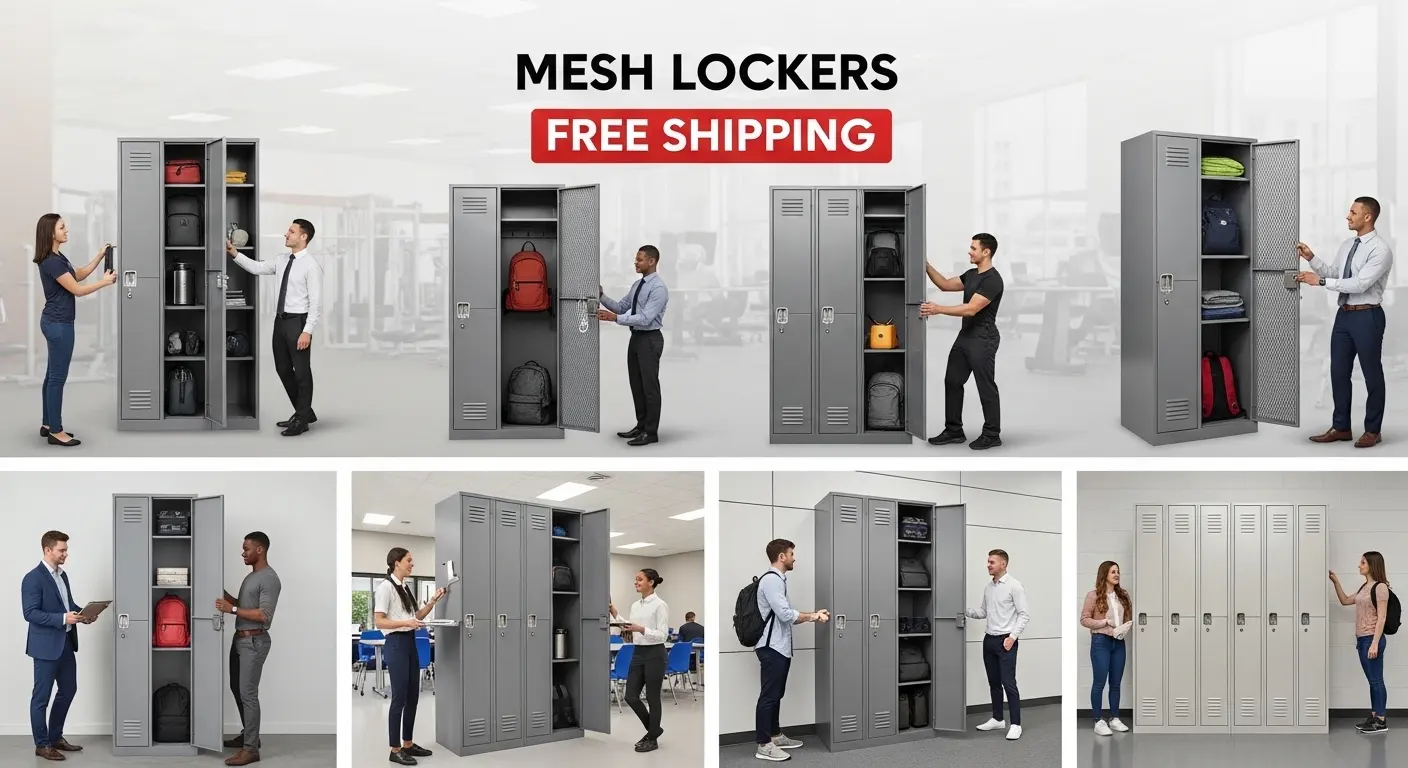
Standard "free shipping" offers are common in consumer retail but rare in industrial storage. This is because mesh units are bulky and require specialized LTL (Less Than Truckload) freight. Understanding the difference between parcel delivery and heavy freight is the first step toward saving money.
LTL Freight vs. Parcel Delivery
Small items often ship via standard parcel services. However, a bank of three-wide mesh lockers is too large for a standard delivery van. According to logistics data, the average freight cost for a single bank of lockers ranges from $180 to $350 depending on your location. This cost remains high because industrial lockers occupy significant "floor space" on a truck.
The "Hidden Fee" Pricing Trap
Many online retailers advertise "free shipping" while significantly inflating the unit price of the locker. This marketing tactic targets buyers who prefer simple invoices. In contrast, a transparent supplier will list the actual cost of the heavy duty metal lockers and provide a separate freight quote. This transparency allows you to see the real value of the hardware you are purchasing.
Understanding Landed Cost
Landed cost represents the total amount you pay to have the product at your door. This includes the unit price, taxes, and shipping fees. Smart procurement officers compare the landed cost across multiple vendors. This approach ensures that a "free shipping" badge isn't masking an overpriced product.
3 Ways to Qualify for Free or Discounted Shipping
While individual units rarely ship for free, B2B buyers have several leverage points. You can use these strategies to negotiate better rates or eliminate shipping costs entirely on large-scale projects.
Meeting the Bulk Threshold
Most manufacturers offer a "freight-allowed" threshold for large orders. This typically triggers when an order exceeds a specific dollar amount or unit count. Based on industry patterns, orders over $5,000 often qualify for subsidized or free shipping. If you are outfitting a new facility, combining your school lockers and office storage into one order can help you reach this limit.
Flat-Packed vs. Assembled Units
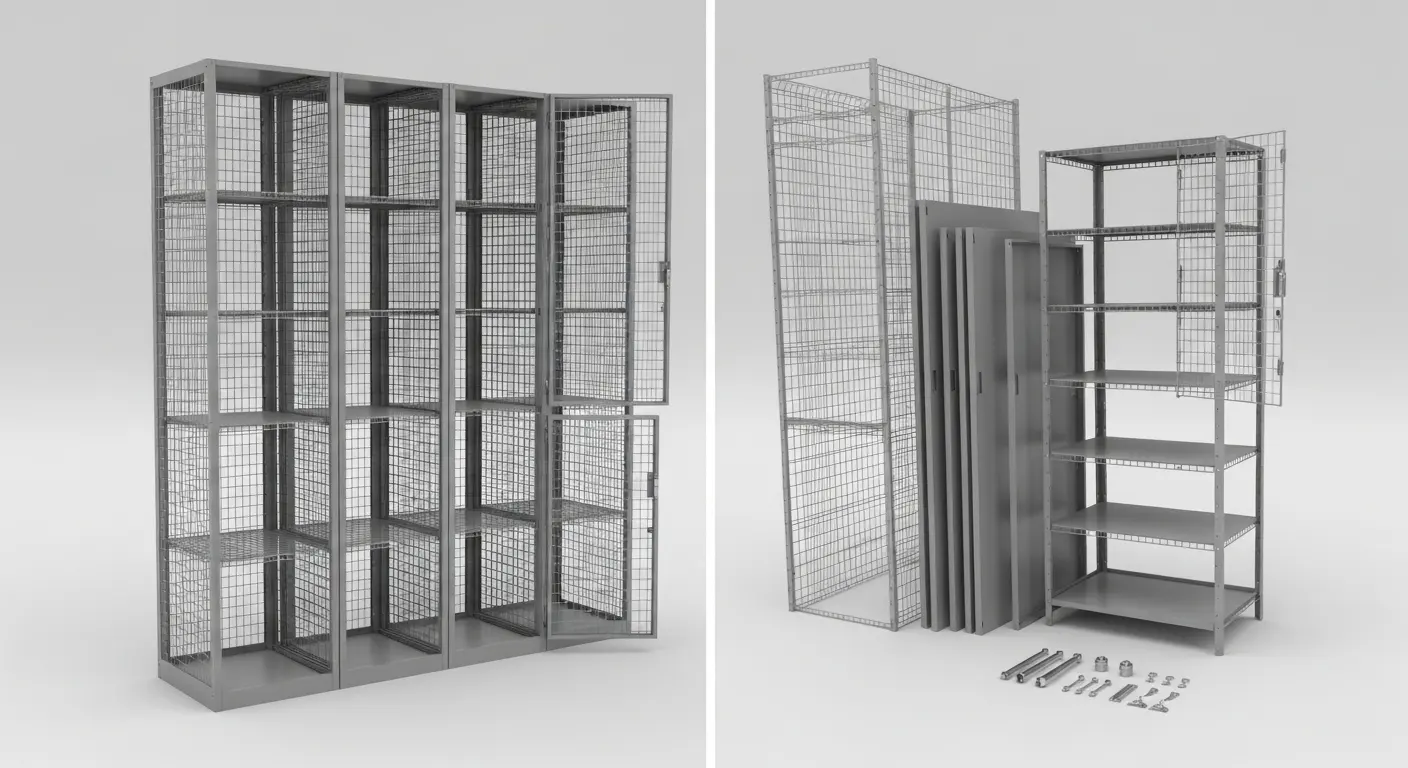
Shipping lockers fully assembled is convenient but extremely expensive. Assembled units take up roughly 3.5x more volume than knock-down (KD) units. This volume increase forces freight companies to charge higher rates. By choosing unassembled mesh lockers, you can fit more units on a single pallet. This efficiency can reduce your shipping costs by approximately 40%.
Regional Warehouse Pickups
If your facility is located near a major manufacturing hub, you may be able to opt for a "Will Call" pickup. This eliminates the carrier cost entirely. Many high-volume suppliers maintain regional distribution centers in major metro areas. Checking for a local warehouse is the most direct way to bypass shipping fees for smaller orders.
Assembled vs. Knock-Down: Which Saves More?
Choosing between pre-assembled and knock-down (KD) lockers is a critical logistical decision. Both options have distinct impacts on your project's bottom line and shipping eligibility.
The Volume Math of KD Lockers
Knock-down lockers ship flat in heavy-duty cartons. Because they are compact, they are less likely to suffer damage during transit. Statistics show that flat-packed units reduce freight damage claims by 15% compared to fully assembled units. Furthermore, the reduced footprint allows you to utilize standard pallet sizes, which often qualify for lower freight classes.
Labor Costs vs. Shipping Savings
You must weigh the shipping savings against the cost of local assembly. Assembling a single mesh locker typically takes a maintenance worker 15 to 25 minutes. If you have a large team on-site, the shipping savings of KD units usually outweigh the labor cost. However, for a small gym lockers project, the convenience of pre-assembled units may be worth the freight premium.
Logistics for High-Density Projects
In our experience, large-scale projects almost always benefit from KD shipping. When we consulted on a 500-unit installation, the client saved over $2,000 by choosing flat-pack delivery. These savings were then reinvested into higher-quality locking mechanisms. This strategy ensures that your budget goes toward product quality rather than transportation.
Avoid These 3 "Hidden" Shipping Surcharges
Even when a supplier offers free shipping, secondary fees can appear on your final bill. These surcharges are usually imposed by the carrier, not the manufacturer. You must identify these variables before the truck arrives at your loading dock.
Residential vs. Commercial Delivery
Freight carriers define "commercial zones" strictly. Most schools and government buildings qualify as commercial. However, delivering to a home office or a small business in a residential area triggers a surcharge. These fees can range from $50 to $100. Always clarify your zone type during the quoting process to avoid surprise invoices.
Lift-Gate and Tailgate Requirements
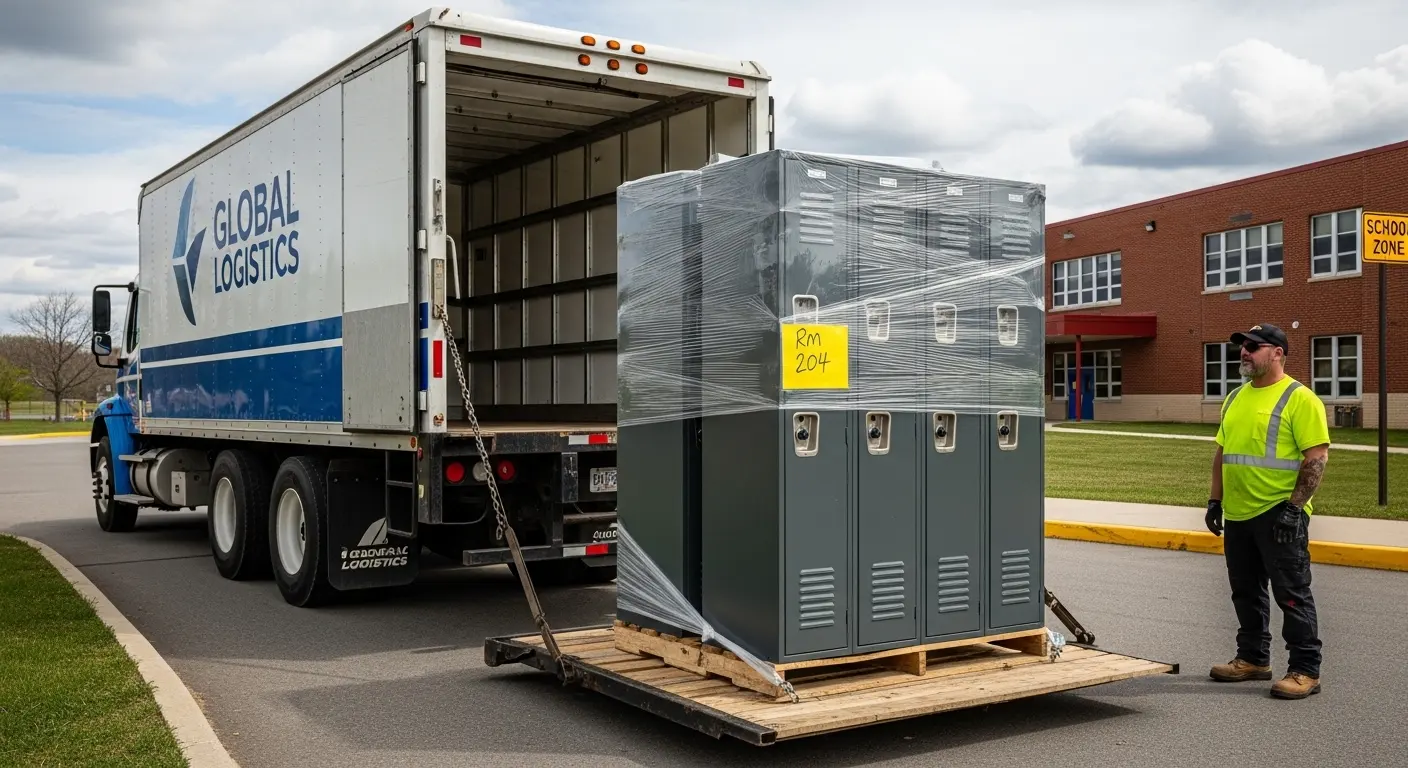
Standard freight trucks are designed to back up to a loading dock. If your facility lacks a dock, you will need a "lift-gate" truck. A lift-gate is a hydraulic platform that lowers the pallet to the ground. This service is rarely included in "free shipping" offers and usually costs an additional $75 to $125 per delivery.
Inside Delivery and Limited Access
"Free shipping" typically ends at the "tailgate" of the truck. This means the driver is not responsible for moving the lockers into your building. If you require "Inside Delivery," the driver will assist in moving the items past the threshold. This service is a premium add-on. Similarly, "Limited Access" fees apply to construction sites, military bases, or schools with restricted entry hours.
Managing Logistics for Bulk Mesh Orders
Managing a bulk order requires careful coordination between the procurement team and the facility manager. Large shipments of heavy mesh units require specific equipment for safe offloading.
Preparing the Receiving Area
Before your lockers arrive, ensure your loading dock is clear. Mesh lockers are often shipped on oversized pallets. Therefore, you will need a pallet jack or a forklift capable of handling at least 2,000 lbs. If you do not have this equipment, you must arrange for a lift-gate service in advance.
Inspecting for Freight Damage
When you receive your shipment, you must inspect the pallets before signing the Bill of Lading (BOL). Even with high-quality packaging, heavy metal items can shift during transit. If you notice any crushed corners or torn wrapping, note it on the driver's paperwork immediately. This documentation is vital if you need to file a claim later.
Coordinating with the Carrier
Most freight carriers will call 24 hours in advance to schedule a delivery window. Missing this window can result in "re-delivery fees." These fees are often excluded from free shipping agreements. Ensure that a staff member is available to sign for the shipment during the entire delivery window.
The Environmental Impact of Shipping Logistics
Efficient shipping isn't just about saving money. It also plays a significant role in your facility's carbon footprint. Choosing the right shipping method can support your organization's sustainability goals.
Reducing Carbon Emissions through KD Shipping
By choosing flat-packed lockers, you maximize the efficiency of each truck. Fewer trucks on the road lead to lower CO2 emissions per unit. This "high-density" shipping model is a core component of modern green logistics. Organizations focusing on LEED certification often prioritize suppliers who offer optimized shipping volumes.
Sustainable Packaging Materials
High-quality manufacturers are moving away from plastic foam and toward recyclable honeycomb cardboard. These materials provide excellent impact protection for ABS plastic lockers and metal units alike. Recyclable packaging reduces the waste your facility must manage after the installation is complete.
FAQ: Shipping Mesh Lockers
Is there a minimum order for free shipping?
Most industrial suppliers require a minimum order of $2,000 to $5,000 to qualify for free freight. This threshold ensures that the shipping cost can be absorbed by the volume of the sale. Always ask for a "freight-allowed" quote if your project exceeds 20 units.
Do you offer free shipping to residential addresses?
Free shipping offers almost always apply to commercial addresses with a loading dock. Residential deliveries require smaller trucks and specialized equipment. Consequently, even if the base shipping is free, you will likely pay a residential surcharge and a lift-gate fee.
How long does shipping take for mesh lockers?
Standard colors typically ship within 3 to 5 business days. Custom RAL colors or bulk orders may take 4 to 6 weeks for production. Once the items leave the warehouse, transit time usually ranges from 3 to 7 days depending on your distance from the distribution center.
What happens if my lockers are damaged during free shipping?
You are still protected by the carrier's insurance. However, you must inspect the shipment upon arrival. If you sign the delivery receipt without noting damage, it becomes very difficult to hold the carrier liable. Always document damage with photos and clear notes on the BOL.
Can I pick up my order from your warehouse?
Yes, most major suppliers offer a "Will Call" option. This is the only way to guarantee $0 shipping costs for small orders. You will need a vehicle capable of securing heavy pallets. Be sure to call ahead to ensure your order is staged and ready for loading.
Conclusion
Securing mesh lockers free shipping requires a strategic approach to procurement. By focusing on bulk thresholds and choosing knock-down configurations, you can significantly reduce your total landed cost. Remember that transparency is the most important factor when choosing a supplier. A vendor who clearly explains freight classes and surcharges will save you more than one who hides fees behind a "free" badge.
As you plan your next facility upgrade, consider the logistics as early as the design phase. Optimized shipping leads to a better ROI and a smoother installation process. For a custom quote that includes a transparent breakdown of all shipping incentives, contact our team today.
