
Mesh Parcel Lockers: The Ultimate B2B Buyer's Guide
Mesh parcel lockers are the industry standard for facilities that require high visibility, maximum airflow, and strict fire code compliance. Unlike solid-walled alternatives, these lockers use welded steel wire to create a secure environment where contents remain visible to security personnel. This transparency is critical for preventing the storage of prohibited items while maintaining the chain of custody for inbound deliveries.
As a leading security mesh locker manufacturer, we have seen a significant shift in how facilities manage deliveries. Property managers and warehouse directors now prioritize solutions that balance theft prevention with building safety regulations. This guide explores why wire mesh is often the superior choice for modern parcel management. We will examine technical specifications, compliance benefits, and the specific use cases where mesh outperforms solid metal.
Why Choose Wire Mesh Over Solid Steel for Parcel Lockers?
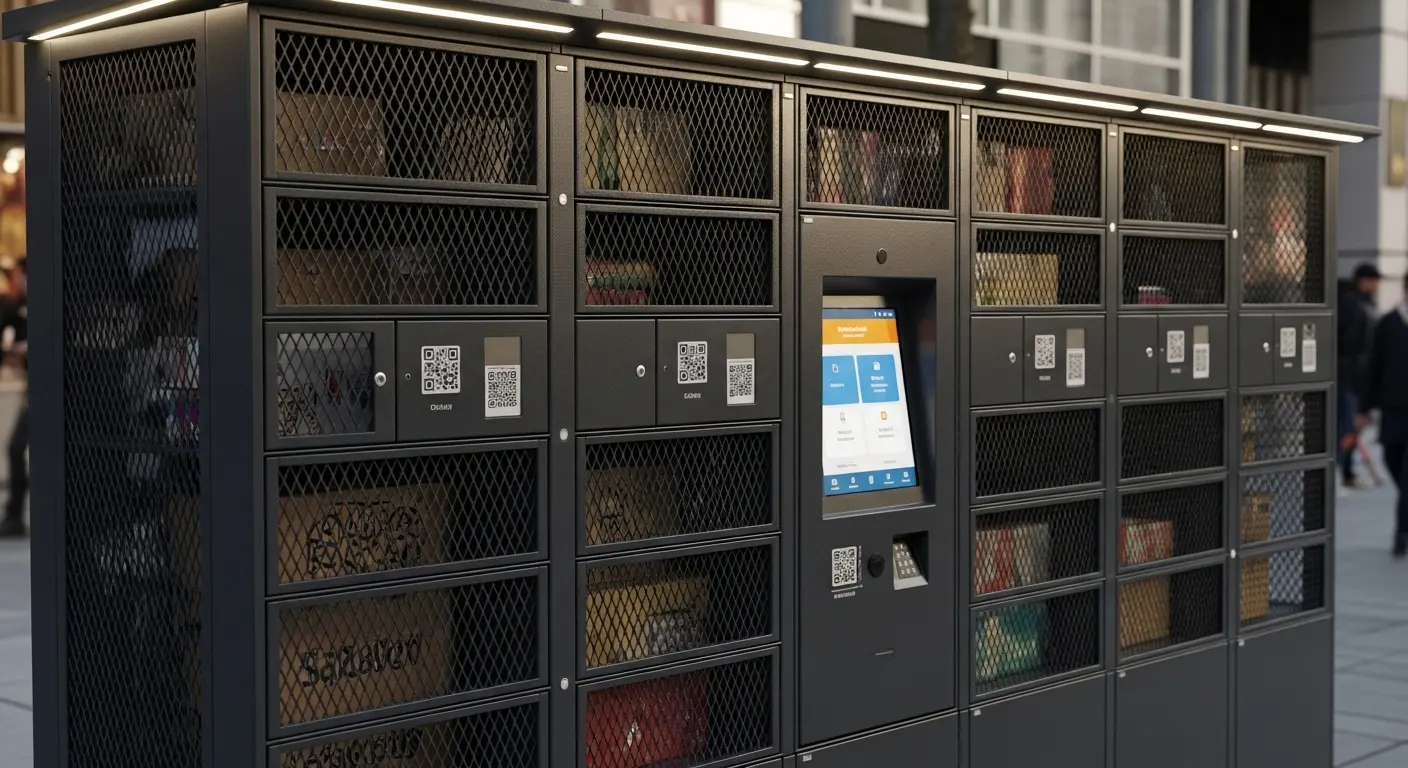
Mesh parcel lockers provide three primary advantages: visual security, fire safety compliance, and superior ventilation. Solid steel lockers often hide potential hazards or prohibited items. In contrast, the open design of mesh allows for instant visual audits. This transparency is a major deterrent for internal theft and the storage of contraband in high-security environments.
Enhanced Security Through Visual Audits
Visual verification is the first line of defense in modern facility management. Security teams can quickly scan a row of mesh parcel lockers to ensure no suspicious packages are present. This is particularly important in government buildings or research labs. Furthermore, it helps employees identify their own packages from a distance. This reduces the time spent searching through lockers and improves overall efficiency.
Superior Fire Code Compliance (NFPA 13)
Compliance with the National Fire Protection Association (NFPA) 13 standard is a non-negotiable requirement for many facilities. Standard solid-top lockers can act as a shield, preventing ceiling-mounted sprinklers from reaching a fire inside or beneath the unit. Mesh lockers solve this problem entirely. Their open-grid design allows water to pass through freely. In our experience, this feature simplifies the building inspection process and can even lower insurance premiums for large-scale installations.
Optimized Airflow and Climate Control
Many commercial deliveries include perishable items, damp gear, or sensitive electronics that require airflow. Solid lockers can trap moisture and heat, leading to odors or damage. Wire mesh ensures constant ventilation. This is why many organizations prefer them for ventilation locker applications. According to market data from Grand View Research, the demand for ventilated storage is growing as more facilities handle diverse delivery types.
Key Specifications of Commercial Mesh Parcel Lockers
To ensure long-term durability, you must understand the technical build of these units. Not all wire mesh is created equal. Commercial-grade mesh parcel lockers are typically constructed from heavy-duty welded steel. This construction ensures the panels remain rigid and resistant to prying or cutting.
Understanding Wire Gauge and Grid Sizing
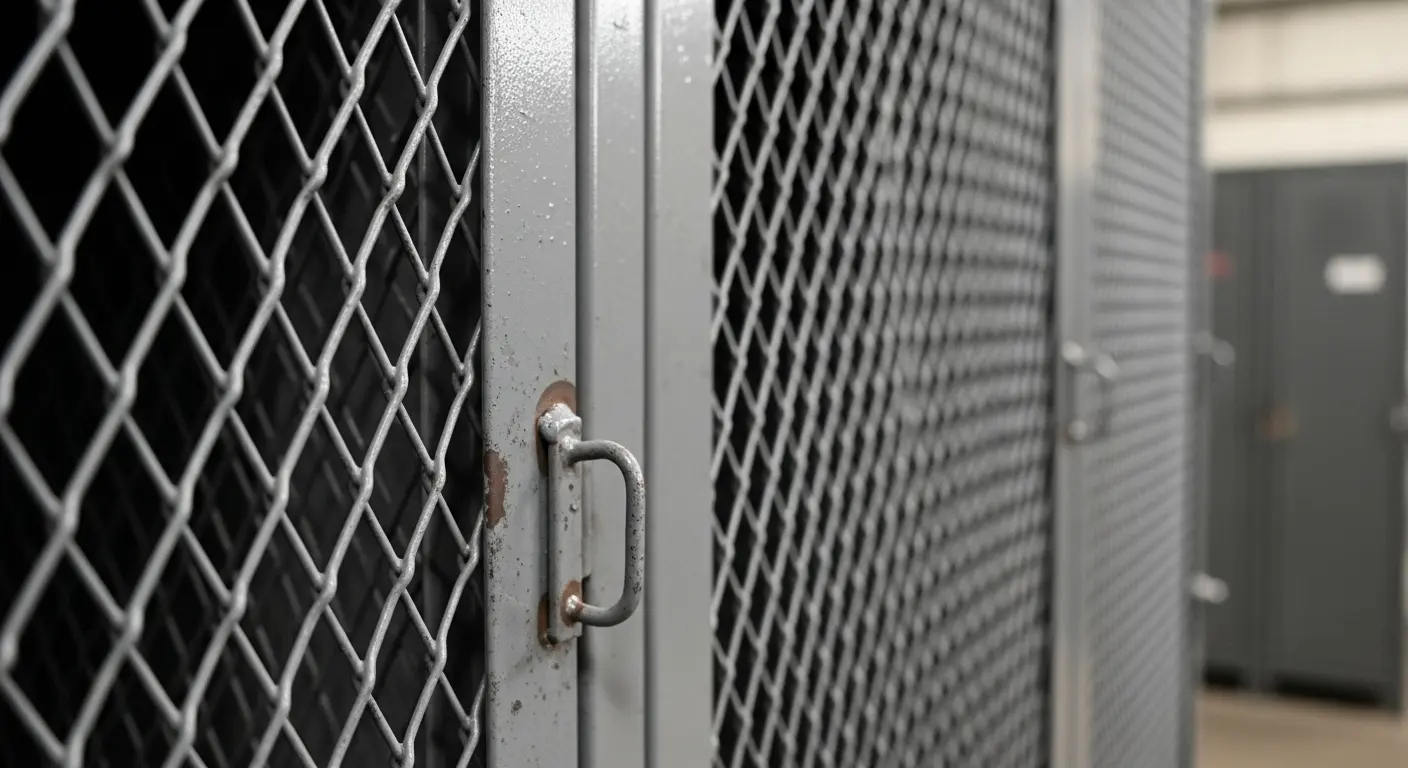
The strength of a locker is determined by its wire gauge. Most industrial units use 8-gauge or 10-gauge steel wire. A lower gauge number indicates a thicker, stronger wire. For security-sensitive areas, we recommend an 8-gauge configuration. Additionally, the grid sizing—often 25mm x 25mm—is small enough to prevent someone from reaching inside. This provides a high level of security while maintaining the "see-through" benefits of the mesh design.
| Specification | Standard Industrial | High-Security Option |
| Wire Gauge | 10-Gauge Welded Steel | 8-Gauge Welded Steel |
| Mesh Size | 50mm x 50mm | 25mm x 25mm |
| Frame | 25mm Steel Angle | 30mm Box Section |
| Finish | Powder Coated | Zinc Plated / Galvanized |
Corrosion Resistance and Finish Options
Material finish is a critical factor for locker longevity, especially in humid or coastal environments. Powder coating is the most common option. It offers a wide range of colors to match your facility's branding. However, if the lockers are located in a warehouse or an area prone to moisture, zinc plating is a superior choice. Zinc provides a sacrificial layer of protection that prevents rust. We also offer antibacterial easy-clean lockers for medical or food-service environments where hygiene is the top priority.
Top 3 Use Cases for Wire Mesh Package Lockers
Understanding how different industries utilize these units can help you determine if they fit your needs. While metal lockers are versatile, mesh is the preferred choice for high-volume, high-traffic zones. Based on our production data at Goodlockers, three sectors currently dominate the demand for these systems.
High-Density Residential Solutions
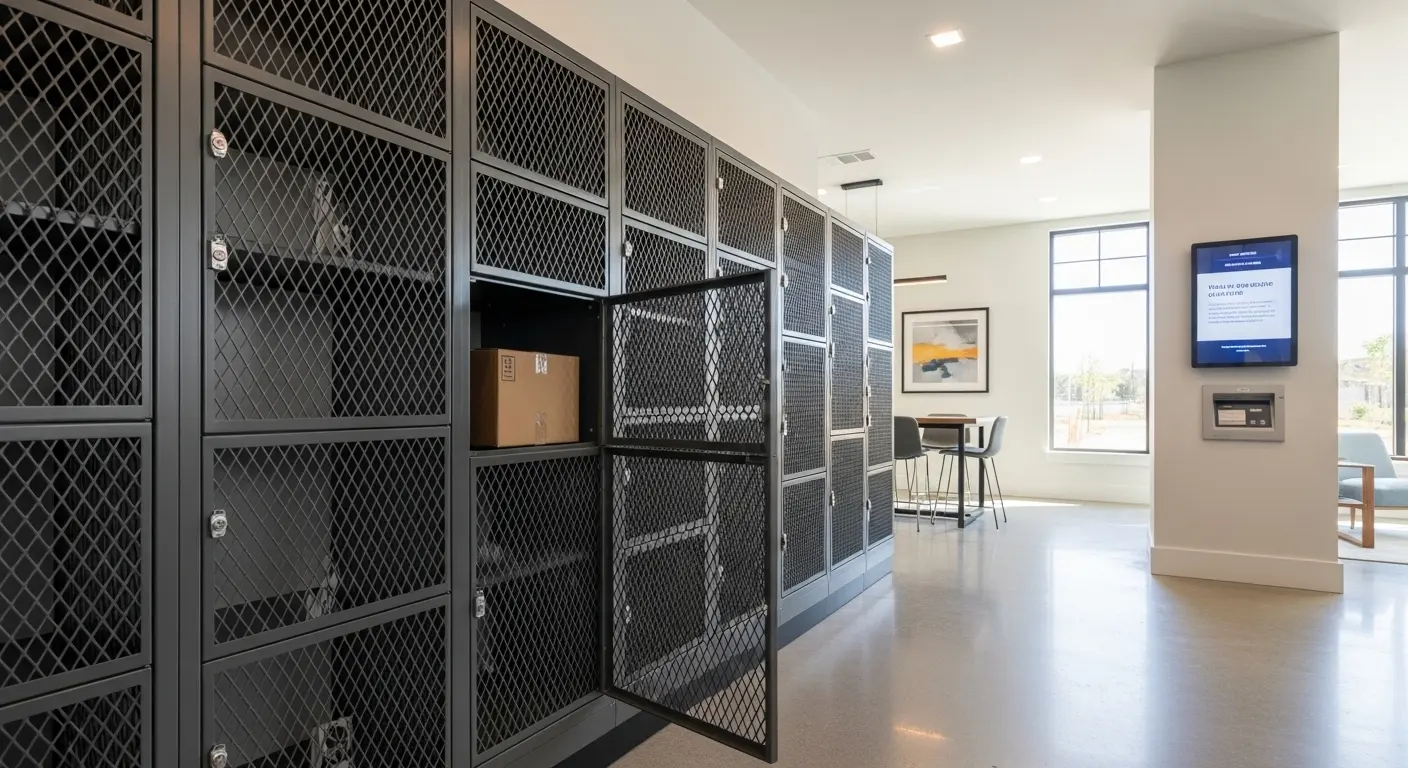
Apartment complexes are facing an unprecedented volume of deliveries. Property managers use mesh lockers to create secure package rooms that do not require constant staffing. Residents can see if their delivery has arrived through the mesh. Meanwhile, the open design ensures the room stays ventilated and meets local fire codes. Statistics from Security.org show that package theft affected over 119 million people in 2023. Implementing mesh storage is a cost-effective way to mitigate this risk for tenants.
Industrial and Warehouse Inventory Control
In warehouse settings, mesh lockers are often used for "will-call" pickups or internal tool distribution. Workers can verify the presence of an item without needing a key or code first. This speeds up the workflow significantly. Because these environments are often dusty, the mesh design prevents buildup on the packages themselves. For educational or athletic settings, we often suggest specialized mesh lockers for schools which are built to withstand heavy daily use.
High-Security Facility Distribution
Prisons, military bases, and pharmaceutical labs have strict requirements for visual inspection. These facilities cannot use solid lockers because they could hide contraband or hazardous materials. Mesh parcel lockers allow guards to perform "at-a-glance" inspections during routine rounds. This maintains a secure perimeter while still providing a convenient storage location for personnel or inbound mail.
Can You Integrate Smart Locks on Mesh Lockers?
A common misconception is that mesh lockers only support traditional padlocks. Modern engineering allows us to integrate sophisticated electronic locking systems into the wire mesh frame. You can use RFID cards, biometric scanners, or PIN codes just as easily as you would on a solid steel unit.
Integrating smart technology provides an audit trail of who accessed which locker and when. This is a game-changer for B2B logistics. In our experience, combining the physical visibility of mesh with the digital tracking of smart locks provides the highest possible level of package security. It eliminates the "black box" problem of traditional lockers while providing modern convenience.
How to Size Your Mesh Locker Installation
Sizing your installation requires a balance between your available floor space and the expected package volume. You should first analyze the average dimensions of the parcels you receive. Most systems are modular, meaning you can mix 1-tier, 2-tier, and multi-tier units in a single row.
We recommend conducting a site survey to identify any obstructions like HVAC vents or electrical panels. Because mesh lockers allow for airflow, they can often be placed closer to vents than solid units. However, you must still ensure that the locker doors have a full range of motion. If you are unsure of the best layout, the Goodlockers team can provide a CAD drawing to help visualize the final installation in your facility.
FAQ
Are mesh parcel lockers secure enough for valuable packages? Yes, they are constructed from high-gauge welded steel that is extremely difficult to cut or bend. When combined with a professional locking system, they provide industrial-grade security comparable to solid steel units.
Do mesh lockers meet commercial fire safety regulations? Most definitely. Their open design complies with NFPA 13 standards by allowing fire sprinkler water to penetrate the unit. This is a primary reason why fire marshals often prefer them for indoor storage rooms.
Can you use smart locks on wire mesh doors? Yes, we can reinforce the mesh frames to accommodate electronic strike plates, RFID readers, and digital keypads. This allows for modern tracking and keyless entry without losing the benefits of visibility.
What is the standard wire gauge for industrial mesh lockers? The standard is typically 10-gauge for general use and 8-gauge for heavy-duty or high-security applications. A lower gauge number indicates a thicker and more durable wire.
What is the lead time for custom mesh locker manufacturing? Lead times vary based on the level of customization and current production volume. Generally, custom orders are fulfilled within 4 to 8 weeks. We recommend contacting our sales team for a specific timeline based on your project requirements.
Conclusion
Mesh parcel lockers represent a strategic choice for any facility manager balancing security with safety compliance. They provide the visual transparency needed for security audits, the airflow required for perishable goods, and the water penetration necessary for fire code adherence. By choosing the right wire gauge and finish, you ensure a long-lasting storage solution that protects both the facility and the packages within it.
To summarize, remember these three key takeaways:
- Prioritize Compliance: Use mesh to satisfy NFPA 13 fire regulations easily.
- Enhance Security: Leverage visual audits to deter theft and contraband storage.
- Choose Quality Specs: Opt for 8 or 10-gauge welded steel for maximum durability.
Need to secure your facility's deliveries? Contact the Goodlockers engineering team today for a custom mesh locker quote and CAD layout.
Written by Hasanur Rahman Sony | Senior SEO Strategist & B2B Content Specialist
