
What Happens If Someone Forgets a Locker Code or Loses a Key?
If you forget a locker code or lose a key, the primary recovery method is to contact a facility administrator who can use a master key or override code to grant access. Depending on the lock type, you may need to provide proof of ownership or pay a small replacement fee to restore security to the unit.
In this guide, you will learn:
- How to identify your lock type for the fastest recovery
- The specific protocols used by gyms, schools, and workplaces
- Methods for resetting digital and manual locks safely
- How to avoid common mistakes that cause locker damage
- Prevention strategies to ensure you are never locked out again
1. The Immediate Protocol: First Steps to Take
The moment you realize you cannot access your locker, the most important step is to remain calm and avoid using force. Modern steel lockers are designed to be tamper-resistant, and attempting to pry the door open will likely result in permanent structural damage to the frame.
Before seeking help, verify the exact nature of the lockout. Is the dial stuck, or have you simply forgotten the sequence? For digital locks, check if the display is active; a dark screen often indicates a dead battery rather than a forgotten code. Once you have identified the issue, retrace your steps to the last place you had your belongings or key. If it remains missing, locate the facility’s "Authority Figure"—this is usually the front desk staff at a gym, the head janitor at a school, or an HR representative in a corporate environment.
2. How Different Facilities Handle Lockouts
Every facility has a specific liability policy regarding locker access. Understanding these protocols helps you navigate the situation without violating membership agreements or employment contracts.
Gyms & Fitness Centers
Most commercial gyms use a "Bolt Cutter Policy" for personal padlocks. If you lose your key, staff will typically verify your identity and then clip the lock. If the gym provides the locks—such as those found on cell phone lockers—they will use a master key. Be prepared to pay a replacement fee, which typically ranges from $10 to $25 (needs verification), to cover the hardware costs.
Schools & Universities
Educational institutions maintain a "Locker List" that maps every locker number to its specific combination or key serial number. Students should report a lockout to the main office or the custodial department. Unlike public gyms, schools rarely charge for the first recovery attempt, but repeated lockouts may result in a small administrative fine.
Workplaces
Employee lockers are often subject to different privacy laws. While employers generally have the right to open lockers on their property, they usually require two staff members to be present during a forced entry to ensure transparency and security. If you are locked out at work, HR or Facility Management will typically lead the recovery process using a master override system.
Common Mistakes to Avoid:
- Using "Lock Picking" Tools: Even if you’ve watched a tutorial, attempting to pick a lock in a public facility can look like theft and may lead to membership termination or disciplinary action.
- Forgetting ID: Administrators will rarely open a locker for you if you cannot prove who you are.
3. Manual vs. Digital: Resetting the Lock
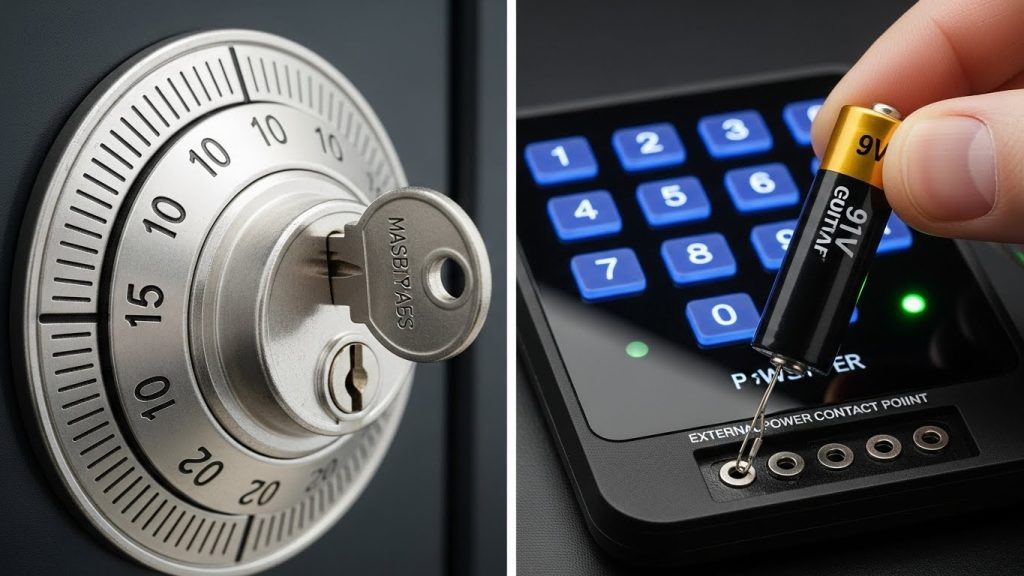
The recovery process varies significantly based on whether your locker uses traditional mechanical components or modern electronic hardware.
Manual Combination Dials
For standard dial locks, recovery usually requires the serial number found on the back or bottom of the lock. Manufacturers like Master Lock have database retrieval systems that administrators can access. If the lock is built into the door, a master keyhole is usually hidden or located just above the dial.
Digital Keypads
If you have forgotten the combination to an electronic system, you must follow a specific reset protocol. Most high-end digital locks feature a master code (often set by the factory and changed by the facility manager) that overrides any user-set PIN. For more details on this process, see our guide on how to reset a digital phone locker code safely.
Smart Lockers
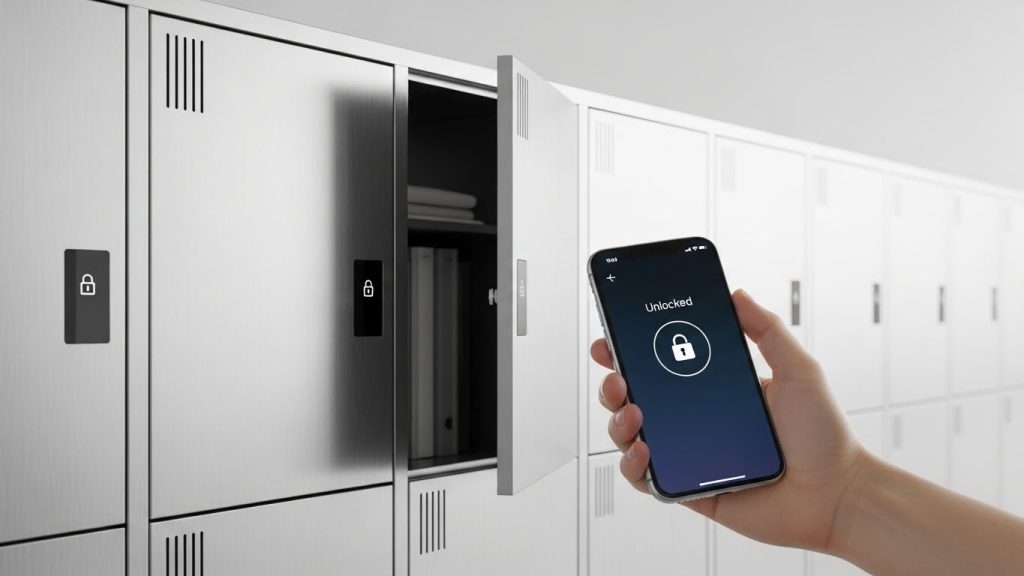
Next-generation smart lockers are the easiest to recover. These systems are usually connected to a central server or managed via a smartphone app. If you lose access, a facility manager can trigger a "Remote Release" from their dashboard, popping the door open instantly without the need for physical tools or master keys.
4. The Costs of Forgetting: Financial & Physical
While a forgotten code is an inconvenience, the physical costs can be significant. If a lock must be forcefully removed, there is a high risk of "Locker Rash"—scratches and dents caused by bolt cutters or prying tools hitting the powder-coated steel.
Financial costs include:
- Replacement Padlocks: $5 to $20 for standard security levels.
- Locksmith Fees: If a facility does not have a master key on-site, a professional locksmith may charge $75 or more (needs verification) for a service call.
- Frame Repairs: If the locker door is bent during a forced entry, the entire unit may need to be replaced to maintain the facility's aesthetic and security standards.
Using one-stop solutions that include integrated master key systems significantly reduces these long-term maintenance costs for facility managers.
5. Prevention: Future-Proofing Your Locker Access
The best way to handle a lost key is to ensure it never happens. Consider the following strategies:
- Mnemonic Devices: Choose a combination based on a date or number that is significant to you but not obvious (avoid birthdays).
- Digital Backups: Store your locker combination in a secure, encrypted password manager on your phone.
- Smart Upgrades: If you are a facility manager, switching to RFID or App-based smart lockers eliminates the "lost key" problem entirely. Users simply scan their badge or phone to gain entry.
FAQ
Immediately notify the facility management or front desk. They will use a master key to open the locker and will likely charge a small fee to replace your lost key.
Yes, a professional locksmith can open any locker, but it is usually the most expensive option. Most facilities prefer to use their own master keys or bolt cutters rather than hiring an external professional.
No, there is no universal master code for all lockers. Each manufacturer has its own default codes, which facility managers are strictly advised to change during installation for security reasons.
Most gyms will cut a personal padlock if you can prove the contents of the locker belong to you. You will be responsible for purchasing a replacement lock.
Most digital lockers have external contact points where you can touch a 9V battery to provide temporary power. This allows you to enter your code and open the door to change the internal batteries.
Only if you have the serial number and can provide proof of purchase. Many manufacturers will not provide combinations directly to individuals for security reasons, requiring you to go through an authorized dealer or facility manager.
Conclusion
Forgetting a locker code or losing a key is a common issue, but it doesn't have to result in a broken locker. By following the correct facility protocols and using the right override tools, you can regain access quickly and safely. If you are a facility manager looking to reduce these headaches, consider investing in modern smart locker systems that offer remote management and keyless entry.
