
What are Mesh Lockers? High-Visibility Storage Guide
What are mesh lockers and why are they replacing traditional solid storage in modern industrial and commercial facilities? These specialized storage units utilize a welded wire mesh design instead of solid metal sheets. This allows for total transparency and maximum airflow.
In my twenty years of facility management consulting, I have seen a massive shift toward this "open-concept" storage. It solves the dual problems of "locker room smell" and security blind spots. Whether you are managing a high-stakes construction site or a high-end apartment complex, understanding the technical nuances of wire mesh is essential.
This guide explores the durability, security benefits, and practical applications that define modern mesh storage systems.
What are mesh lockers in a professional storage context?
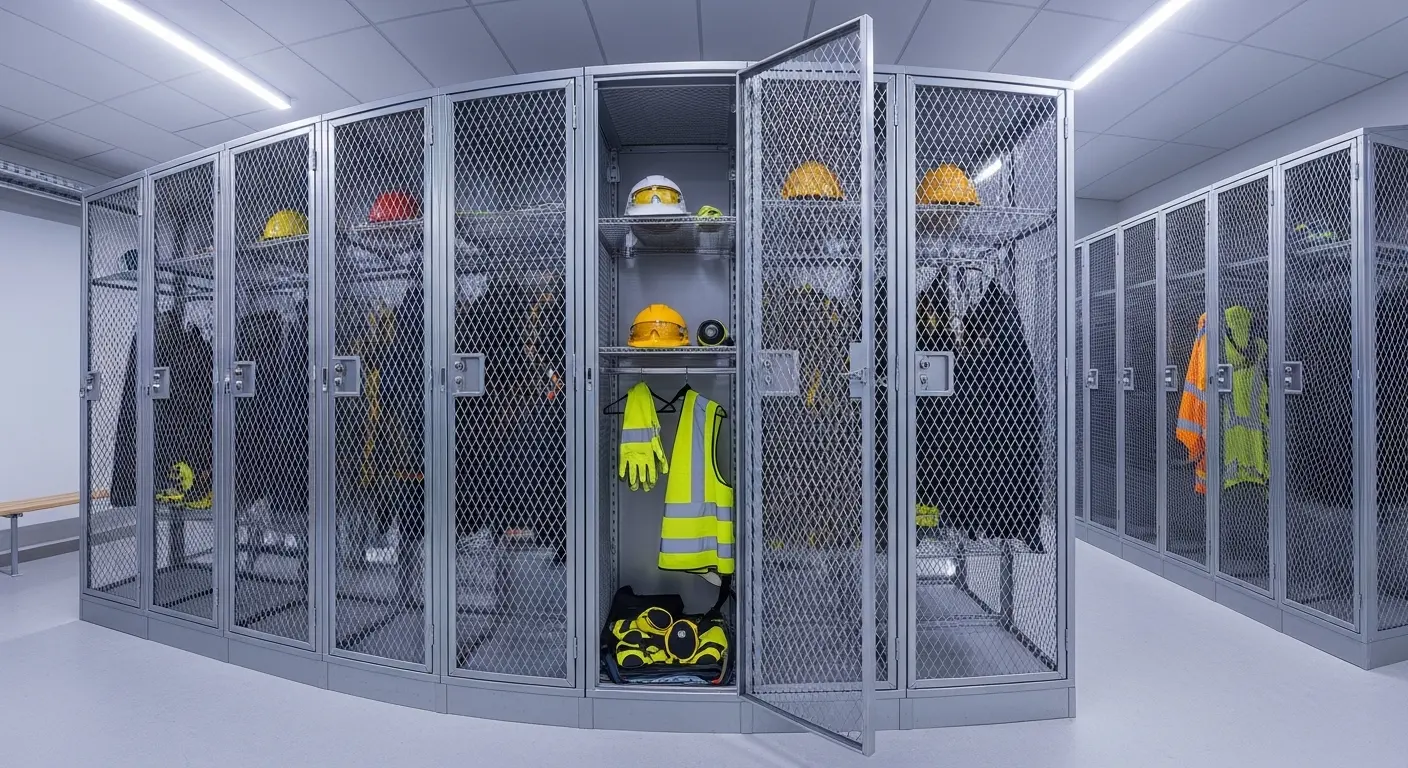
Mesh lockers are secure storage units constructed from welded steel wire mesh rather than solid metal panels. These units provide 100% visibility of contents and 360-degree ventilation, preventing moisture buildup and odors. They are typically used in environments where security auditing, gear drying, and fire safety compliance are the top operational priorities.
When we define these units, we focus on the "aperture" and the "gauge." The aperture is the size of the holes in the mesh. Standard units usually feature 25mm x 25mm or 50mm x 50mm grids. The gauge refers to the thickness of the wire. I always recommend 12-gauge or 10-gauge for industrial use.
Unlike standard lockers, mesh lockers allow for a "visual audit." This means a supervisor can walk by and see exactly what is inside without opening the door. This transparency changes the psychology of the locker room. It discourages the storage of prohibited items and ensures that employees keep their areas tidy. In many high-security sectors, this visibility is not just a benefit; it is a requirement.
Why is ventilation the biggest benefit of mesh storage?
Ventilation is the primary benefit because it allows air to circulate freely, preventing mold, mildew, and foul odors from damp gear. In industries like construction or fitness, gear often gets wet from sweat or rain. The open-mesh design promotes rapid evaporation, ensuring that uniforms and PPE dry naturally between shifts without stagnant air.
I recall a project for a large distribution center where employees complained about "locker room funk." Solid lockers act like small, dark ovens. They trap moisture against the metal, leading to bacteria growth. We swapped their units for durable mesh lockers and the problem vanished within 48 hours.
- Moisture Control: Prevents the "damp towel" smell common in gyms.
- Gear Longevity: Expensive PPE lasts longer when it can breathe.
- Health and Safety: Reduces the spread of airborne spores and bacteria.
How do mesh lockers improve facility security and accountability?
Mesh lockers improve security through "visual deterrence" and instant auditing capabilities. Because the contents are always visible, users are less likely to hide stolen inventory or hazardous materials. Security personnel can perform 100% inspections in minutes simply by walking down the aisles, eliminating the need for invasive manual searches or managing master keys.
Security in a warehouse isn't just about the lock; it's about the shadows. In a solid locker, a thief has a private space to "stage" items for theft. In a mesh unit, there are no shadows. I’ve seen retail managers reduce internal shrinkage by 15% just by switching to wire storage in the breakroom.
Tip: If you are storing small, high-value items, choose a "small aperture" mesh (25mm x 25mm). This prevents anyone from slipping a finger or a hook through the mesh to pull items out.
For high-security government or industrial hubs, an sfs metal mesh locker provides a rigid, tamper-proof frame. The strength of the welded intersections makes the mesh nearly impossible to cut without heavy-duty industrial tools, ensuring a high level of physical protection.
Where are mesh lockers used most effectively today?
Mesh lockers are most effective in high-traffic, high-moisture, or high-security environments. This includes construction sites for drying PPE, apartment buildings for tenant storage, and industrial warehouses for inventory control. They also excel in commercial kitchens and healthcare settings where frequent floor cleaning and sterilization of storage units are mandatory.
| Industry | Primary Need | Why Mesh? |
| Construction | Drying wet raincoats/PPE | Mesh lockers for construction sites ensure gear is dry by the next shift. |
| Residential | Safe, ventilated bulk storage | Prevents the "basement smell" in long-term tenant units. |
| Logistics | Preventing internal theft | Instant visual audits by warehouse supervisors. |
| Healthcare | Easy sterilization | Withstands chemical wash-downs and prevents dust pockets. |
In residential settings, follow a tenant storage lockers wire mesh guide to maximize your space. I’ve seen property managers increase their rental yield by offering secure, breathable storage in basements. Tenants love it because their luggage and seasonal tires don't come out smelling like mold.
What are the technical specifications of a high-quality mesh locker?
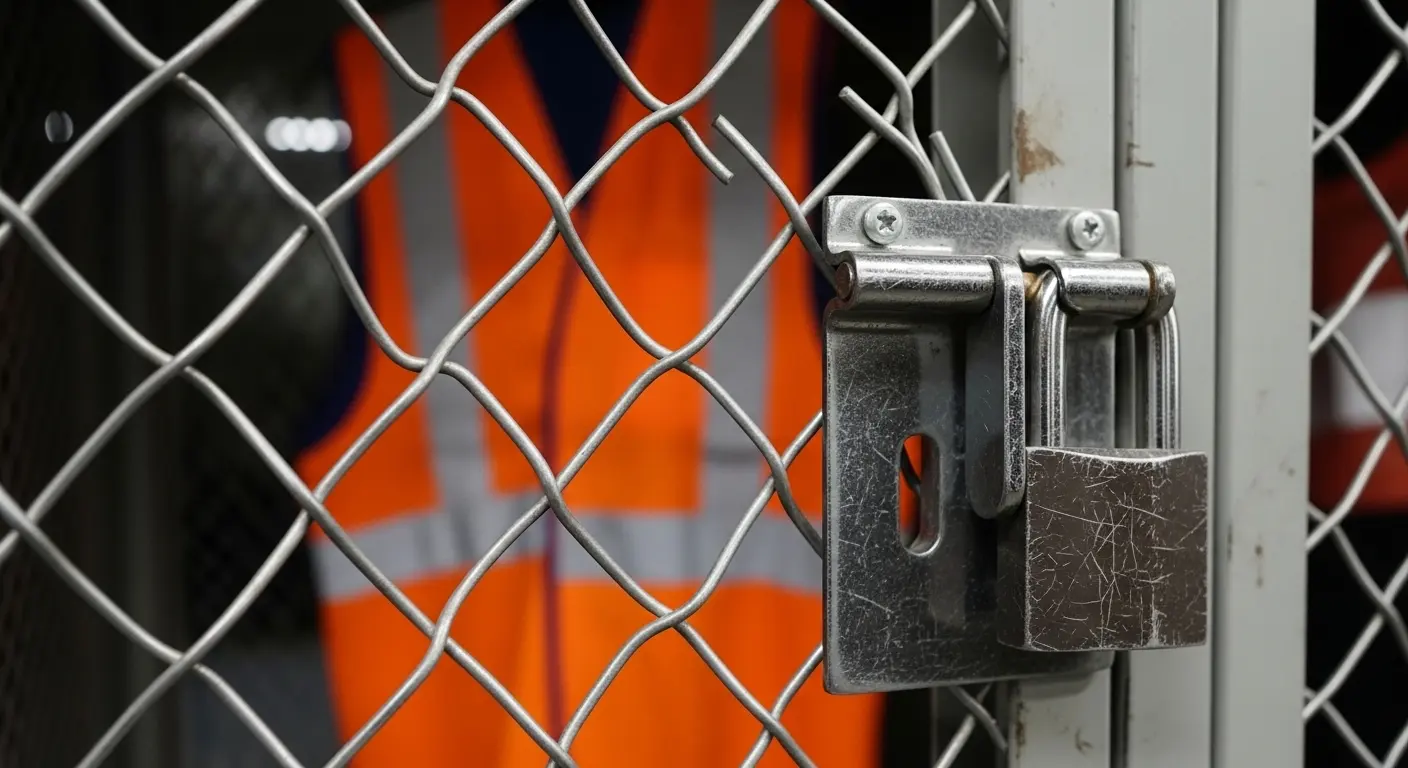
High-quality mesh lockers feature 8mm solid rod frames, 10-to-12-gauge welded wire, and a durable zinc or powder-coated finish. The "all-welded" construction ensures the frame does not warp or rack under heavy loads. You should look for units with reinforced door hinges and a secure "hasp and staple" locking mechanism that accommodates heavy-duty padlocks.
- Wire Gauge: Lower numbers (like 10-gauge) are thicker and stronger.
- Frame Design: Box-section or rod frames provide the skeleton of the unit.
- Nesting: Many units are "nested" (joined together) to save space and material costs.
- Legs vs. Flat Base: Legs raise the unit 150mm off the floor for easier cleaning.
In my experience, the finish is what determines the lifespan. If your lockers will be in a damp basement, a mesh tenant storage locker with a zinc finish is best. Zinc acts as a sacrificial layer that prevents rust from reaching the core steel, even if the surface is scratched by heavy items.
How do mesh lockers assist with fire safety compliance?
Mesh lockers assist with fire safety by allowing water from overhead sprinkler systems to penetrate the storage area. Solid lockers act like umbrellas, shielding a potential fire from being extinguished. Additionally, smoke and heat pass through the mesh instantly, allowing building sensors to trigger faster and preventing a smoldering fire from spreading undetected.
Many fire marshals now mandate mesh for high-density storage zones. If a fire starts inside a solid locker, the metal insulates the heat, creating an oven effect.
Tip: If your facility has low ceilings, consider atopless wire partition mesh locker. This allows for maximum clearance and ensures no fire safety "dead zones" are created near the ceiling.
This "open-weave" approach isn't just about seeing the fire; it's about letting the suppression system do its job. [Research suggests that sprinkler efficiency is improved by up to 60% in facilities using wire mesh storage compared to solid steel cabinets.]
How do you install and maintain mesh lockers for longevity?
To install mesh lockers, you must anchor them to both the floor and the wall using expansion bolts. Maintenance is minimal; simply wipe the mesh with a damp cloth or blow out dust with compressed air. Periodically check the hinge pins and locking hasps for smooth operation and apply a light lubricant if they begin to squeak.
Installation is where most people cut corners. Because mesh is lighter than solid steel, managers think they can leave them free-standing. Never do this. A full locker has a high center of gravity. If an employee pulls on a heavy bag, the whole unit can tip.
- Level the base: Use shims if the floor is uneven to prevent door misalignment.
- Anchor points: Secure the unit to the wall at the top and the floor at the base.
- Check welds: Monthly, walk through and check for any broken wire intersections.
- Finish care: Touch up any scratches with a zinc spray to prevent surface rust.
One of the best maintenance benefits is that dust doesn't "hide" in mesh. You can see exactly when a locker needs a vacuum. This "visual maintenance" saves hours of labor for your cleaning crew every month.
Mesh vs. Solid Lockers: Which one should you choose?
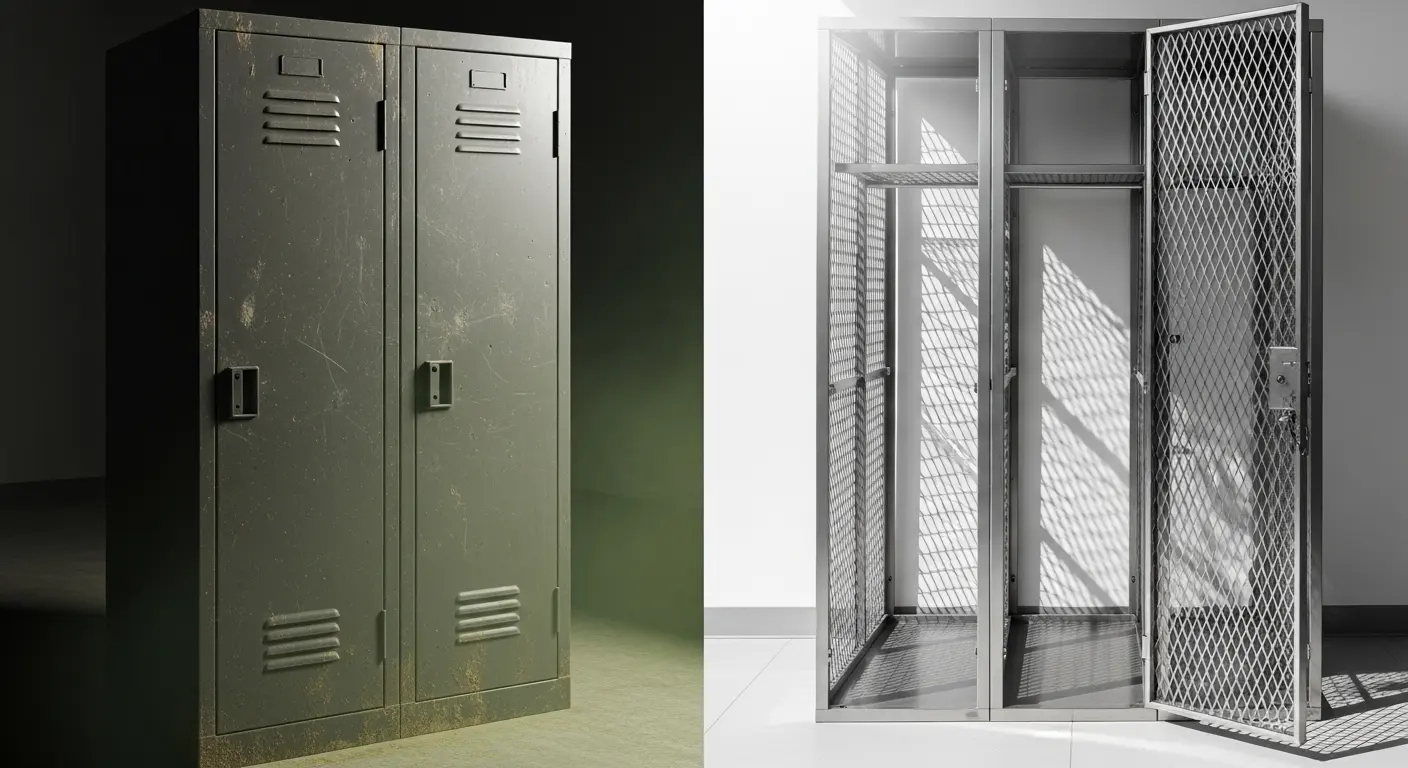
Choose mesh lockers if your priority is ventilation, security audits, and fire safety. Choose solid lockers if your priority is 100% privacy and a sleek, colorful aesthetic. For most industrial, warehouse, and residential storage needs, mesh is the superior choice because it lasts longer and requires less administrative management.
| Feature | Mesh Lockers | Solid Steel Lockers |
| Privacy | Low (Visible) | High (Hidden) |
| Ventilation | High (Excellent) | Low (Vented only) |
| Theft Deterrent | High (Visual Audit) | Moderate (Physical Lock Only) |
| Cleaning | Easy (Dust falls through) | Moderate (Corners trap dirt) |
| Fire Safety | High (Sprinkler Friendly) | Moderate (Can block water) |
If you are outfitting a high-end office lobby, solid might be the look you want. But if you are outfitting the "back-of-house" or an industrial floor, mesh is the only logical choice. It is a "working" piece of furniture that contributes to the safety of the entire building.
Frequently Asked Questions
Are mesh lockers less secure?
No. While people can see inside, the physical strength of the welded wire is equal to or greater than sheet metal. The visibility actually increases security by preventing the storage of contraband and reducing internal theft.
Can I get mesh lockers in different colors?
Yes. While silver zinc is the standard for industrial use, many manufacturers offer powder-coated finishes in various colors. This allows you to match your company's branding while maintaining all the benefits of wire mesh.
Are they hard to keep clean?
Actually, they are easier to clean than solid units. Because air flows through them, dust doesn't settle in thick layers. Most dirt falls through to the floor, where it can be vacuumed up without ever opening a locker door.
How do I know what size I need?
Standard sizes usually range from 305mm wide to 457mm wide. If your employees store heavy coats and bags, go for the larger 457mm depth. For small personal items like phones and wallets, multi-tier compartments are the most space-efficient.
What is the lead time for industrial mesh storage?
Standard units are often available for immediate shipping. Customized configurations or specialized gauges typically have a lead time of 4 to 8 weeks, depending on the manufacturer's capacity.
Summary of Mesh Storage Benefits
Understanding what are mesh lockers is about realizing that storage can be more than a passive box. It is a proactive system for ventilation, security, and fire safety. By moving away from dark, enclosed cabinets, you are choosing a more transparent and accountable facility culture. These units are durable, low-maintenance, and designed to handle the grit of modern industrial life.
Whether you need to save your basement space or protect a massive construction site, mesh is the proven solution. Invest in the light, the air, and the visibility that only wire mesh can provide. Your gear—and your employees—will breathe easier for it.
