
How to Write a School Phone Locker Policy That Works (Step-by-Step)
An effective school phone locker policy requires a clear definition of "bell-to-bell" storage, explicit liability disclaimers, and a structured procedure for managing physical hardware. By shifting from a general "ban" to a secure storage requirement, schools can significantly reduce classroom distractions while ensuring devices remain safe and accessible for emergencies.
With a robust policy in place, you will:
- Establish clear expectations for student device storage.
- Protect the school from liability regarding lost or damaged hardware.
- Reduce morning hallway congestion during device drop-off.
- Ensure compliance with state-level "Away for the Day" legislation.
- Manage medical and emergency exceptions with professional consistency.
Why Your Storage Policy Needs a Physical Locker Focus
While many schools attempt to implement "away for the day" policies by asking students to keep phones in backpacks, this often leads to "pocket-checking" and surreptitious use under desks. A physical locker-based policy creates a definitive psychological and physical boundary between social time and learning time. By requiring students to place devices in dedicated cell phone lockers, administrators remove the temptation entirely and provide a higher tier of security than a standard locker or bag.
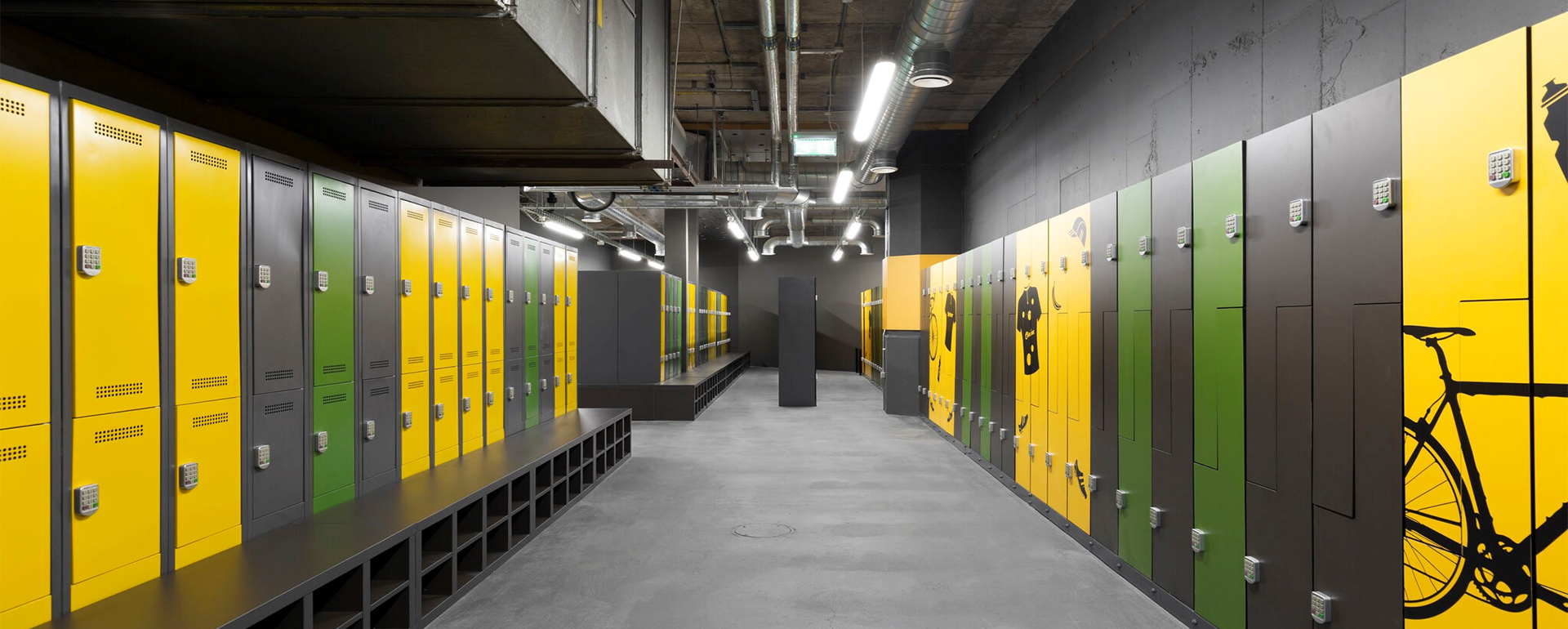
To ensure the policy doesn't hinder school operations, the physical layout of these units is critical. Implementing a localized storage strategy ensures students aren't trekking across campus just to secure a device. For a smooth rollout, schools should evaluate what’s the best phone locker layout for hallways and entrances to minimize bottlenecks during the morning rush.
Common mistakes:
- Making locker use "optional," which creates inconsistent enforcement across classrooms.
- Failing to provide enough units for the total student headcount, leading to "overflow" storage in unsecured bins.
5 Essential Components of a School Phone Locker Policy
1. Definition of "Bell-to-Bell" Access
The policy must explicitly state when phones must be secured. A "bell-to-bell" policy typically requires phones to be powered off and locked from the first warning bell of the day until the final dismissal bell. This prevents the "vibration distraction" that occurs when phones are merely silenced but still physically present.
2. Proper Storage Procedures (Power Off & Lock)
Drafting clear instructions is vital. Students should be required to:
- Power down the device (to prevent battery drain or overheating in confined spaces).
- Secure the device in their assigned locker.
- Verify the lock is engaged before heading to class.
3. Liability and Damage Disclaimers
This is the most important legal component. Your policy should include a clause such as: "The school provides secure storage as a courtesy; however, the school is not responsible for any damage, loss, or theft of electronic devices stored within. Use of school lockers constitutes an agreement to these terms." To ensure long-term reliability of the units themselves, administrators should research what warranty should you expect on phone lockers to protect the school's investment.
4. Clear Disciplinary Escalations
Define what happens when a student bypasses the locker. A common progression includes:
- First Offense: Verbal warning and immediate locker storage.
- Second Offense: Device confiscated and held in the main office until the end of the day.
- Third Offense: Parent/Guardian must pick up the device.
5. Emergency and Medical Exceptions
Your policy must account for Section 504 and IEP requirements. Students using phones for blood glucose monitoring or other medical necessities must have a "Permit to Carry" or a specific designated locker in a high-traffic area (like the nurse’s office) for quick access.
A Step-by-Step Guide to Drafting the Policy
Writing the policy is only half the battle; implementation requires a phased approach. Start by consulting with a committee of teachers, parents, and student council members to identify potential friction points.
Once the draft is ready, follow these steps:
- Notice Period: Provide at least 30 days of notice to parents before the policy becomes active.
- Hardware Selection: Choose lockers that fit your specific demographic (e.g., clear doors for high-security environments).
- Pilot Program: Test the policy in one wing or grade level for two weeks to identify logistical gaps.
- Final Rollout: Issue locker assignments and keys/combinations alongside the signed policy agreement.
Common mistakes: * Implementing the policy mid-semester without prior parent workshops.
- Forgetting to update the student handbook to reflect the new locker-specific rules.
Managing the Logistics: Keys, Codes, and Bottlenecks
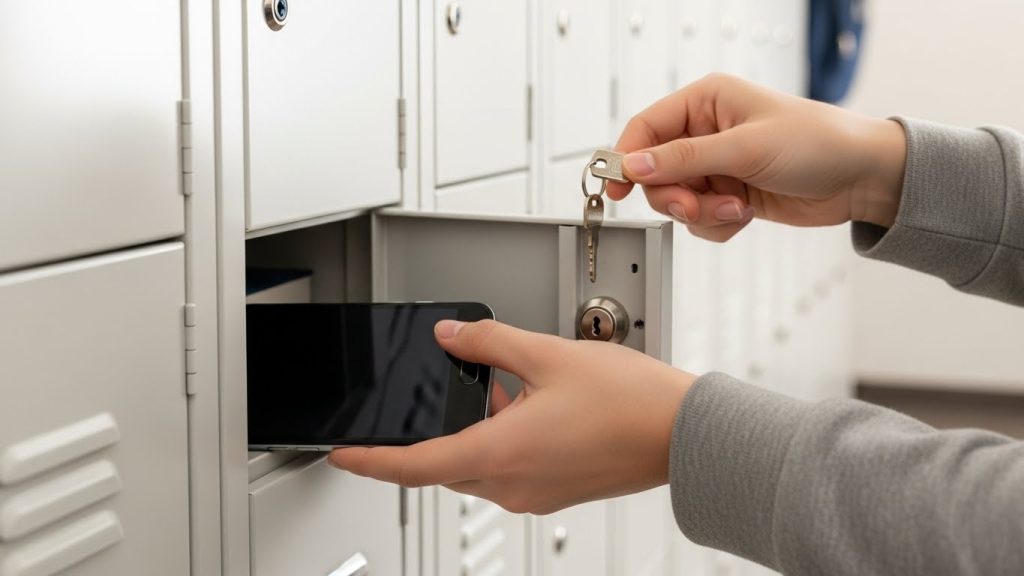
The primary objection to locker policies is the time it takes to secure devices. To mitigate this, schools often use "The 2-Minute Drop" rule, where the first two minutes after the warning bell are dedicated solely to locker access.
If you are using key-based systems, have a centralized master key located in the administrative office to handle "lost key" scenarios quickly. If you are still in the planning stages, keep in mind that lead times vary; understanding how long it takes to order and install phone lockers is essential for meeting a specific "Back to School" deadline.
Mini-Template: Key Management Checklist
- [ ] Assign one student per locker number.
- [ ] Maintain a digital log of all combination codes or duplicate keys.
- [ ] Schedule a "Locker Cleanout" once per quarter to ensure units remain functional.
Addressing Legal, Safety, and Equity Concerns
Administrators must stay current on state legislation regarding student property. For example, some states have passed laws that mandate schools provide a "distraction-free" environment, which provides a legal shield for locker-based policies.
Ensure equity by providing lockers to all students at no cost. If a student does not own a phone, they should still be assigned a locker to prevent "profiling" or identifying students based on their socioeconomic status or device ownership. For safety, ensure your policy includes a "Crisis Protocol" that explains how students will receive their devices in the event of an early school closure or emergency.
FAQ: Common School Storage Questions
Generally, schools are not liable if they provide reasonable security and have a signed liability waiver in the student handbook. Most policies state that students use lockers at their own risk.
Students with documented medical needs (such as diabetes monitoring) should be granted an exemption. This is typically managed through a specialized ID sticker or a dedicated locker in the health office.
Administrators should maintain a master key or code list. A small administrative fee is often charged for key replacement to encourage student responsibility.
Lockers are usually considered school property. Under most jurisdictions, school officials may search lockers if there is "reasonable suspicion" of a policy violation or safety risk.
Theft is best prevented by using high-quality cell phone lockers with individualized locks and ensuring the units are placed in areas with high visibility or security camera coverage.
Installation timelines vary based on the number of units and customization. Generally, schools should begin the procurement process at least 8–12 weeks before the start of the school year.
Conclusion
Writing a school phone locker policy is about more than just banning devices; it is about creating an environment where students can focus on learning without the constant pull of digital notifications. By combining clear language, fair enforcement, and high-quality hardware, you can transform your school culture for the better.
