
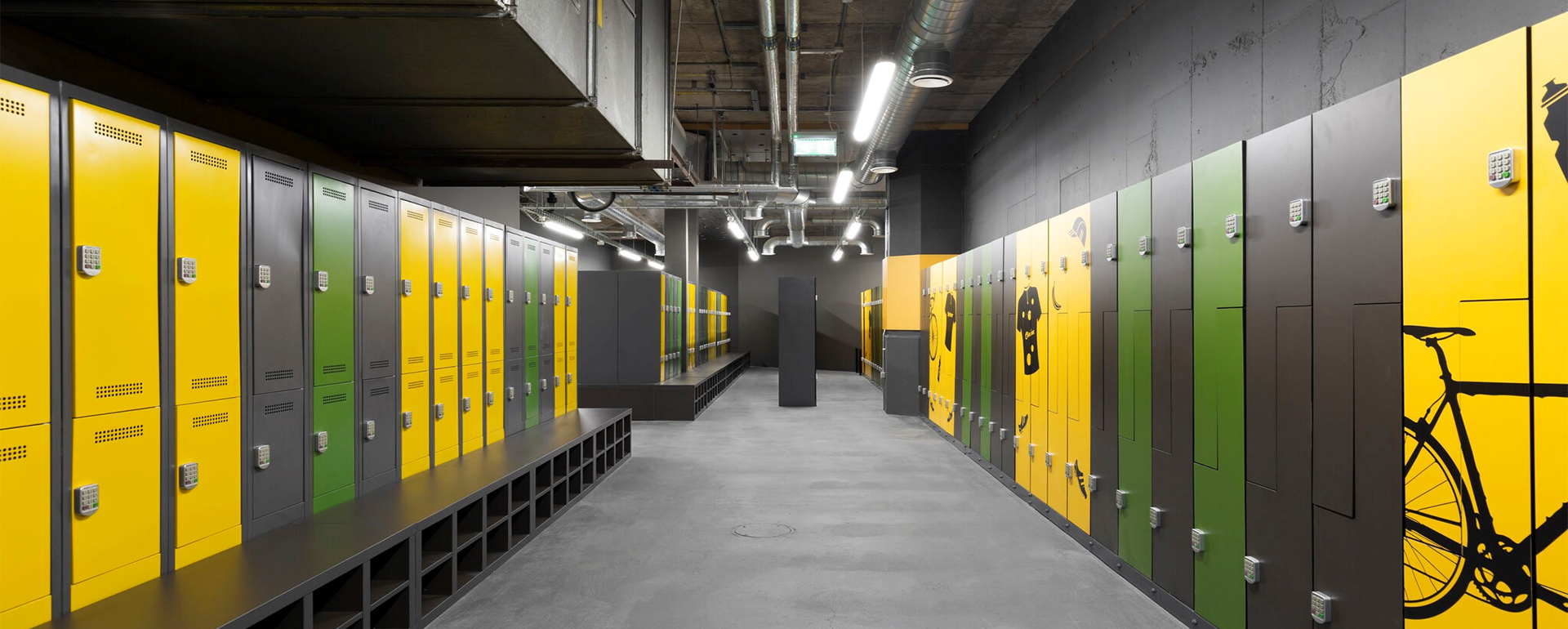
What Security Features Should a Phone Locker System Include?
A secure phone locker system must include high-gauge steel construction, advanced locking mechanisms like RFID or digital PINs, and integrated thermal ventilation. These features ensure that devices are protected not only from physical theft but also from overheating and unauthorized administrative access.
When planning your facility’s security strategy, focusing on these core elements will help you maintain a safe, phone-free environment:
- Locking Technology: Choose between digital PIN, RFID, or mechanical keys.
- Material Strength: Verify steel gauge and anti-pry door designs.
- Safety Compliance: Ensure adequate airflow for charging devices.
- Management Control: Implement master overrides and audit trails.
- Environmental Suitability: Match materials to your specific humidity and usage levels.
1. Advanced Locking Mechanisms: PIN, RFID, and Beyond
The lock is the first line of defense for any cell phone lockers. In 2026, the industry has shifted away from simple padlocks toward integrated electronic solutions that offer better security and easier management.
Digital PIN locks allow users to set their own codes, which is ideal for "hot-desking" or gym environments. For corporate settings, RFID locks are often superior as they can be integrated with existing employee ID badges (such as HID or Mifare systems). Emerging technologies now even support Apple and Google Wallet NFC, allowing users to unlock a compartment using their smartphone—though this requires a clear policy on how they access the locker to retrieve the phone at the end of the day.
Common Locking Mistakes:
- Using 3-Digit Dials: These are easily decoded by "feeling" the clicks and offer thousands fewer combinations than a 4-digit electronic PIN.
- Static Codes: Failing to reset codes between users leads to "locker squatting" and security breaches.
- No Battery Indicator: Choosing electronic locks without low-battery warnings can result in users being locked out when the power fails.
2. Physical Integrity: Materials and Tamper-Resistance
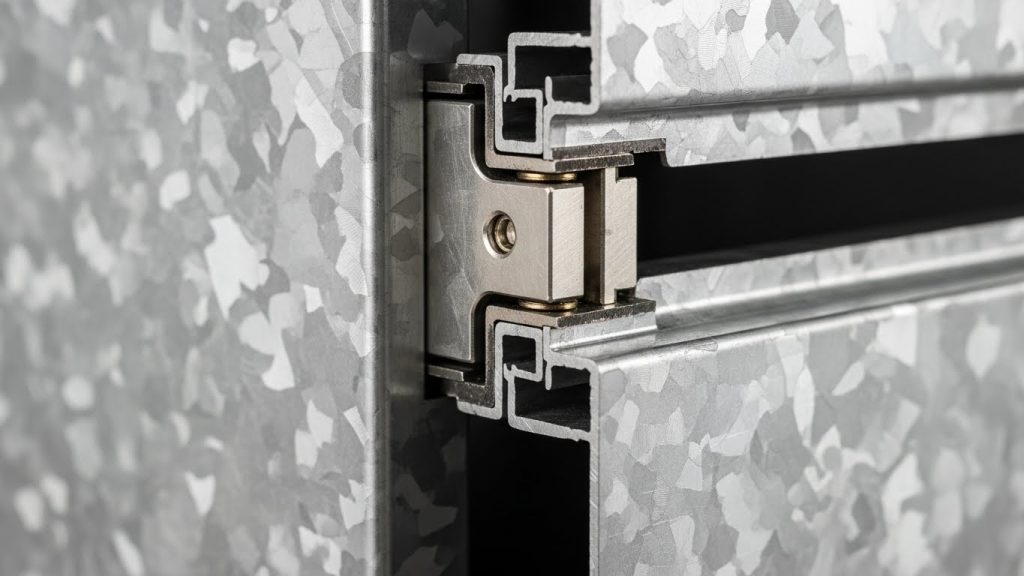
A locker is only as secure as the frame holding it together. For high-security environments, look for industrial-grade 1.0mm (20-gauge) galvanized steel. This thickness provides the necessary rigidity to resist prying and "oil-canning"—the popping sound thin metal makes when pressured.
Tamper-resistance also depends on the hinge design. Concealed hinges are vital because they prevent an intruder from knocking out a hinge pin to remove the door entirely. Furthermore, high-pressure laminate (HPL) or Phenolic materials are excellent for humid areas where metal might eventually corrode, potentially weakening the locking points over time. Beyond the box itself, many buyers wonder can phone lockers store tablets and small devices too? While they can, the physical weight of larger devices requires reinforced shelving and more robust anchoring to maintain structural integrity.
Physical Security Checklist:
- Steel Gauge: Minimum 1.0mm for doors and frames.
- Hinges: Internal or wrap-around "anti-pry" hinges.
- Finish: Anti-corrosion powder coating to prevent structural weakening through rust.
- Anchoring: Pre-drilled holes for wall or floor mounting to prevent the entire unit from being stolen.
3. The "Silent" Security: Ventilation and Thermal Safety
Safety is a critical subset of security. As mobile batteries become more powerful, storing dozens of devices in an airtight metal box creates a thermal risk. If a device has a faulty battery, it can overheat, leading to a "thermal runaway" event.
True security includes passive or active ventilation. Passive ventilation involves laser-cut slots that allow heat to rise and escape naturally. If your lockers include charging ports, active ventilation (fans) may be necessary to maintain a safe operating temperature. While the metal casing provides some physical protection, users often ask do phone lockers block cell signal and if that affects safety. Generally, standard steel lockers do not act as perfect Faraday cages, but they can reduce signal strength; however, the primary concern remains the heat generated while the phone searches for a signal in a confined space.
Common Mistakes:
- Blocked Vents: Placing lockers flush against a wall without rear spacers, cutting off airflow.
- Overcrowding: Forcing multiple devices into a single small slot, which traps heat between the batteries.
4. Administrative Security: Master Overrides & Audit Trails
Security isn't just about keeping people out; it’s about how managers get in when things go wrong. Every system needs a master override—either a physical master key or a digital master code.
For high-security corporate or government sites, an "Audit Trail" is a non-negotiable feature. This is a digital log that records every time a locker is opened, which user accessed it, and if a master override was used. This prevents internal theft and provides a clear chain of custody for sensitive devices. If a student or employee leaves the premises without clearing their locker, the administrator can safely reset the unit. To maintain these systems properly, ensure you follow a guide on how to clean and sanitize phone lockers to prevent dirt buildup from interfering with the electronic keypads or sensors.
5. Industry-Specific Security Requirements
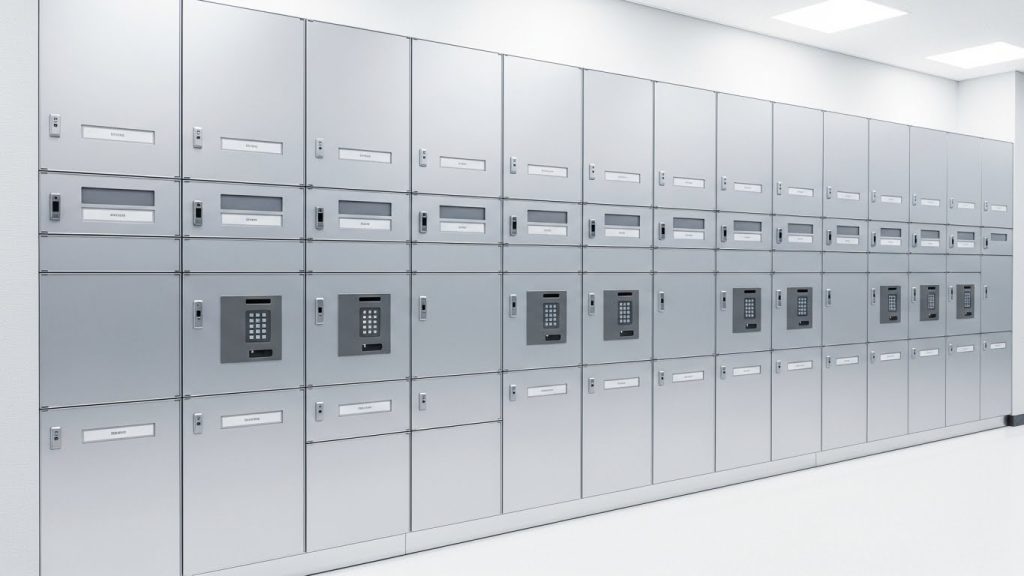
Different environments demand different levels of protection. There is no "one size fits all" when it comes to facility security.
Educational Settings
In schools, durability is the priority. Students are often rough on equipment, so heavy-duty mechanical locks or simple, rugged digital PIN pads are best. Avoid fragile touchscreens and prioritize 1.0mm steel to withstand daily impact.
Corporate & Government
High-security zones require audit trails and integration with building access control. These lockers should ideally be networked, allowing the security team to lock down the entire bank of lockers remotely during an emergency.
Gyms & Public Areas
For high-traffic public areas, "One-Time Use" modes are essential. This allows a user to choose a code, use the locker once, and then the code is automatically cleared for the next person, preventing long-term occupancy of shared resources.
Frequently Asked Questions
An RFID lock integrated with an encrypted building access system is generally considered the most secure. It eliminates the risk of "guessed" PINs and provides a digital audit trail of every entry.
While any electronic device has theoretical vulnerabilities, professional-grade phone lockers use encrypted protocols. Most "breaches" occur due to simple human error, such as using weak master codes like "0000" or "1234."
Most electronic phone lockers feature a battery backup or an external power jump-start point. This allows you to touch a 9V battery to the exterior contacts to power the screen long enough to enter a code and retrieve the device.
Physical keys are reliable and don't require batteries, but they are a management nightmare if lost. Digital locks are preferred for large-scale facilities because codes can be reset instantly without the cost of replacing lock cylinders.
Yes, you should always have a physical master key or a "Master Override Code." This ensures that facility managers can access the compartments in the event of an emergency or a forgotten user PIN.
Conclusion
Selecting the right security features for your phone locker system requires a balance between physical toughness and administrative intelligence. By prioritizing high-gauge steel, proper ventilation, and advanced locking mechanisms with audit trails, you protect both the devices and the integrity of your facility.
