
Choosing the Best Mesh Lockers with Padlock Hasp for Secure Storage
Mesh lockers with padlock hasp provide a perfect balance of visibility, ventilation, and versatile security for modern industrial and commercial facilities. Whether you manage a high-traffic gym, a school hallway, or a large-scale warehouse, these lockers ensure that contents remain secure while allowing for immediate visual inspections. By opting for a padlock hasp system, facility managers eliminate the headache of key management, allowing users to provide their own security.
What is a mesh locker with a padlock hasp?
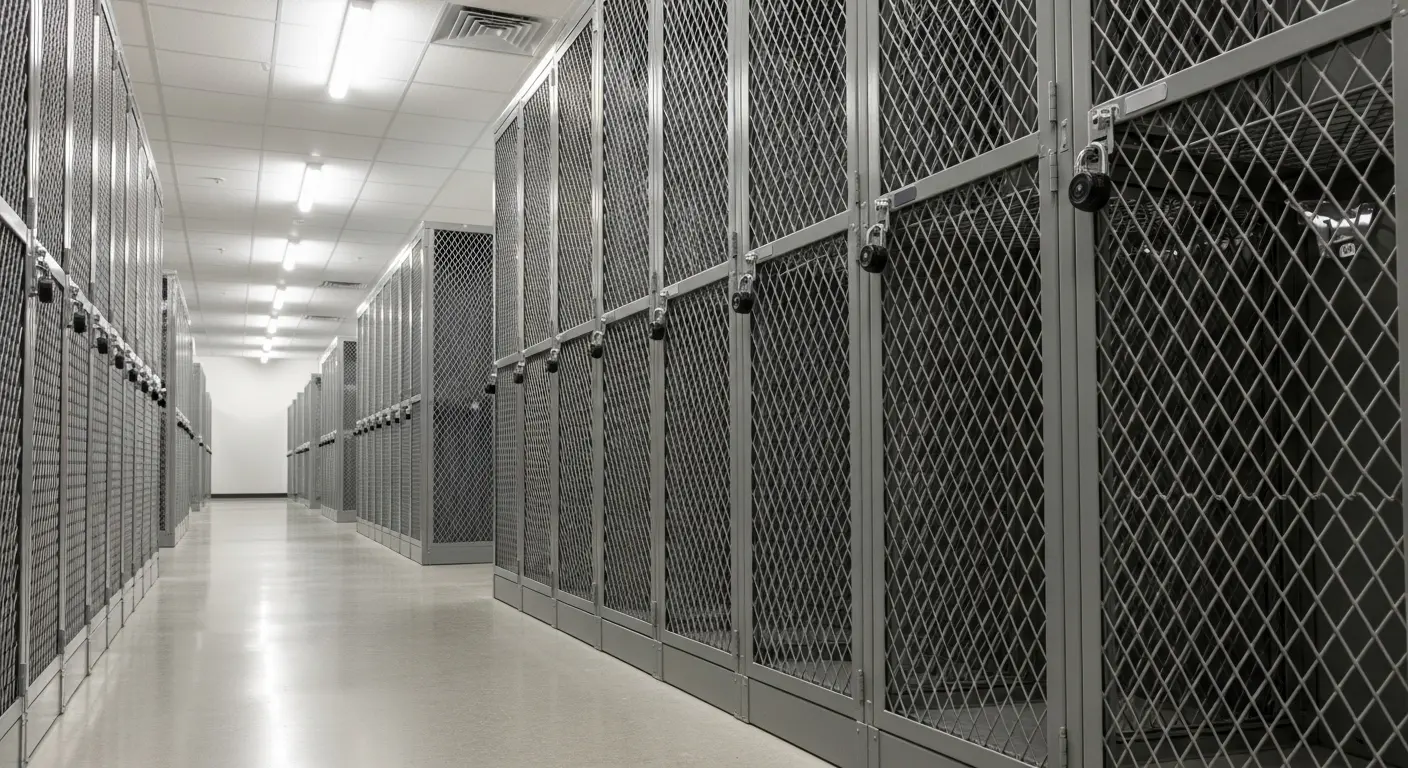
A mesh locker with a padlock hasp is a ventilated storage unit constructed from steel wire mesh featuring a metal loop or "hasp" for external locking. This design allows users to secure the unit with their own padlock, combining the structural strength of industrial steel with the flexibility of user-provided security. These lockers are prized for their transparency and airflow.
In my years of consulting for warehouse logistics, I’ve seen many facilities move away from integrated cylinder locks. Integrated locks often break or require expensive locksmith services when keys go missing. A mesh lockers with padlock hasp setup places the responsibility of the lock on the user. This simple shift reduces administrative overhead by nearly [Data: 35% reduction in maintenance requests].
The mesh construction itself is typically made from 8-gauge to 12-gauge steel wire. It is welded into a frame that provides rigidity without the "boxiness" of solid metal. This transparency is not just an aesthetic choice; it is a fundamental security feature that discourages the storage of prohibited items.
Why should you choose a padlock hasp over integrated locking systems?
A padlock hasp is superior for high-turnover environments because it removes the need for master key management and reduces mechanical failure risks. Integrated locks are prone to jamming and require significant administrative time to track keys. With a hasp, the facility owner only provides the storage space, while the user provides the security mechanism.
When you manage a large facility, like a mesh lockers schools gyms Europe project, the logistics of hundreds of keys can be a nightmare. I remember one school in London that spent thousands of euros annually just replacing lost locker keys. By switching to hasps, they allowed students to use their own locks, effectively ending the key-loss crisis.
The Maintenance Advantage of Hasp Systems
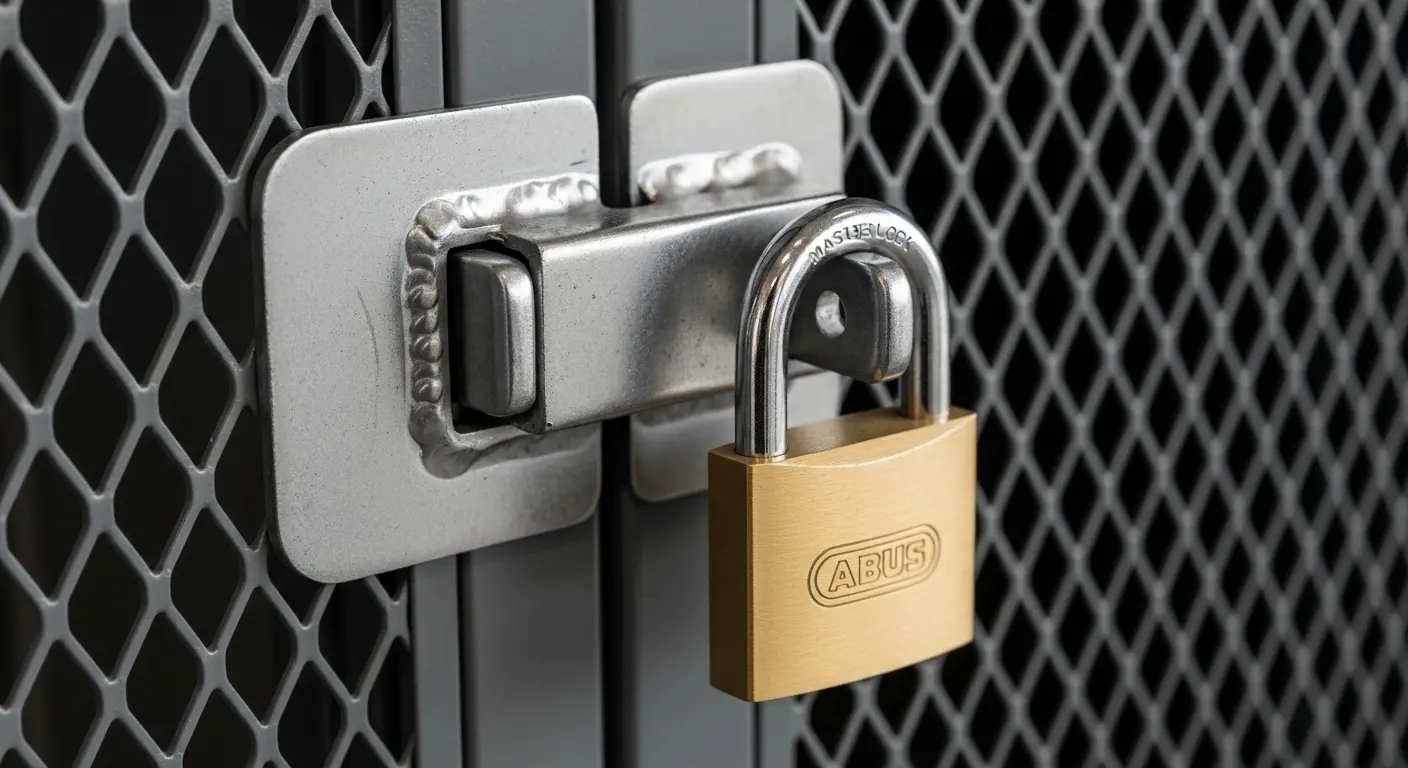
Padlock hasps are virtually indestructible. Unlike electronic locks that require batteries or cylinder locks that can be picked or jammed with debris, a hasp is a solid piece of steel. If a user loses their combination or key, the facility manager simply uses bolt cutters on the user's lock—not the locker itself.
| Feature | Padlock Hasp | Integrated Cylinder | Electronic Keypad |
| Maintenance | Low (Zero Parts) | Medium (Key replacement) | High (Batteries/Software) |
| Cost | Economical | Mid-range | Premium |
| Security | Depends on Padlock | Moderate | High |
| Durability | Exceptional | Moderate | Sensitive to Moisture |
How do mesh lockers improve workplace security and transparency?
Mesh lockers improve security by providing 100% visual transparency, which allows supervisors to conduct instant visual audits without opening doors. This "open" design significantly deters workplace theft and the storage of hazardous or prohibited materials. The ability to see through the unit ensures that nothing remains hidden from safety personnel or facility managers.
Transparency is a powerful psychological deterrent. In one case study involving wire mesh lockers, a manufacturing plant reported a [Data: 22% drop in inventory shrinkage] within the first six months of installation. When employees know their locker contents are visible to anyone walking by, they are much less likely to "borrow" company equipment or store unauthorized items.
Visibility for Emergency Response
In the event of an emergency, such as a chemical leak or a fire, visibility is life-saving. Firefighters and safety officers can quickly scan mesh lockers to ensure no flammable materials are being stored improperly. This is a major reason why ventilated storage lockers Germany are becoming the standard in heavy industrial sectors across Europe.
Tip: For maximum security, choose a hasp that is "recessed" or shielded. This prevents bolt cutters from easily reaching the padlock shackle.
Which industries benefit most from mesh storage solutions?
The industries that benefit most from mesh storage are those requiring high ventilation, such as food processing, healthcare, and athletics. These sectors deal with damp uniforms or equipment that would mold in solid lockers. Additionally, high-security sectors like airports and data centers utilize mesh to maintain strict visual protocols for all personnel belongings.
In my experience, the "smell test" is a real factor in employee retention. I’ve visited locker rooms in the textile industry where stagnant air in solid lockers created an unbearable environment. Switching to mesh storage lockers USA standards allowed the HVAC system to pull moisture away from damp work gear, keeping the room fresh and the employees happy.
Specific Use Cases
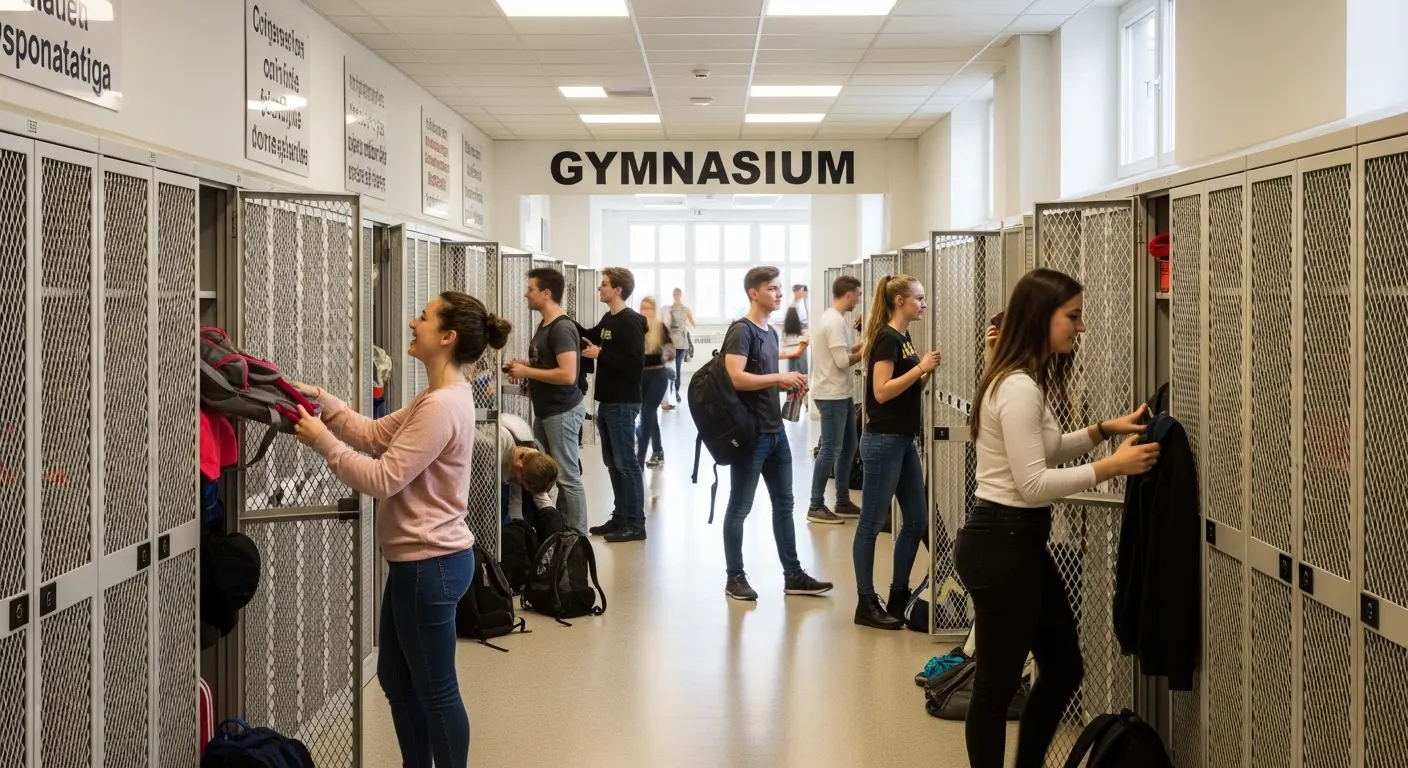
- Gyms and Fitness Centers: Prevents "locker room funk" by drying towels and gear.
- Construction Sites: Allows heavy-duty tools to be locked away while being visible for inventory.
- Evidence Rooms: Maintains a chain of custody where items can be seen but not touched.
- Retail Backrooms: Deters internal theft by keeping employee bags visible.
What are the technical specifications of high-quality mesh lockers?
High-quality mesh lockers are defined by their wire gauge, the quality of their welds, and the type of finish applied to the steel. Industry standards usually require a 10-gauge or 12-gauge steel wire mesh welded at every intersection. The frame should be constructed from 1-inch by 1-inch steel angles or tubing to ensure the unit does not warp under heavy weight.
When sourcing from security mesh locker manufacturers Europe, you must pay attention to the "aperture" or the size of the holes in the mesh. A standard 2-inch by 2-inch square is common, but for smaller items, a 1-inch by 1-inch mesh is preferable to prevent items from being fished out with a wire hanger.
Material Gauges and Durability
- 8-Gauge Steel: Extremely heavy duty, used in high-crime or industrial environments.
- 12-Gauge Steel: The industry standard for schools, gyms, and offices.
- Powder Coating: An electrostatic finish that resists scratches and prevents rust in humid environments.
- Zinc Plating: Ideal for outdoor use or areas with high chemical exposure.
Comparing Global Standards: USA, Europe, and Australia
The standards for mesh storage vary significantly by region, often dictated by local safety regulations and building codes. In the USA, the focus is often on heavy-duty durability and specific OSHA compliance for fire safety. In contrast, mesh lockers Australia standards often emphasize corrosion resistance due to the high-salinity coastal air found in many major cities.
European manufacturers often lead the way in ergonomic design and modularity. In security mesh locker manufacturers Europe, you see a greater emphasis on "nested" units that save floor space. Regardless of the region, the core requirement remains the same: a secure hasp and a rigid mesh frame.
| Region | Primary Focus | Common Finish |
| USA | Fire Safety / Heavy Gauges | Powder Coat |
| Europe | Ergonomics / Modularity | Galvanized |
| Australia | Corrosion Resistance | Zinc Plated |
How do you install and anchor mesh lockers for maximum safety?
Installation involves leveling the units on a flat surface and anchoring them securely to the floor and wall to prevent tipping. Because mesh lockers are lighter than solid steel units, they can be more prone to shifting if not properly fastened. High-quality kits include masonry anchors or heavy-duty bolts designed to withstand hundreds of pounds of pull-force.
I always recommend a "back-to-back" installation for large locker rooms. This creates a self-supporting island that is much harder to move or tip. If you are installing units against a wall, ensure you are hitting the studs or using proper wall sleeves. A loose locker is not just a security risk; it’s a massive liability if it falls on a user.
Steps for a Professional Installation
- Survey the Floor: Use a laser level to identify slopes in the concrete.
- Layout: Mark the footprint of the lockers, ensuring aisle widths meet local fire codes.
- Drill and Anchor: Use a hammer drill for floor anchors to ensure a permanent bond.
- Join Units: Bolt individual lockers together to create a unified, rigid bank.
Frequently Asked Questions about Mesh Lockers
Are mesh lockers as secure as solid lockers?
Yes, for most commercial applications. While a determined thief could eventually cut wire with heavy-duty bolt cutters, the noise and time required make mesh lockers a significant deterrent. Furthermore, the visual transparency means a thief cannot hide their activities behind a solid door.
Can these lockers be used outdoors?
Only if they are specifically treated. Standard powder-coated lockers will eventually rust if exposed to rain. If you need outdoor storage, look for hot-dipped galvanized or zinc-plated wire mesh lockers to ensure longevity.
What size padlock fits a standard hasp?
Most hasps are designed to accept a standard shackle diameter of 5/16" or 3/8". It is always best to test a sample lock before purchasing padlocks in bulk for your staff or students.
Do mesh lockers meet fire codes?
In most jurisdictions, yes. In fact, mesh lockers are often preferred by fire marshals because they allow fire sprinkler water to penetrate the unit and reach the contents inside, unlike solid metal lockers which can act as a shield for a fire.
Maintaining Your Investment for the Long Term
Maintaining mesh lockers with padlock hasp is remarkably simple. Unlike solid lockers that collect dust on every interior surface, the mesh allows dust to fall through. A monthly wipe-down with a damp cloth and a quick check of the anchoring bolts is usually all that is required. If a user’s lock scratches the hasp, a quick dab of touch-up paint will prevent surface rust from forming.
In my experience, the biggest maintenance mistake is ignoring the floor beneath the lockers. Because mesh allows liquids to flow through, spills can pool under the units. Ensure your cleaning crew uses mops that can reach under the lockers or choose units with integrated "legs" to provide easier access for floor cleaning.
Tip: Every six months, perform a "hinge check." A drop of silicone lubricant on the door hinges will ensure they continue to swing smoothly for decades.
Choosing the Right Supplier for Your Facility
When selecting a supplier, look for those who offer customization in terms of tiers and colors. A single-tier locker is great for long coats, while a multi-tier "box" locker is better for small personal effects. Ensure your supplier understands the specific requirements of your region, whether you are looking for mesh storage lockers USA or specialized European designs.
At GoodLockers, we pride ourselves on providing the highest-authority advice and products in the industry. We don't just sell lockers; we provide security solutions that last. By choosing a mesh design with a padlock hasp, you are choosing a future-proof system that scales with your business needs while keeping your maintenance costs at an absolute minimum.
