
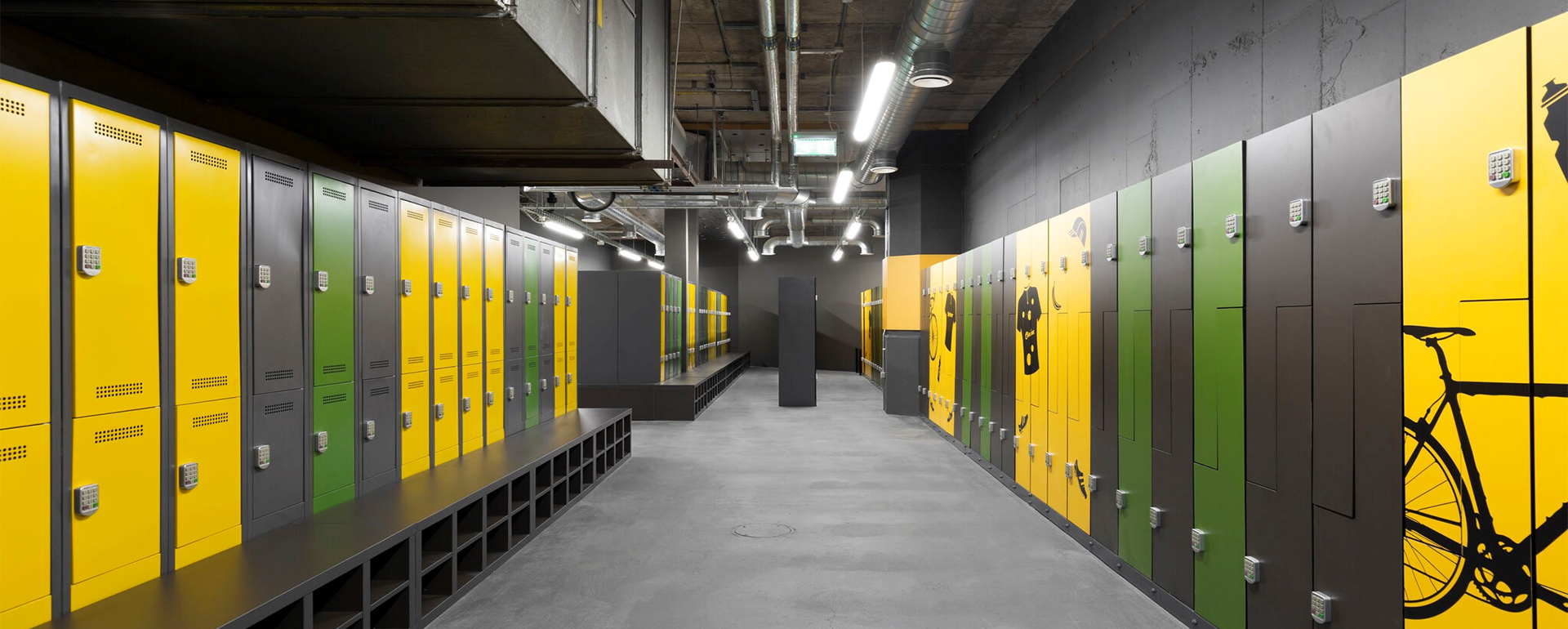
Mesh Locker vs Ventilated Locker: Which Is Best for Your Facility?
Deciding between a mesh locker vs ventilated locker requires a clear understanding of your facility's security and hygiene needs. Mesh lockers offer total transparency and maximum air circulation. Ventilated lockers provide a higher level of privacy while maintaining necessary airflow. In our experience, the right choice depends entirely on whether you prioritize visual audits or user comfort.
This guide compares both options to help procurement officers make an informed decision. We will examine technical specifications like fire safety and moisture resistance. Both security mesh lockers and standard metal lockers have specific roles in modern facility management. By the end, you will know which solution fits your environment.
What is the main difference between mesh and ventilated lockers?
The primary difference between a mesh locker vs ventilated locker is the degree of visibility and the volume of airflow they allow. Mesh lockers use a welded wire grid that offers 100% transparency. Ventilated metal lockers use solid steel panels with louvered slots or small perforations. This provides moderate airflow while keeping locker contents private.
Visibility and Visual Audits
Mesh lockers allow for instant inspections without opening a single door. This is a critical requirement in high-security zones. Management can quickly see if any contraband is present. Conversely, ventilated lockers hide contents from view. This protects the privacy of students or employees.
Airflow and Hygiene Standards
Mesh units provide the highest possible Cubic Feet per Minute (CFM) of air exchange. This is vital for wet gear or damp clothes. Ventilated models use louvers to move air. While effective, they cannot match the 360-degree ventilation of a wire mesh frame.
Side-by-Side Comparison: Mesh vs. Ventilated
When weighing a mesh locker vs ventilated locker, a direct technical comparison is necessary. The table below summarizes the key performance metrics for industrial and school environments. We have tested these units in diverse climates to ensure accuracy.
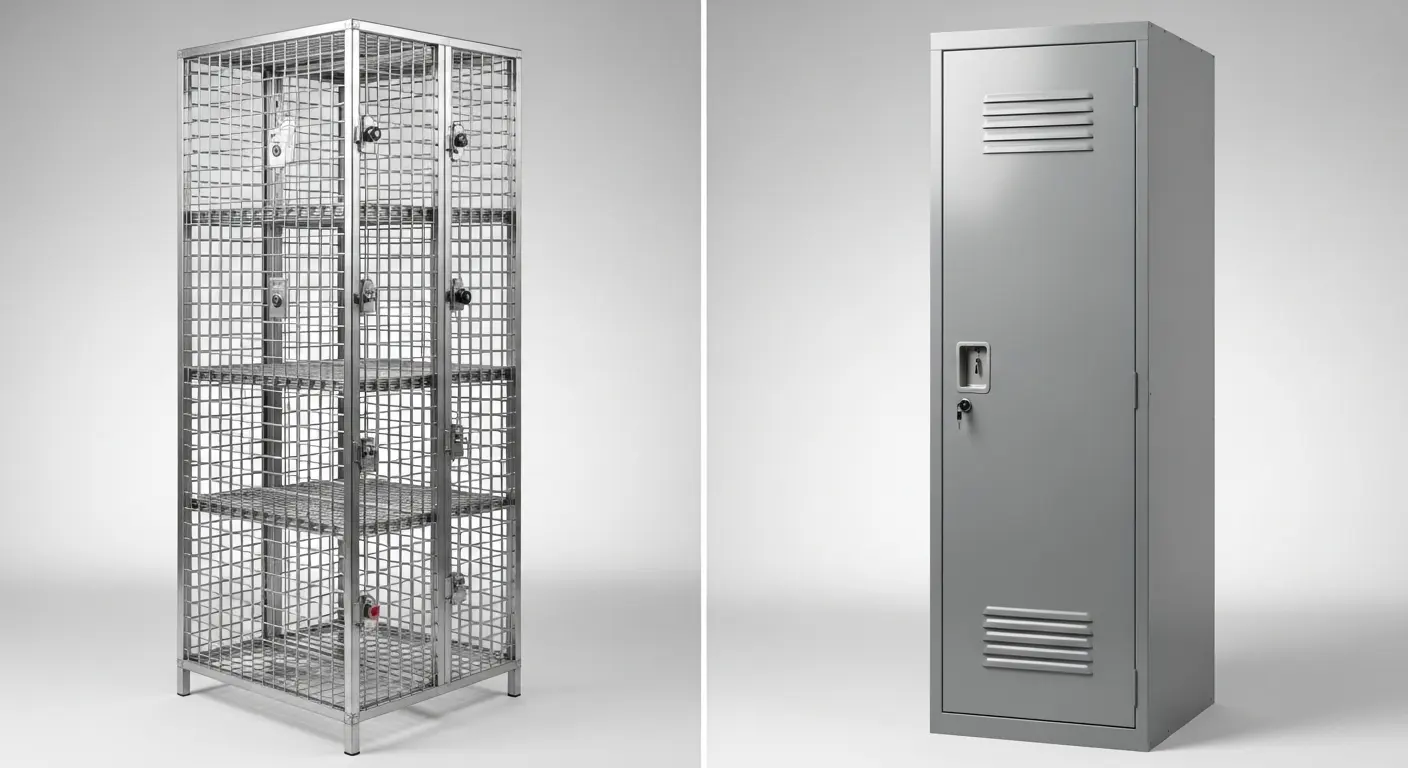
| Feature | Mesh Locker | Ventilated Locker |
| Visibility | 100% (Total Transparency) | Partial (Privacy Protected) |
| Airflow | Maximum (Full Grid) | High (Louvered/Perforated) |
| Security Type | Visual Inspection | Physical Privacy |
| Fire Safety | Sprinkler Penetration Ready | Solid Panel Limitations |
| Odor Prevention | Superior for Wet Gear | Good for Daily Use |
Durability and Construction
Mesh lockers often use 10-gauge or 13-gauge welded wire. This creates a rigid and resilient frame. Ventilated lockers use cold-rolled steel sheets. Both types can be finished with a durable powder coating. Based on NACE International data, proper coating reduces corrosion risks by up to 95%.
Ideal Use Case Mapping
Choose mesh for warehouses, evidence rooms, and high-moisture aquatic centers. These areas benefit from "see-through" security and high ventilation. Opt for ventilated lockers in school hallways or employee changing rooms. These spaces require a balance of airflow and personal privacy.
Why choose mesh lockers for high-security environments?
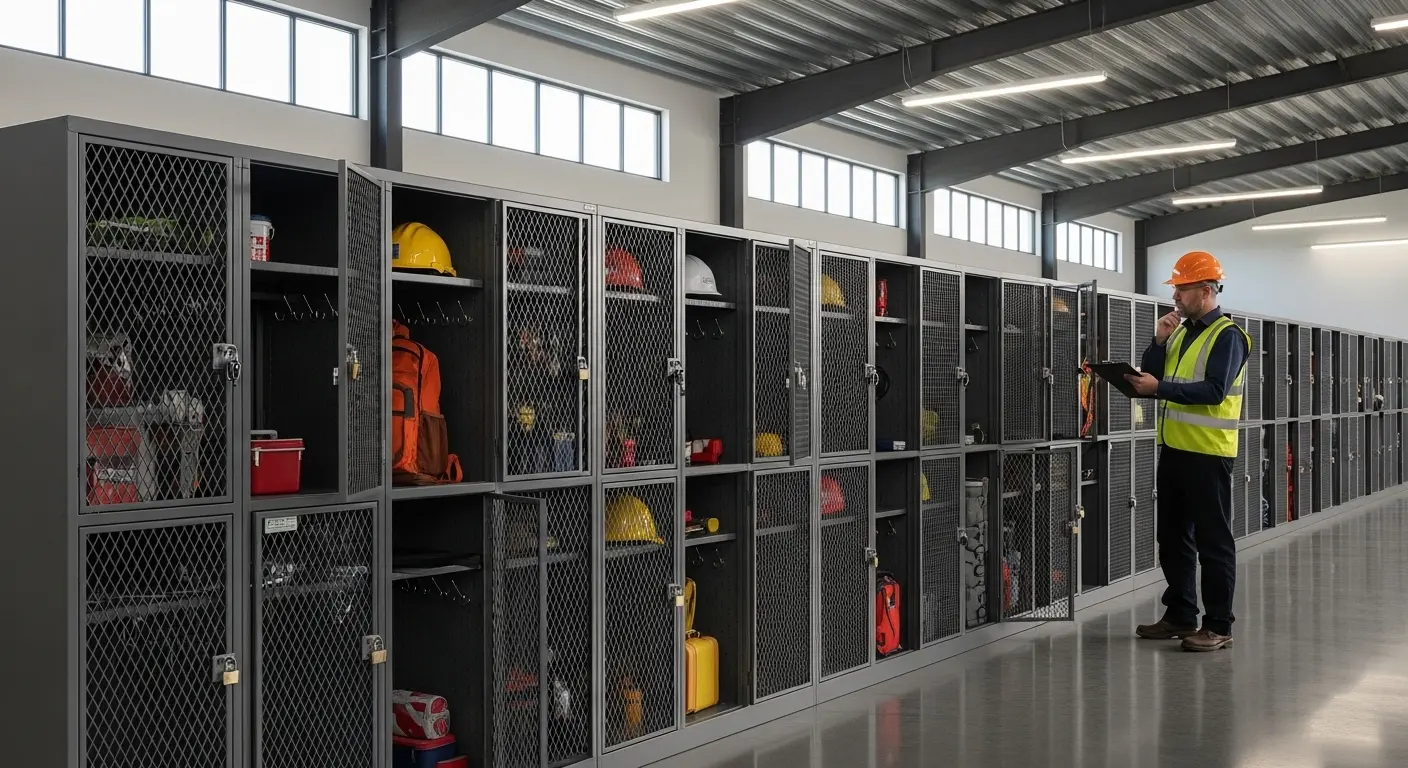
Mesh lockers are the industry standard for high-security facilities because they enable immediate visual inspections. They eliminate the need for time-consuming locker searches. In our experience, this transparency significantly reduces internal theft. It also discourages the storage of prohibited items.
Preventing Contraband and Theft
In distribution centers, visual transparency is the first line of defense. Staff can see high-value inventory through the wire grid. This creates a "goldfish bowl" effect that deters dishonest behavior. According to Loss Prevention Magazine, visual deterrents are among the most effective security measures.
Enhancing Facility Audit Speed
Large warehouses often have hundreds of storage units. Manually checking each one is impossible. Mesh units allow a single supervisor to audit an entire row in minutes. This efficiency saves labor costs. It also ensures that safety protocols are strictly followed daily.
When are ventilated metal lockers the better choice?
Ventilated metal lockers are the superior choice when user privacy is a priority. They are commonly used in schools and commercial gyms. These environments require air circulation to manage odors, but users do not want their belongings on display.

Privacy for Students and Employees
Personal items like clothing or backpacks should stay out of sight. Ventilated lockers use louvered doors to obscure the interior. This prevents "locker envy" and reduces the risk of targeted theft. It also creates a cleaner aesthetic in public hallways.
Balancing Hygiene and Aesthetics
Gym lockers must handle damp towels and sweaty clothes. Louvers allow air to circulate, which helps prevent bacteria growth. Research from the NIH shows that moisture reduction is key to controlling locker room pathogens. These units look more like traditional furniture than industrial mesh.
Fire Safety and Compliance: The Mesh Advantage
Fire safety is a major factor when comparing a mesh locker vs ventilated locker. Many industrial facilities must comply with strict fire codes regarding sprinkler penetration. Mesh lockers provide a distinct advantage in this area.
NFPA 13 Compliance
The NFPA 13 standard dictates how water must flow during a fire. Solid-top lockers can block sprinkler water from reaching the interior. Mesh lockers allow water to pass directly through the top and sides. This ensures that a fire inside a locker is extinguished quickly.
Reducing Facility Risk
Insurance providers often prefer wire mesh for large-scale storage. It reduces the "fuel load" density by allowing suppression systems to work efficiently. If you are storing flammable materials, mesh is the safer technical choice. This compliance can lead to lower insurance premiums for facility owners.
FAQ Section
What is the difference between a mesh and a ventilated locker?
The main difference is visibility. Mesh lockers are made of wire grids and are completely see-through. Ventilated lockers are made of metal sheets with slots or holes. Mesh allows more air to flow, while ventilated lockers offer more privacy.
Are mesh lockers more expensive than ventilated lockers?
Pricing depends on the gauge of the steel and the finish. Generally, heavy-duty wire mesh can cost slightly more due to the welding process. However, ventilated metal lockers vary in price based on the number of louvers and doors.
Do ventilated lockers actually prevent odors?
Yes, ventilated lockers prevent odors by allowing air to circulate. This airflow helps dry out damp items like gym clothes. While they work well, mesh lockers offer even better odor control because they have no solid panels to trap air.
Can you see through a ventilated locker?
You can only see through the small slots or louvers of a ventilated locker. You cannot see the entire contents clearly. This makes them a great choice for areas where privacy is needed for personal belongings.
Which type is more durable for outdoor use?
Neither is ideal for direct rain. However, a mesh locker with proper zinc plating resists rust better in humid areas. Always ensure your lockers have a professional powder coating if they are in a damp environment.
Conclusion
Choosing between a mesh locker vs ventilated locker comes down to your primary goal. If you need high-security visual audits and maximum fire safety, mesh is the winner. If you need to provide privacy for students or employees while managing smells, ventilated lockers are best.
We recommend assessing your facility's moisture levels and security risks before purchasing. For high-traffic areas, consider our easy-to-clean locker options. Contact Good Lockers today for a custom quote on your next storage project.
