
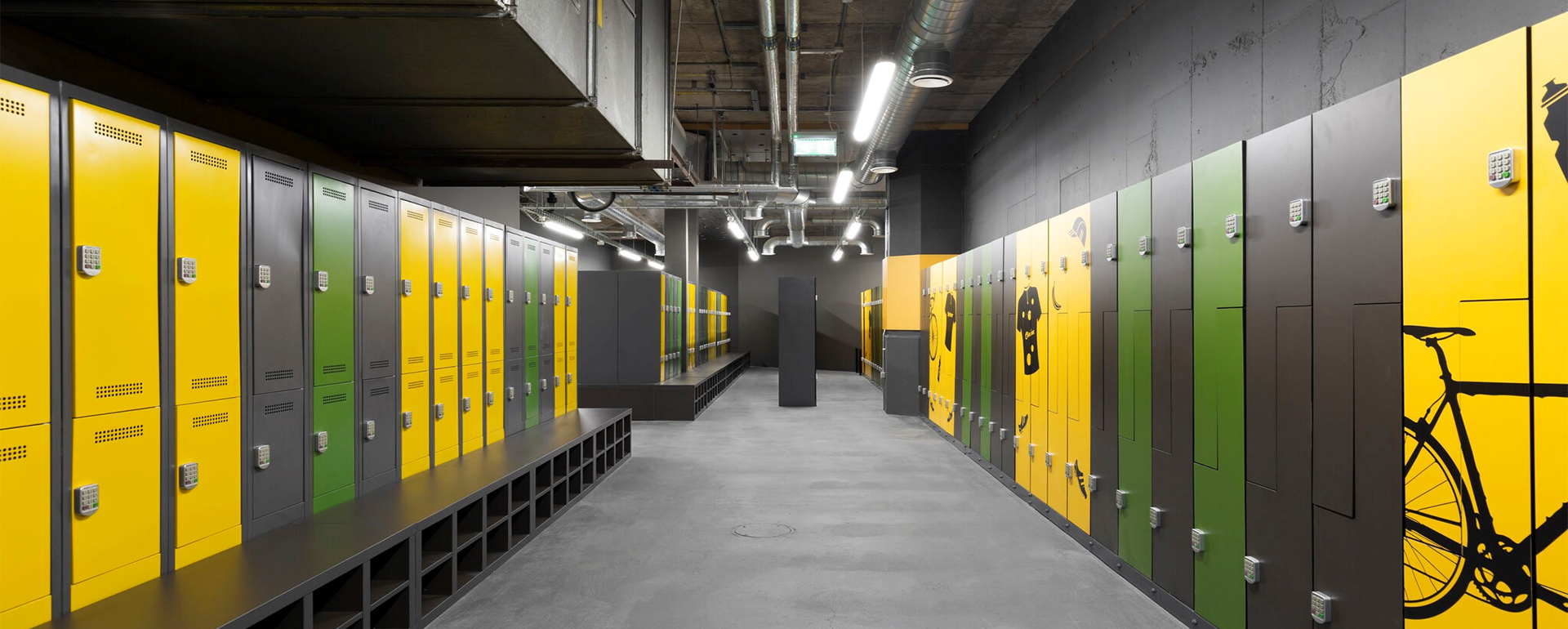
What Phone Locker Materials Work Best in Humid Gyms or Pools?
The best materials for phone lockers in humid environments are High-Density Polyethylene (HDPE), High-Pressure Laminate (HPL), and Grade 316 Stainless Steel. These materials are specifically engineered to resist oxidation and structural warping caused by moisture, steam, and pool chemicals.
Choosing the right substrate ensures that your cell phone lockers remain functional and rust-free, protecting the expensive electronics stored inside. This guide breaks down the science of moisture resistance and which materials offer the best return on investment for your facility.
What you will learn in this guide:
- How to distinguish between "water-resistant" and "rust-proof" materials.
- The critical difference between Grade 304 and Grade 316 stainless steel for pool areas.
- Why the IP rating of your digital locks is as important as the locker material.
- Maintenance steps to extend the lifespan of lockers in 90%+ humidity.
The Humidity Problem: Why Standard Lockers Fail
Standard mild steel lockers often fail in gyms and aquatic centers because humidity triggers an electrochemical reaction known as oxidation. When moisture is trapped against a metal surface, it creates an environment where rust can flourish, eventually eating through powder coatings and seizing hinges.
In spaces like steam rooms or indoor pools, the risk is twofold: structural damage to the locker and moisture damage to the stored devices. Phones are highly susceptible to condensation. If a locker material cannot regulate temperature or provide adequate barrier protection, "crevice corrosion" can occur at the weld points, leading to a total failure of the unit’s security within 12–24 months.
Common mistakes to avoid:
- Assuming indoor means dry: Standard indoor lockers are not rated for the 70% to 90% humidity levels found in aquatic centers.
- Ignoring weld points: Most rust begins at the joints where powder coating is thinnest.
Top 3 Materials for High-Humidity Phone Storage
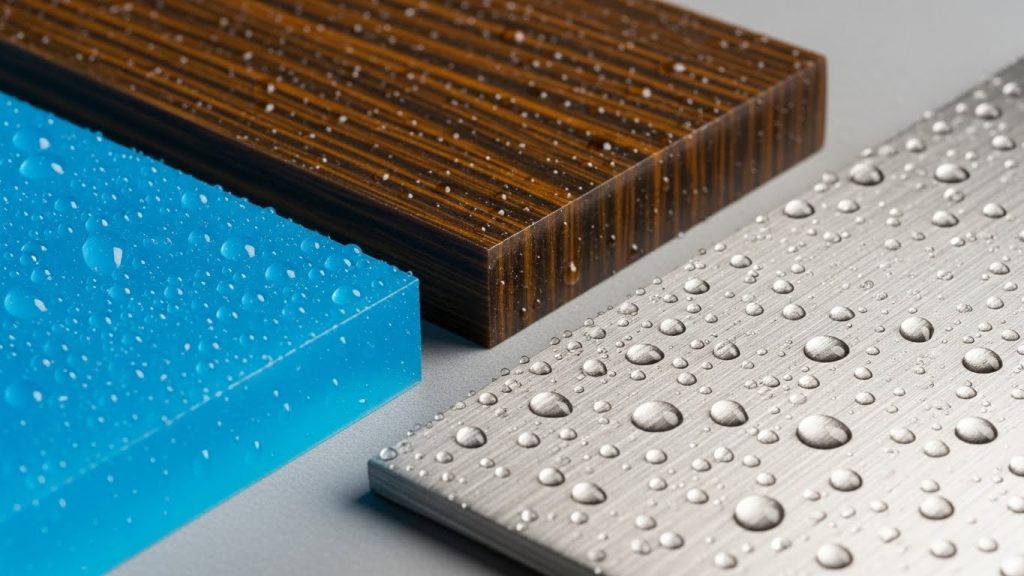
1. High-Density Polyethylene (HDPE) Plastic
HDPE is the gold standard for 100% rust-proof storage. Because it is a non-porous plastic, it cannot oxidize, rot, or support mold growth. The color is usually "solid through," meaning scratches do not reveal a different color underneath, making it ideal for high-traffic gym environments.
2. Phenolic Resin / High-Pressure Laminate (HPL)
HPL is a compact laminate made by layering kraft paper with phenolic resin under intense heat and pressure. The result is a dense, waterproof material that is nearly impossible to delaminate. It offers a premium, modern aesthetic for luxury spas and boutique fitness studios while remaining completely impervious to steam.
3. Grade 316 Stainless Steel
While Grade 304 is common in kitchens, Grade 316 (Marine Grade) is required for pools. It contains molybdenum, which provides superior resistance to "pitting" caused by chlorine and salt. If you prefer the industrial look of metal in a wet area, 316 is the only viable metallic choice to prevent tea-staining and structural degradation.
The "Lock" Factor: Electronic Security in Damp Air
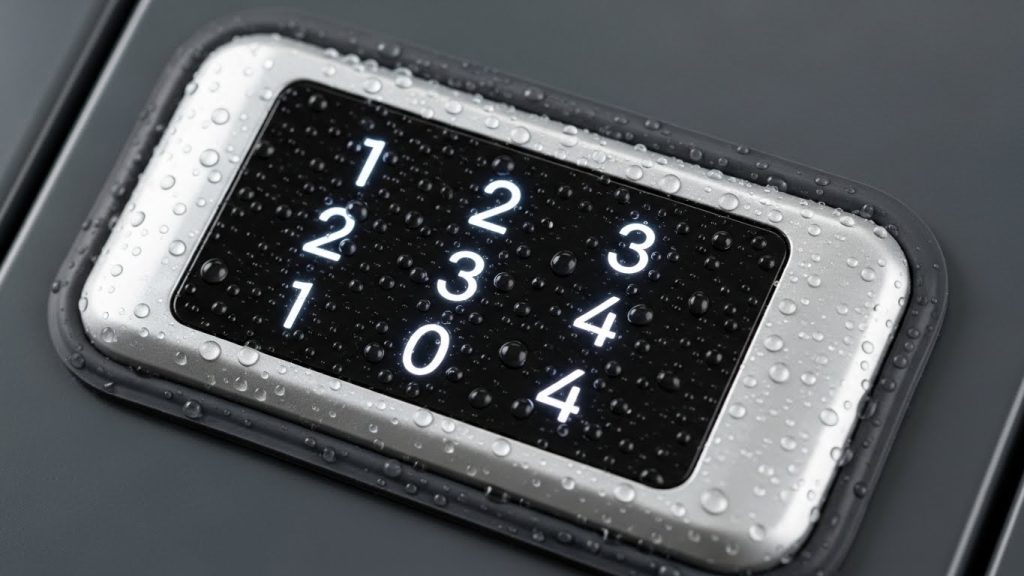
Even the most durable material will fail if the locking mechanism is compromised by moisture. When procurement teams select phone lockers, they must verify the IP (Ingress Protection) rating of the digital keypads.
An IP65 rating is the industry benchmark for humid environments. This signifies that the lock is dust-tight and protected against water jets from any direction. Without this protection, internal circuit boards can short-circuit, leading to lockouts. In such cases, it is vital to have a protocol for what happens if someone forgets a locker code or loses a key, as humidity-induced failures can mimic a forgotten code.
Lock Specification Checklist:
- Verify IP65 or higher rating for electronic components.
- Ensure mechanical override keys are made of brass or stainless steel to prevent seizing.
- Look for "sealed" battery compartments to prevent terminal corrosion.
Ventilation Strategies for Small Device Lockers
Small phone compartments trap moisture more effectively than large wardrobes. Without proper airflow, a phone placed in a locker after a hot shower can lead to internal condensation. Passive ventilation, such as rear-wall perforations or door louvers, allows air to circulate, balancing the internal temperature with the room's ambient climate.
Proper installation is also a security factor. Once you have selected the right moisture-resistant material, you must know how to anchor phone lockers to prevent tip-over or theft. In humid areas, ensure that the anchoring hardware (bolts and screws) is also Grade 316 stainless steel; using standard steel bolts with an HDPE locker creates a "weak link" where the bolt will rust and fail, even if the locker does not.
Material Comparison Table (Durability vs. Cost)
| Material | Humidity Resistance | Chlorine Resistance | Est. Lifespan |
| HDPE Plastic | Excellent | Excellent | 20+ Years |
| Phenolic (HPL) | Excellent | High | 15–20 Years |
| 316 Stainless | High | High | 15+ Years |
| 304 Stainless | Moderate | Low | 5–7 Years |
| Mild Steel | Low | Very Low | 1–3 Years |
Choosing the right material also impacts inclusivity. For instance, plastic and phenolic lockers are easily customized during manufacturing to meet specific height and reach requirements. For more on this, see are phone lockers ADA compliant and accessible.
Frequently Asked Questions (FAQ)
Yes, but only if they are Grade 316 stainless steel or specifically treated galvanized steel with a high-performance powder coating. Standard mild steel will begin to rust almost immediately in chlorinated environments.
Yes, phenolic resin is a non-porous material that does not absorb moisture, making it ideal for steam rooms and poolside changing areas where direct water contact is common.
High-Density Polyethylene (HDPE) is generally considered the best for outdoors because it is rust-proof and contains UV stabilizers to prevent fading and cracking under direct sunlight.
Digital locks in humid gyms should be wiped down weekly to remove salt and sweat buildup. Additionally, battery terminals should be inspected every six months for signs of moisture-induced corrosion.
Grade 316 contains molybdenum, a chemical element that specifically prevents "pitting corrosion" caused by the chlorides found in pool water and salt air.
Yes, if the lock is not IP-rated, moisture can penetrate the casing and short-circuit the PCB (printed circuit board), leading to the lock becoming unresponsive.
An IP65 rating means the device is "dust tight" and protected against low-pressure water jets from any angle, making it safe for use in humid or wet locker rooms.
Conclusion
Selecting the right phone locker material for a humid environment is an investment in your facility's longevity. While HDPE and Phenolic HPL offer the highest resistance to moisture and chemicals, Grade 316 Stainless Steel remains a premium choice for high-end aesthetic applications. By matching the substrate to your specific environmental conditions—and ensuring your digital locks are IP-rated—you protect both your infrastructure and your members' technology.
