
Cell Phone Lockers for Workplaces: A Smart Storage Solution for Security, Focus, and Compliance
Workplace cell phone lockers have become a handy requirement in most workplaces. Personal phones may cause distraction, safety and data security issues in offices, warehouses, factories, labs, call centers, and secure facilities. An efficient phone storage system is one that allows employers to control these issues without reminders or haphazard enforcement.
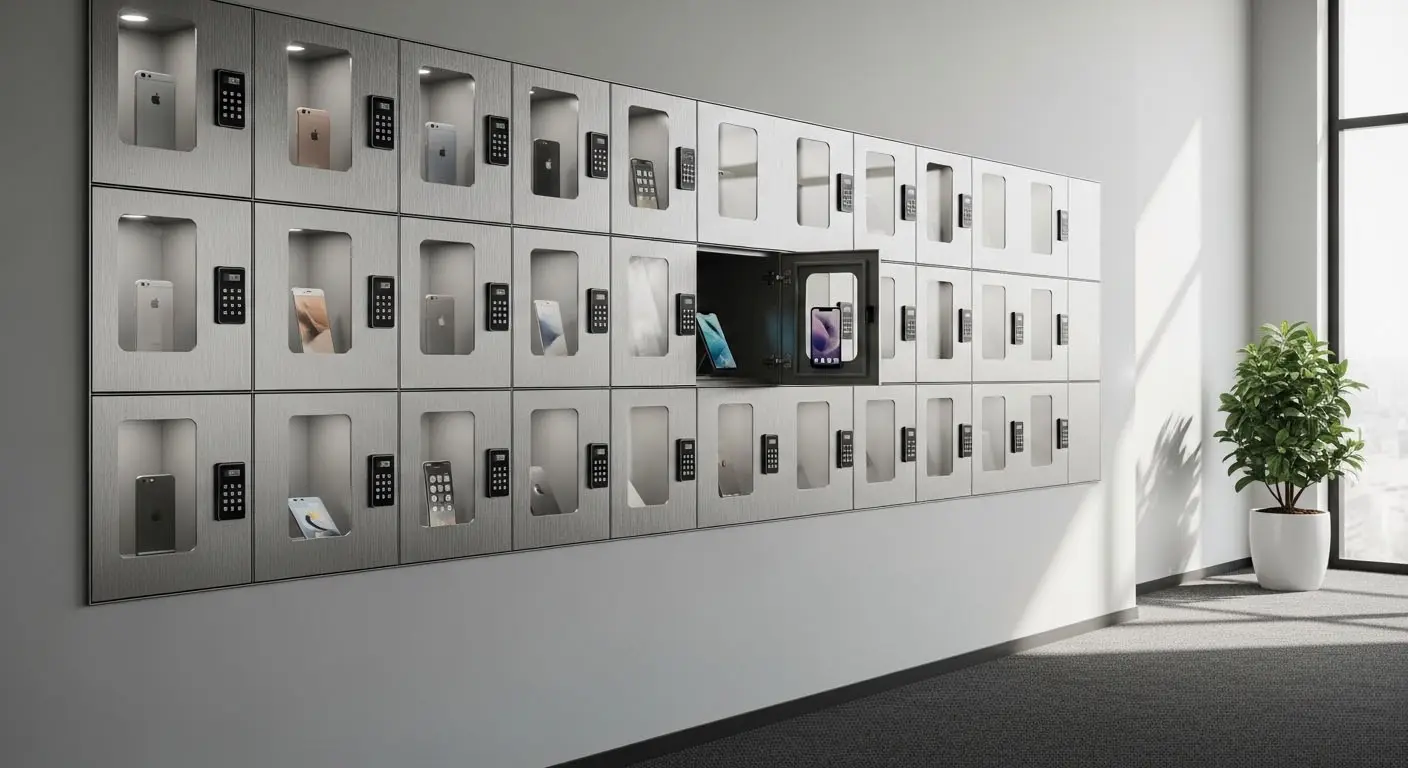
Rather than strictly using policy documents, companies can establish a safe and painless procedure: they keep personal phones in special lockers at work or in special areas and then take them at breaks or even at the end of a shift. This practice facilitates productivity, enhances compliance and develops a better structured workplace routine.
To the employers, it is not just about phone control. Right locker system also secure employee property and minimizes conflicts and also assists the supervisors to manage rules in the work place fairly. This report describes the reason why companies need cell phone lockers, what to consider in their selection, and how to select the most effective system to use in the long run.
Why Workplaces Use Cell Phone Lockers
A phone-use policy is already in place in most companies, however, policies are frequently difficult to enforce. Supervisors can waste excessive time on alerting employees to put down phones. Phones may as well disrupt safety rules, work process or secrecy in certain settings.
Cell phone lockers can provide a practical solution as they provide an employee with a safe spot to leave the devices during the working hours. This allows easy implementation of the policy and easy enforcement of the policy.
Common reasons workplaces install phone lockers
-
Reduce distractions in production areas and offices
-
Improve focus and productivity during shifts
-
Support safety rules in hazardous work zones
-
Protect confidential information in secure facilities
-
Prevent unauthorized photos or recording
-
Create consistent policy enforcement across teams
-
Protect employee phones from loss or damage on the job
When a workplace provides a proper storage solution, employees are more likely to follow the policy without conflict.
What Are Cell Phone Lockers for Workplaces?
Workplace Cell phone lockers are miniature storage devices that have numerous small slots where smartphones and personal miniature items can be stored. Each compartment might also have earbuds, keys, ID badges, or a wallet depending upon which model is used.
Workplace phone lockers are commonly installed in:
-
Employee entrances
-
Break rooms
-
Locker rooms
-
Security checkpoints
-
Production floor access points
-
Office departments with restricted phone use
-
Cleanrooms or controlled environments
Some companies assign one compartment to each employee, while others use day-use lockers for each shift. The best setup depends on staffing, shift patterns, and the level of phone restriction required.
Main Benefits of Cell Phone Lockers in the Workplace
A phone locker system supports both operations and employee management. It helps companies move from repeated reminders to a clear process.
1) Better Focus and Productivity
Phones can interrupt work in any setting. In offices, they break concentration. In warehouses and factories, they slow task completion and reduce attention to detail. Even short screen checks can interrupt workflow.
A phone locker system reduces these interruptions by removing phones from active work areas. This helps teams stay focused on:
-
Tasks and deadlines
-
Customer service interactions
-
Production targets
-
Safety procedures
-
Team communication on approved systems
For many employers, this is the biggest day-to-day benefit.
2) Stronger Safety in High-Risk Areas
In industrial and operational settings, phone use can be more than a distraction. It can create safety hazards. Employees using phones while walking, operating equipment, or working near active machinery face higher risk.
Phone lockers support safer operations in places such as:
-
Manufacturing plants
-
Warehouses
-
Construction support facilities
-
Chemical processing areas
-
Logistics hubs
-
Maintenance workshops
By keeping phones out of restricted zones, companies reduce risk and support compliance with internal safety procedures.
3) Improved Data Security and Confidentiality
Many workplaces handle sensitive information, including customer data, product designs, financial records, or proprietary processes. Personal phones can create a risk through photos, recordings, or unauthorized messaging.
This is especially important in:
-
R&D labs
-
Call centers
-
Finance and insurance offices
-
Healthcare administration areas
-
Government contractors
-
Secure production environments
Cell phone lockers help companies control device access and protect confidential information without collecting phones directly from employees.
4) Fair and Consistent Policy Enforcement
Without lockers, phone rules are often enforced unevenly. One supervisor may allow phones in pockets, while another may issue warnings immediately. This creates confusion and complaints.
A phone locker system makes the rule clear and consistent:
-
Employees arrive
-
Store phones before entering the work area
-
Retrieve phones during approved times
This reduces arguments, improves accountability, and helps HR and operations teams apply the same standard across departments.
5) Better Protection for Employee Devices
Employees do not want to leave phones on breakroom tables, shelves, or in bags in shared spaces. A secure phone locker gives them a safer option and reduces the chance of loss, theft, or accidental damage.
This matters in busy workplaces where personal items can be:
-
Moved during cleaning
-
Damaged in crowded areas
-
Misplaced between shifts
-
Left near food, liquids, or equipment
Providing secure storage improves trust and reduces avoidable disputes.
Types of Cell Phone Lockers for Workplaces
Different workplaces need different locker formats. Choosing the right type depends on staffing levels, floor space, and how strict the phone policy is.
Wall-Mounted Phone Lockers
Wall-mounted units are compact and save floor space. They work well near office entrances, break rooms, or department access doors.
Best for: Offices, labs, smaller departments
Benefits: Space-saving, easy to install, easy to supervise
Freestanding Phone Locker Cabinets
Freestanding cabinets offer higher capacity and can be moved or placed where traffic is highest. Many companies use them at shift entrances or security checkpoints.
Best for: Factories, warehouses, large teams, multi-shift sites
Benefits: High capacity, flexible placement, easy expansion
Individual Locking Compartment Lockers
These include separate locking doors for each user. They provide stronger privacy and better personal device protection.
Best for: Long shifts, assigned employee use, secure facilities
Benefits: Better accountability, stronger security, clear assignment
Master-Control Phone Lockers
These systems may use a teacher-style or supervisor-controlled lock, where access is managed by a team lead or security staff. This is useful in environments with strict phone restrictions.
Best for: Cleanrooms, secure production, examination/training areas
Benefits: Strong control, easy policy enforcement
Features to Look for in Workplace Cell Phone Lockers
Not all phone lockers are built for commercial use. Workplace units need stronger construction and easy maintenance.
1) Compartment Size for Modern Phones
Phones are larger now, and many employees use thick protective cases. Make sure each compartment fits common smartphone sizes comfortably.
If employees also need to store keys or ID cards, choose a slightly larger compartment design.
2) Durable Metal Construction
Most workplaces need steel phone lockers because they handle daily use better than light-duty plastic storage. A strong cabinet body and reinforced doors help the lockers last longer.
Look for:
-
Steel construction
-
Reinforced hinges
-
Smooth door alignment
-
Scratch-resistant or powder-coated finish
-
Stable mounting or base design
A durable locker reduces repair calls and downtime.
3) Secure Lock Options
The right lock depends on how your workplace manages access.
Common workplace lock options
-
Keyed locks for assigned employee compartments
-
Padlock-ready doors for employee-supplied locks
-
Combination locks for shift use
-
Digital keypad locks for modern access control
-
RFID locks for larger or higher-security facilities
For most workplaces, the best choice is the one that balances security with fast access during shift changes.
4) Clear Numbering and Labels
Numbered compartments improve organization. Employees can find their assigned locker quickly, and supervisors can verify compliance without delays.
Choose lockers with:
-
Large visible numbers
-
Durable labels that do not peel easily
-
Easy relabeling for shift or staffing changes
This small feature saves time every day.
5) Easy Cleaning and Maintenance
Workplace equipment should be easy to maintain. Phone lockers in factories or warehouses may collect dust, while office units need regular cleaning in shared spaces.
Choose lockers with:
-
Smooth, wipeable surfaces
-
Minimal dirt-trap edges
-
Simple lock replacement access
-
Available spare keys or parts
A low-maintenance locker system is easier for facility teams to manage.
6) Ventilation and Placement Design
Phones do not need heavy ventilation, but lockers should not be placed in hot areas or next to heat-producing equipment. In industrial spaces, choose a location away from direct heat, moisture, and chemical exposure.
Good placement extends locker life and protects employee devices.
Best Places to Install Cell Phone Lockers at Work
Where you install the lockers affects how well the policy works. The best location is easy to access but clearly outside restricted work zones.
Employee entrance or checkpoint
A strong option for sites with strict no-phone policies. Employees store devices before entering controlled areas.
Break rooms
Works well for offices and mixed-use workplaces where phones are allowed only during breaks.
Locker rooms and changing areas
Useful in factories, plants, and warehouses where employees already change before shifts.
Department entrances
Ideal for labs, secure offices, call centers, and production zones with specific phone restrictions.
Training or testing rooms
Helpful for onboarding sessions, compliance tests, or certification programs where phone use is not allowed.
Tips for Implementing a Workplace Phone Locker Policy
A phone locker system works best when the process is simple and clearly communicated.
1) Write a clear policy
Explain where phones must be stored, when they can be accessed, and which areas are restricted.
2) Train supervisors and team leads
Managers should follow the same process across all shifts. Consistency reduces complaints.
3) Explain the reason to employees
Focus on safety, productivity, and device protection. Employees respond better when the purpose is clear.
4) Start with one area if needed
If the company is testing the process, start in one department, then expand after review.
5) Plan for exceptions
Define how emergency calls, on-call staff, or approved work devices will be handled.
Common Workplace Use Cases for Cell Phone Lockers
Cell phone lockers are useful across many industries:
-
Manufacturing plants for safety and productivity
-
Warehouses and logistics centers for distraction control
-
Call centers for data security and focus
-
Healthcare admin offices for confidentiality
-
Labs and cleanrooms for compliance
-
Corporate offices for meeting areas or secure departments
-
Testing and training centers for phone-free sessions
The same locker system can be adapted based on department needs and access rules.
Final Thoughts
Cell phone lockers for workplaces are a practical way to improve focus, strengthen policy enforcement, and protect both company operations and employee devices. They help employers replace repeated reminders with a clear, reliable routine that supports productivity and compliance.
The best system depends on your workplace size, risk level, and daily workflow. Choose durable lockers with the right compartment size, secure lock options, and clear numbering, then install them in locations that match your policy. With the right setup, phone lockers can make the workplace more organized, safer, and easier to manage every day.
If your company is reviewing phone-use rules, adding a workplace cell phone locker system is one of the most effective upgrades you can make for long-term consistency and better operations.
