
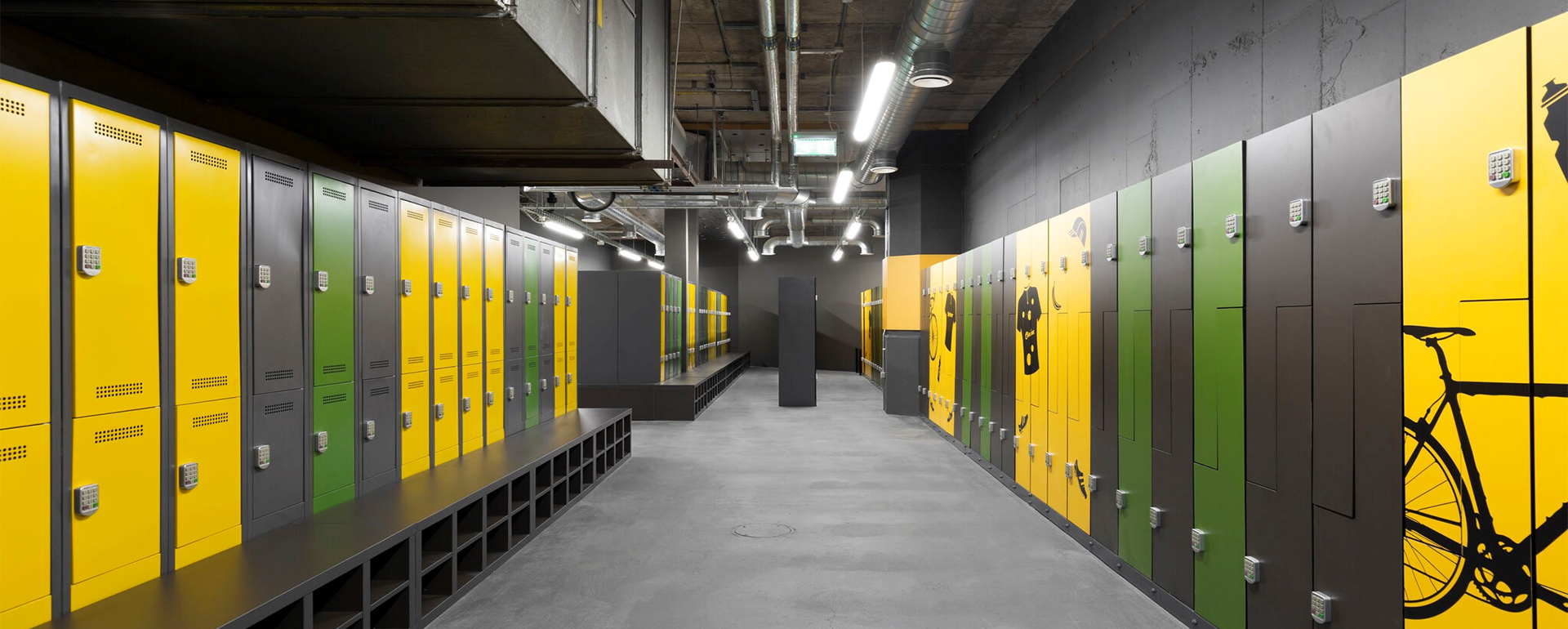
Cell Phone Lockers for Schools: A Smart Storage Solution for Better Focus and Safer Classrooms
School cell phone lockers have emerged as a viable solution to an increasing problem with education. Smartphones are handy devices, but they also provide constant interruptions in the classrooms, corridors, and studying rooms. Numerous schools currently require an explicit system that promotes learning, yet at the same time, they do not want to deny students their ability to carry devices to the school. An effective phone locker system will assist schools in controlling such a balance.
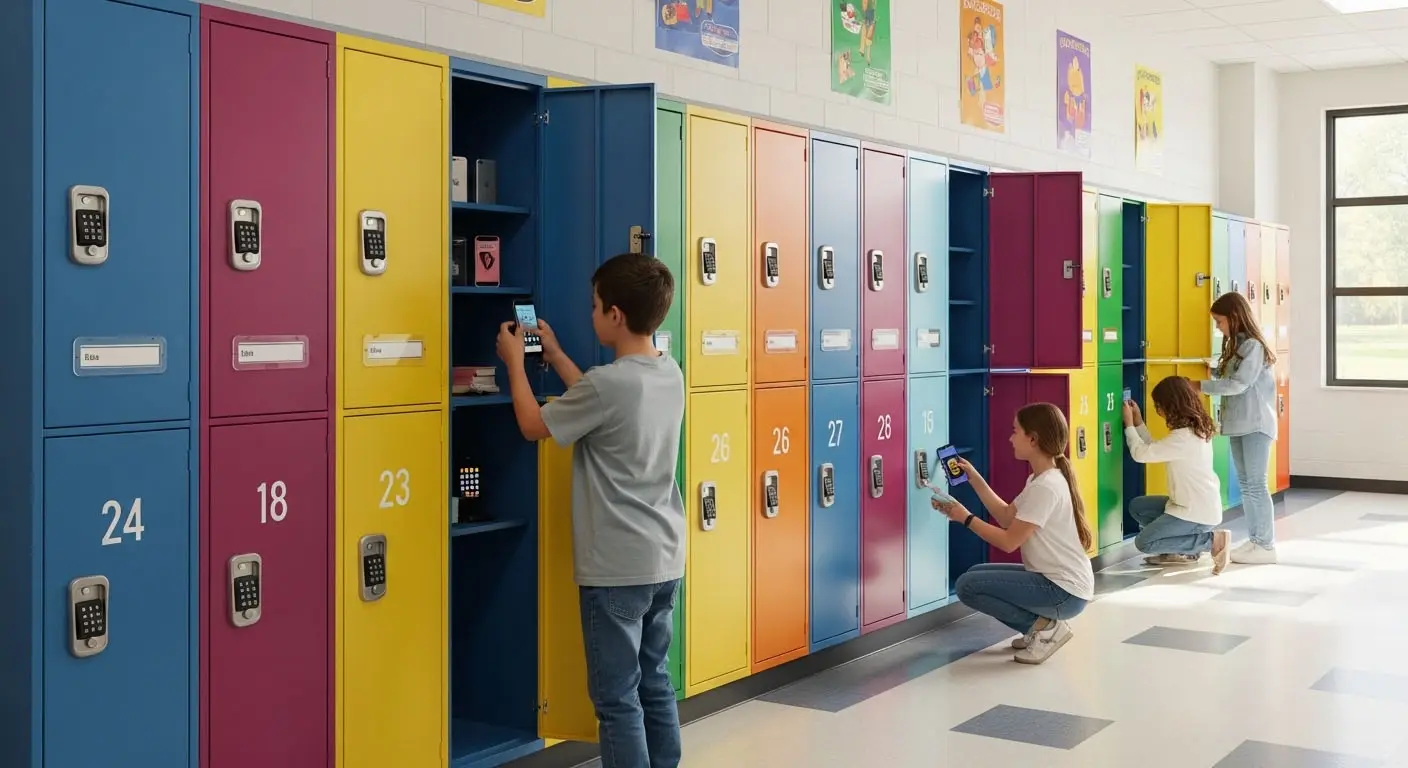
Schools can also establish a routine using secure phone lockers as opposed to just using rules or frequent reminders. Before the classes, the students put their phones in their designated, or temporary lockers and retrieve them afterward. This is the simplest process that minimizes the interruptions, enhances attention and allows teachers more time in teaching.
In the case of primary schools, middle schools, high schools and even colleges, cell phone lockers can enhance classroom discipline, alleviate issues of cheating as well as facilitate an environment that is more focused with learning. This guide outlines reasons why schools have phone lockers, features that are most important and how to select the most appropriate system which would be used over a long period.
Why Schools Are Using Cell Phone Lockers
A phone policy already exists in most schools but in most cases policies are difficult to implement. Educators can waste productivity of classes asking students to turn devices off. The students can conceal phones in pockets, bags, or under the desks. This brings about tension, constant warnings, and disproportional implementation of one classroom to another.
Cell phone lockers address a practical issue: they provide schools with a clear means of storage that will encourage the policy. Schools do not ask students to leave phones out of reach, but offer a safe storage of devices during classes.
Key reasons schools choose phone lockers
-
Reduce classroom distractions from social media, messaging, and games
-
Improve focus and participation during lessons
-
Support fair testing environments by limiting device access
-
Lower teacher stress related to phone enforcement
-
Create a consistent routine across classrooms or campus-wide
-
Protect devices instead of leaving them on desks or in backpacks
When the storage system is simple and reliable, students adapt faster and teachers can focus on instruction.
What Are Cell Phone Lockers for Schools?
Cell phone lockers for schools are compact storage units designed to hold smartphones safely during class time. They usually include multiple small compartments, each sized for one phone and sometimes a small item such as earbuds or a watch.
School phone lockers can be installed in:
-
Classrooms
-
Hallways outside classrooms
-
Student service offices
-
Testing centers
-
Libraries
-
Teacher-controlled learning zones
Some schools use one locker bank per classroom, while others install larger units in common areas for broader use. The best setup depends on student traffic, schedule structure, and how strict the school’s phone policy is.
Main Benefits of Cell Phone Lockers in Schools
A phone locker system does more than store devices. It supports behavior management, classroom flow, and school culture.
1) Better Classroom Attention
The biggest benefit is improved focus. Even when students do not actively use their phones, notifications, vibration, and screen checking break concentration. A locker system removes that temptation during instruction time.
Teachers often notice:
-
Fewer interruptions
-
Better eye contact and participation
-
Stronger engagement in group work
-
Faster class transitions
Over time, this can improve the overall learning environment.
2) More Consistent Rule Enforcement
Without lockers, phone rules can vary by teacher. One teacher may allow phones in bags, while another may require them on a desk. This inconsistency causes confusion for students and extra conflict for staff.
A standard phone locker process creates a clear routine:
-
Students enter class
-
Place phones in assigned compartments
-
Retrieve phones at the end of class
This routine reduces arguments and helps school staff enforce the same expectation across grades or departments.
3) Safer Device Storage
Students often place phones in pockets, backpacks, or open desk trays. Phones can be dropped, cracked, or misplaced during the day. Secure phone lockers provide a designated storage area that lowers the risk of damage or loss.
This is especially useful during:
-
Science labs
-
PE classes
-
Exams
-
Workshops
-
Activities that require full attention
A protected storage solution also gives parents more confidence when schools restrict phone use.
4) Improved Exam Integrity
Phone access during tests creates a serious concern for cheating. Schools that run regular assessments, entrance exams, or standardized testing can use cell phone lockers to improve test security.
A locker system near testing rooms helps schools:
-
Confirm devices are stored before students enter
-
Reduce hidden-phone incidents
-
Keep exam procedures more organized
-
Support fair conditions for all students
This is one of the strongest reasons many schools invest in phone storage.
5) Better Classroom Management for Teachers
Teachers should not have to spend instructional time collecting phones one by one or checking desks during lessons. Lockers make phone management faster and more structured.
With a good setup, teachers can:
-
See whether compartments are filled
-
Start class on time
-
Avoid repeated verbal reminders
-
Keep lesson flow smoother
This improves both classroom efficiency and teacher experience.
Types of Cell Phone Lockers for Schools
Schools can choose different locker types based on class size, age group, and security needs.
Wall-Mounted Phone Lockers
These are compact units installed on a wall, often near the classroom entrance. They save floor space and work well in standard classrooms.
Best for: Small to medium classes, daily classroom use
Benefits: Space-saving, easy access, visible to teacher
Freestanding Phone Locker Cabinets
These cabinets can hold more devices and are often placed in hallways, offices, or shared learning areas. They are useful for schools with larger student groups or centralized phone collection.
Best for: Shared-use zones, testing centers, large classrooms
Benefits: Higher capacity, flexible placement
Lockable Multi-Compartment Cabinets
These include individual compartments with separate doors or a master-door system. Some use key locks, while others use combination or digital options.
Best for: Schools needing stronger security or controlled access
Benefits: Better protection, clear compartment assignment
Open Slot Phone Storage Systems
Some schools use non-locking or teacher-supervised storage racks with numbered slots. These are faster for classroom use but provide less security.
Best for: Teacher-controlled classrooms with strict supervision
Benefits: Quick access, lower cost
Limit: Less secure than locked units
Features to Look for in School Cell Phone Lockers
Choosing the right phone locker is about more than compartment count. Schools should focus on durability, usability, and long-term maintenance.
1) Compartment Size
Phones are larger than they were a few years ago. Many students also use protective cases. Make sure each compartment fits modern smartphones comfortably, including larger models.
If your school allows students to store small items with phones, choose a slightly deeper compartment design.
2) Durable Construction
School lockers take daily use. Doors, hinges, and locks must hold up to repeated opening and closing. Metal locker cabinets are common for schools because they offer strong durability and long service life.
Look for:
-
Sturdy steel construction
-
Smooth door operation
-
Reinforced hinges
-
Scratch-resistant finish
A stronger unit reduces repairs and replacement costs.
3) Clear Numbering or Labels
Numbered compartments make classroom routines easier. Students can quickly find their assigned space, and teachers can check compliance at a glance.
Choose lockers with:
-
Large visible numbers
-
Long-lasting labels
-
Easy re-labeling if assignments change
This small detail helps a lot during busy class transitions.
4) Secure Locking Options
The right lock type depends on your school’s process.
Common lock options
-
Master key lock: Teacher or staff controls access
-
Individual keyed locks: Higher security, but key management required
-
Combination locks: No keys, but slower for younger students
-
Digital locks: Useful for advanced systems, but higher cost
Many schools prefer a teacher-managed system with one main lock or a supervised collection process to keep transitions fast.
5) Ventilation and Heat Considerations
Phones do not usually need heavy ventilation, but lockers should not trap excess heat in direct sunlight. Avoid placing phone lockers near strong heat sources or in areas with direct afternoon sun.
In warm climates, simple airflow and shaded placement help protect devices.
6) Easy Cleaning and Maintenance
School equipment needs regular cleaning. Choose lockers with smooth surfaces and simple designs that staff can wipe down quickly. Avoid units with hard-to-clean gaps where dust and debris collect.
Also check whether replacement parts are available for locks, keys, and hinges.
Best Places to Install Cell Phone Lockers in Schools
The location of phone lockers affects how well the system works.
Inside classrooms
This is one of the best options for daily control. Students store phones when they enter, and teachers can monitor the process.
Hallways outside classrooms
Good for schools that want a shared locker station for multiple rooms. This works well if staff can supervise the area.
Testing centers
A dedicated phone locker cabinet near the exam room supports test procedures and reduces delays.
Libraries and study areas
Schools that limit phone use in quiet zones can use small locker units near entrances.
Gym or PE area
Phone lockers help protect devices during sports, training, or changing periods.
Tips for Implementing a School Phone Locker Policy
A locker system works best when the policy is simple and consistent.
1) Set a clear routine
Explain when students must store phones and when they can retrieve them. Keep the process the same every day.
2) Train staff on the procedure
Teachers and supervisors should follow the same process, especially in the first few weeks.
3) Communicate with parents
Let parents know the goal is better focus and safer learning, not punishment. Clear communication reduces complaints.
4) Start with a pilot program
If the school is unsure, begin with a few classrooms or one grade level. Review results, then expand.
5) Keep backup procedures ready
Plan for late arrivals, emergency calls, and students who forget their assigned slot.
Common School Use Cases for Cell Phone Lockers
Cell phone lockers are useful in many educational settings:
-
Middle schools: Strong support for distraction control
-
High schools: Helps with exam integrity and classroom discipline
-
Private schools: Supports structured learning policies
-
STEM labs and workshops: Keeps devices protected during hands-on activities
-
Testing centers: Essential for secure exam environments
-
Boarding schools: Works with dorm and study-area phone rules
The same product type can be used differently depending on the school’s schedule and supervision level.
Final Thoughts
School cell phone lockers are a sensible investment to enhance concentration, classroom control and security of devices. They assist schools in leaving the repetitive phone notifications to an easy to follow simple system that helps in learning.
The most advantageous outcomes are associated with picking out long-lasting lockers with the correct size of the compartments, clear labeling, and a lock system fitting in with your school schedule. Phone lockers combined with a straightforward policy and regular use by the staff could make classrooms less chaotic, exams more secure, and daily instruction more efficient.
In case your school is revising its phone policy and the new term is next term, one of the most effective strategies to enhance the enforcement and also safeguard the student devices in the process is adding a cell phone locker system.
.
