
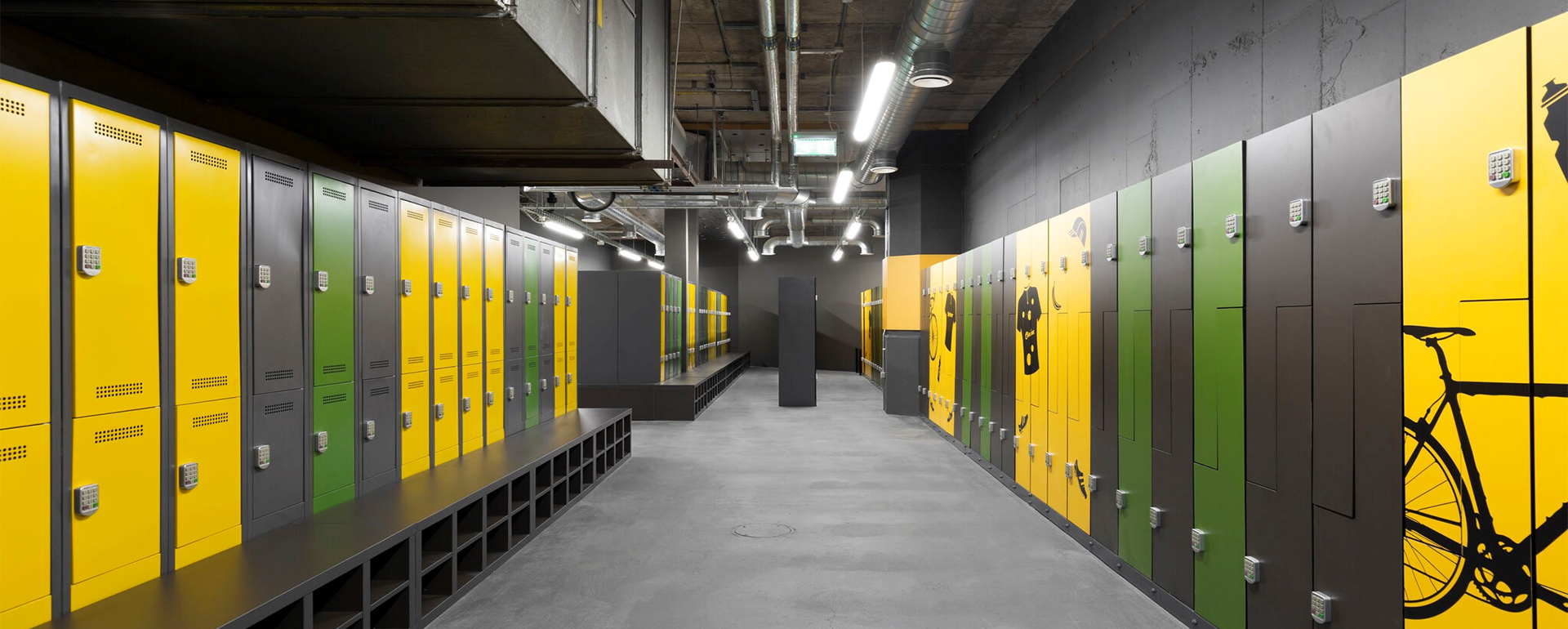
Triple Tier Mesh Lockers: High-Density Storage Solution
Triple tier mesh lockers provide the smartest solution for facilities that need to maximize storage density without expanding their physical footprint. These vertical units offer three individual compartments in the space normally occupied by one.
They combine industrial-strength security with the unmatched benefits of 360-degree ventilation and total visibility. In modern workplaces, warehouses, and fitness centers, floor space is a premium asset. By utilizing a triple-stack configuration, you effectively triple your storage capacity.
This guide explores the technical advantages, safety benefits, and practical applications of these storage powerhouses. Whether you are managing a high-traffic construction site or a boutique gym, selecting the right high-density storage is essential for maintaining order and security.
What are triple tier mesh lockers?
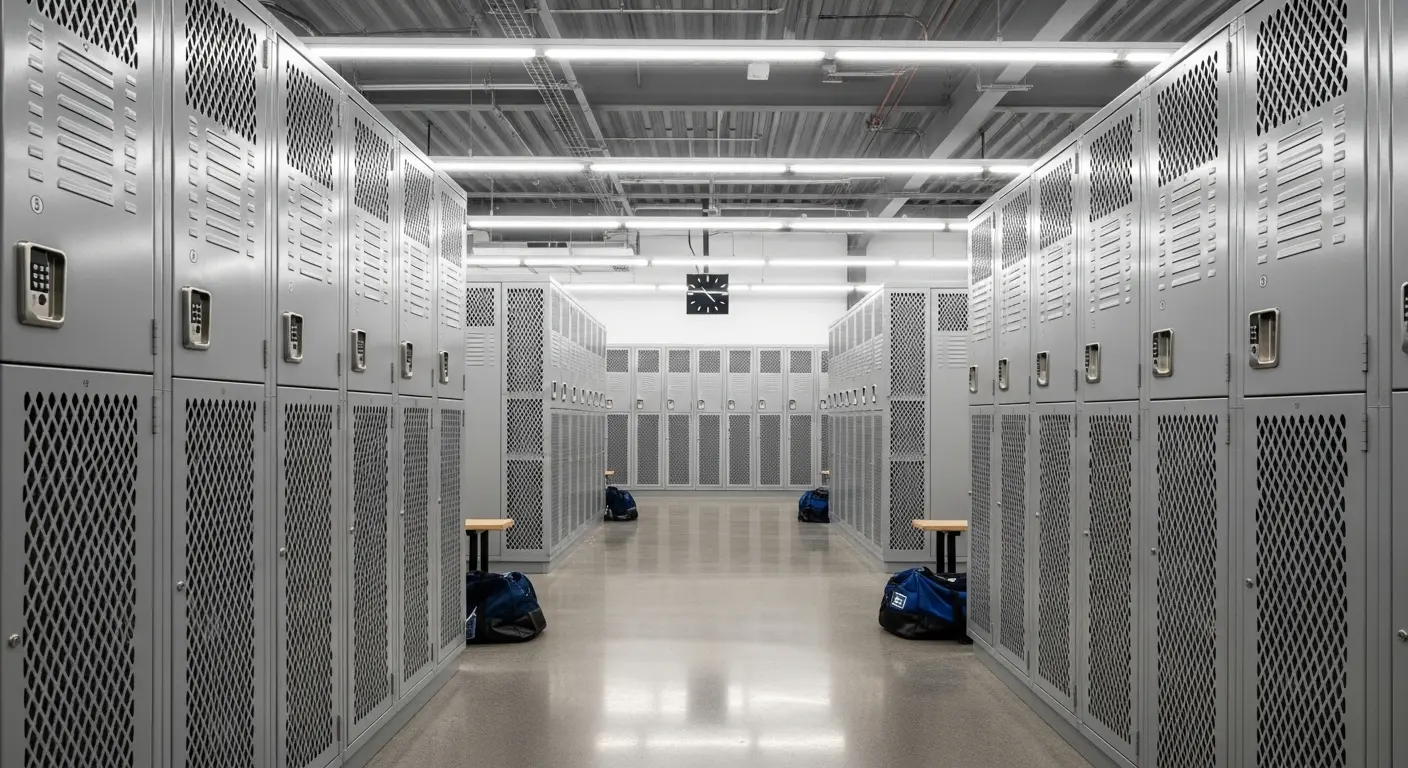
Triple tier mesh lockers are vertical storage systems that divide a single locker frame into three separate, lockable compartments. These units typically stand 1980mm high and are constructed from welded steel wire. They provide a high-density storage solution that allows air to circulate freely while ensuring all stored items remain visible for security audits.
When we talk about maximizing efficiency, the geometry of the mesh lockers matters. A standard full-height locker serves one person. A double tier serves two. But the triple tier is the "sweet spot" for many facilities. Each compartment is approximately 610mm high. This is the perfect size for a backpack, a pair of work boots, and a folded jacket.
In my fifteen years of helping facilities optimize their layouts, I’ve found that many managers over-invest in large lockers. They end up with empty vertical space inside the units. By switching to a triple-stack design, you reclaim that wasted air. You can serve more employees or members without building an extension. The open wire design, often in 25mm x 25mm or 50mm x 50mm apertures, ensures the unit remains lightweight yet incredibly strong.
Why choose triple tier mesh lockers for high-traffic environments?
Triple tier mesh lockers are the best choice for high-traffic environments because they increase storage density by 300% while improving facility hygiene. The open mesh allows 360-degree airflow, which prevents the buildup of odors and mold. Furthermore, the visual transparency acts as a powerful deterrent against the storage of prohibited items or internal theft.
In a busy warehouse or retail backroom, "shadows" are the enemy of security. I once worked with a retail manager in London who was losing thousands in inventory annually. Employees were using solid-door lockers to hide stolen stock. We replaced those units with wire mesh lockers. The visibility changed the culture overnight. If you can see what is inside, the temptation to hide something vanishes.
Hygiene is another massive factor. Think about a gym in August. If you put damp gear in a solid metal box, it stays damp. Bacteria thrives in those dark, stagnant conditions. With triple-stack ventilated lockers, the moisture evaporates naturally. This keeps the entire room smelling fresher and reduces the maintenance burden on your cleaning staff.
| Advantage | Solid Metal Lockers | Triple Tier Mesh Lockers |
| Storage Density | Low | High (3 compartments per unit) |
| Ventilation | Restricted (via louvers) | Maximum (360-degree) |
| Visibility | 0% (Privacy) | 100% (High Security) |
| Fire Safety | Can block sprinklers | Sprinkler-friendly |
| Maintenance | Traps dust in corners | Dust falls through to floor |
How do triple tier lockers maximize floor space?
Triple tier lockers maximize floor space by utilizing vertical height to triple the number of storage compartments per square meter. By stacking three units in a single footprint, you can accommodate a larger workforce or membership in a smaller room. This allows facilities to allocate more space to revenue-generating activities like production or training.
Floor space is one of your most expensive overheads. Whether you are paying for industrial square footage or a commercial lease, every centimeter counts. I recall a project for a CrossFit box that had only ten linear meters of wall space for storage. They had 60 members per class. Using single-tier units was impossible. By installing triple tier mesh lockers, they provided a dedicated spot for every member without sacrificing the workout area.
- Vertical Advantage: Use the full height of the room (usually up to 1980mm).
- Nesting: Units are often "nested" in blocks of 2 or 3 to increase stability and save space.
- Compact Footprint: Standard units are 305mm or 450mm deep, fitting easily into corridors.
- Multi-User Access: Serve three people in the floor space usually required for one.
If you are following a tenant storage lockers wire mesh guide, you know that density is key to profitability. In residential basements, triple-tier configurations allow property managers to offer more lockers to more tenants, increasing monthly rental income from the same square footage.
Are triple tier mesh lockers secure enough for valuable items?
Yes, triple tier mesh lockers are exceptionally secure because they use high-gauge welded steel that is difficult to cut or pry. While they prioritize visibility, the physical barrier is often stronger than thin sheet metal alternatives. The "visual audit" feature also prevents theft by removing the anonymity that thieves rely on in hidden storage.
Many people assume that if they can see an item, it is less safe. This is a common misconception in facility security. Most thefts are crimes of opportunity. A thief loves a solid door because they can spend time prying it open in private. With a mesh unit, any tampering is immediately visible to everyone in the room.
Tip: For high-value tool storage, choose astorage lockerwith a 25mm x 25mm mesh. This prevents someone from slipping a small hook or finger through the wire to pull out small electronics.
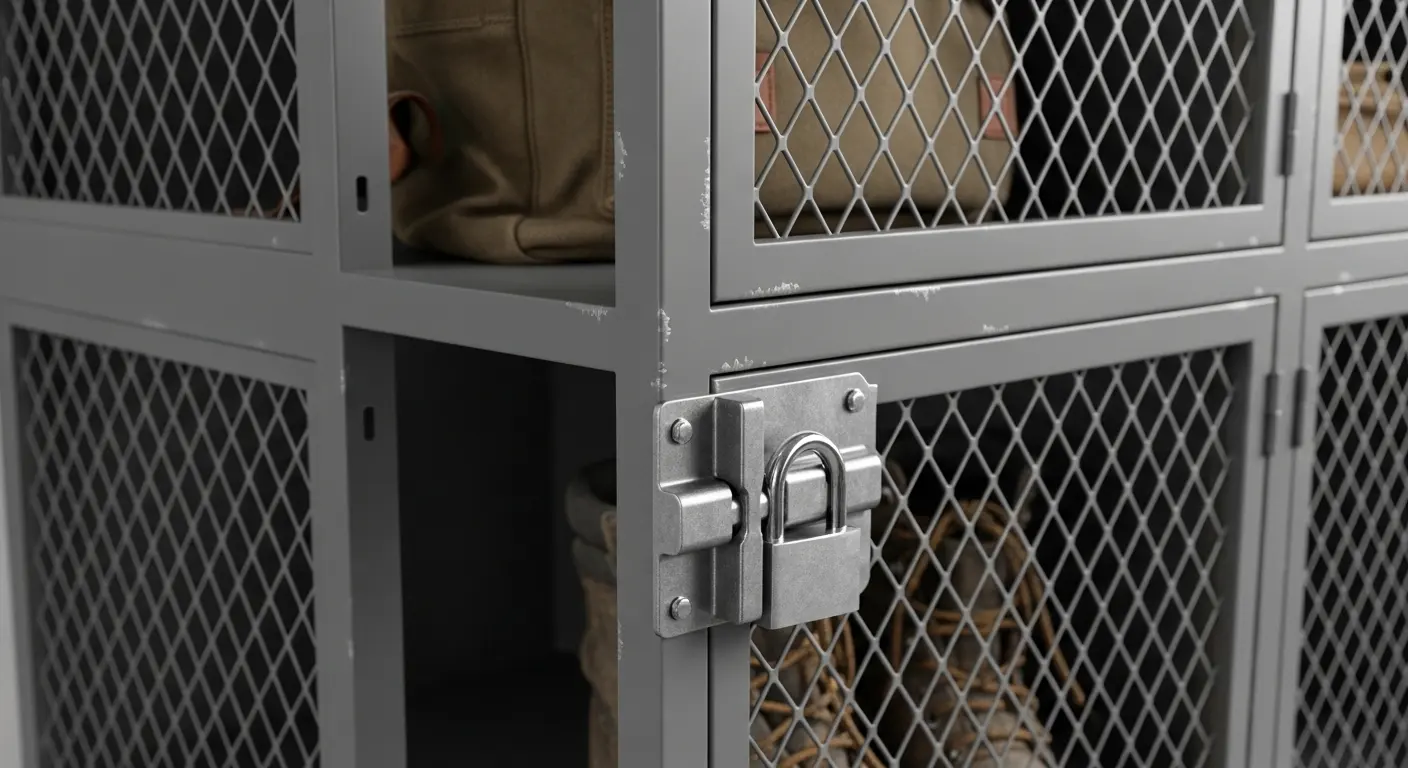
The locking mechanisms on these units are typically robust "hasp and staple" designs. This allows users to bring their own heavy-duty padlocks. In an industrial setting, we recommend padlocks with a shackle diameter of at least 7mm. This ensures that the physical lock is just as tough as the welded steel wire frame.
How does the mesh design assist in loss prevention?
The mesh design assists in loss prevention by providing a 100% "visual audit" capability. Supervisors and security personnel can verify the contents of every locker without needing keys or permission to open doors. This transparency discourages employees from hiding company property, stolen inventory, or prohibited items like weapons and hazardous materials.
In high-stakes logistics centers, internal shrinkage is a constant battle. I have witnessed facilities where the implementation of wire mesh compartment lockers reduced losses by over 20% in the first quarter. When storage is transparent, accountability increases. It creates a self-policing environment where everyone is aware that their actions are visible.
- Instant Audits: Walk the floor and inspect 100 lockers in minutes.
- Hazard Identification: Spot smoldering batteries or leaking chemicals before they cause a fire.
- Prohibited Items: Easily identify alcohol, drugs, or weapons in sensitive areas.
- Abandoned Units: See instantly which lockers are empty so they can be reassigned.
Where are triple tier mesh lockers most effectively used?
Triple tier mesh lockers are most effective in high-turnover environments such as construction sites, gym changing rooms, and retail staff zones. They excel in any facility where users only need to store bags and jackets rather than full-length suits. They are also vital for high-security government and industrial sites requiring constant visual surveillance.
Industrial and Construction Sites
On a construction site, gear is heavy and often muddy. Using triple tier mesh lockers allows workers to store their boots and hard hats in a ventilated environment. I’ve seen site managers use these to clear up the "boot clutter" that usually blocks hallway fire exits. Because they are often zinc-plated, they handle the grit and moisture of a site welfare room without rusting.
Fitness and Athletic Centers
Gym members usually only carry a gym bag, a towel, and a water bottle. They don't need a full-height wardrobe. A triple-tier system provides the perfect cubby size. By using these, a gym can serve three times the members, which is critical during the "after-work rush" when locker availability becomes a bottleneck.
Retail and Hospitality Staff Rooms
Retail staff rooms are notoriously small. Most employees arrive, take off their personal jacket, and put on their uniform. A triple-tier unit is the perfect size for their street clothes and bag. It keeps the back-of-house area professional and prevents the "pile of bags" on the breakroom table.
How does ventilation impact hygiene in multi-tier storage?
Ventilation impacts hygiene by ensuring 360-degree airflow, which prevents the buildup of moisture, mold, and stale odors. In a triple-tier configuration, air moves freely through the mesh, allowing damp gear to dry naturally. This eliminates the dark, humid "micro-climates" found in solid metal lockers that promote the growth of bacteria and fungi.
Hygiene is about more than just a clean smell; it is a health and safety issue. I recall a warehouse in a humid coastal area that used solid lockers. The mold growth inside was so bad it was causing skin irritations for the staff. We swapped them for ventilated lockers and the issue was resolved within weeks.
- Evaporative Drying: Moisture from rain or sweat dissipates quickly.
- No Odor Traps: Stale air cannot settle, keeping the changing room fresh.
- Pest Deterrent: Roaches and rodents hate open, well-lit, and airy spaces.
- Light Penetration: Light passes through the mesh, naturally inhibiting some bacterial growth.
What technical specifications should you look for in a triple tier locker?
You should look for a minimum 12-gauge welded steel wire for the mesh and an 8mm solid rod or 25mm box section frame. Ensure the unit has a high-quality finish, such as Bright Zinc Plate (BZP) or a durable powder coating. The "hasp and staple" locking mechanism should be reinforced to prevent prying during a forced entry attempt.
Technical specs are where you separate the professional gear from the cheap imitations. In my experience, the "all-welded" construction is non-negotiable for industrial use. If a unit is bolted together, it will eventually "rack" or lean under the pressure of daily use.
- Wire Gauge: Lower numbers mean thicker wire. 10-gauge is extremely heavy-duty. 12-gauge is the commercial standard.
- Finish: BZP is best for damp areas; powder coating offers various colors for branding.
- Aperture Size: 25mm x 25mm offers higher security; 50mm x 50mm offers higher visibility and airflow.
- Legs: 150mm legs raise the unit off the floor for easier cleaning and mopping.
How to install and maintain triple tier mesh lockers safely?
To install triple tier mesh lockers safely, you must anchor them to both the floor and a solid wall using heavy-duty expansion bolts. Maintenance is minimal; simply wipe the mesh with a damp cloth or blow out dust with compressed air. Periodically check the locking hasps and door hinges for smooth operation and apply a light lubricant annually.
Installation is the most overlooked safety step. Because mesh lockers are lighter than solid steel, some managers think they can leave them free-standing. Never do this. A full triple-tier unit has a high center of gravity. If three people pull on the doors at once, the unit could tip.
- Leveling: Use metal shims to ensure the units are perfectly vertical on uneven floors.
- Anchoring: Use at least two floor bolts and two wall anchors per bank of lockers.
- Nesting: Bolt adjacent units together to create a single, massive storage wall.
- Cleaning: Use a vacuum with a brush attachment to clear any dust that settles on the horizontal wires.
Maintenance for mesh is significantly easier than solid metal. You don't have to open the doors to see if the locker needs cleaning. The "visual maintenance" model saves your cleaning crew hours every week.
How do they compare to larger changing room lockers?
Triple tier lockers provide higher density but smaller individual compartments compared to full-height changing room units. A big size mesh locker for changing room is best for users who need to hang full-length coats or store large toolboxes. Triple-tier units are the better choice when the goal is to serve as many people as possible in a limited footprint.
| Category | Triple Tier Mesh | Full-Height Changing Room |
| Capacity | 3 People | 1 Person |
| Hanging Space | Limited (Folded jackets only) | Full-length (Uniforms/Suits) |
| Footprint | 0.1 sq meters per user | 0.3 sq meters per user |
| Audit Speed | Instant | Instant |
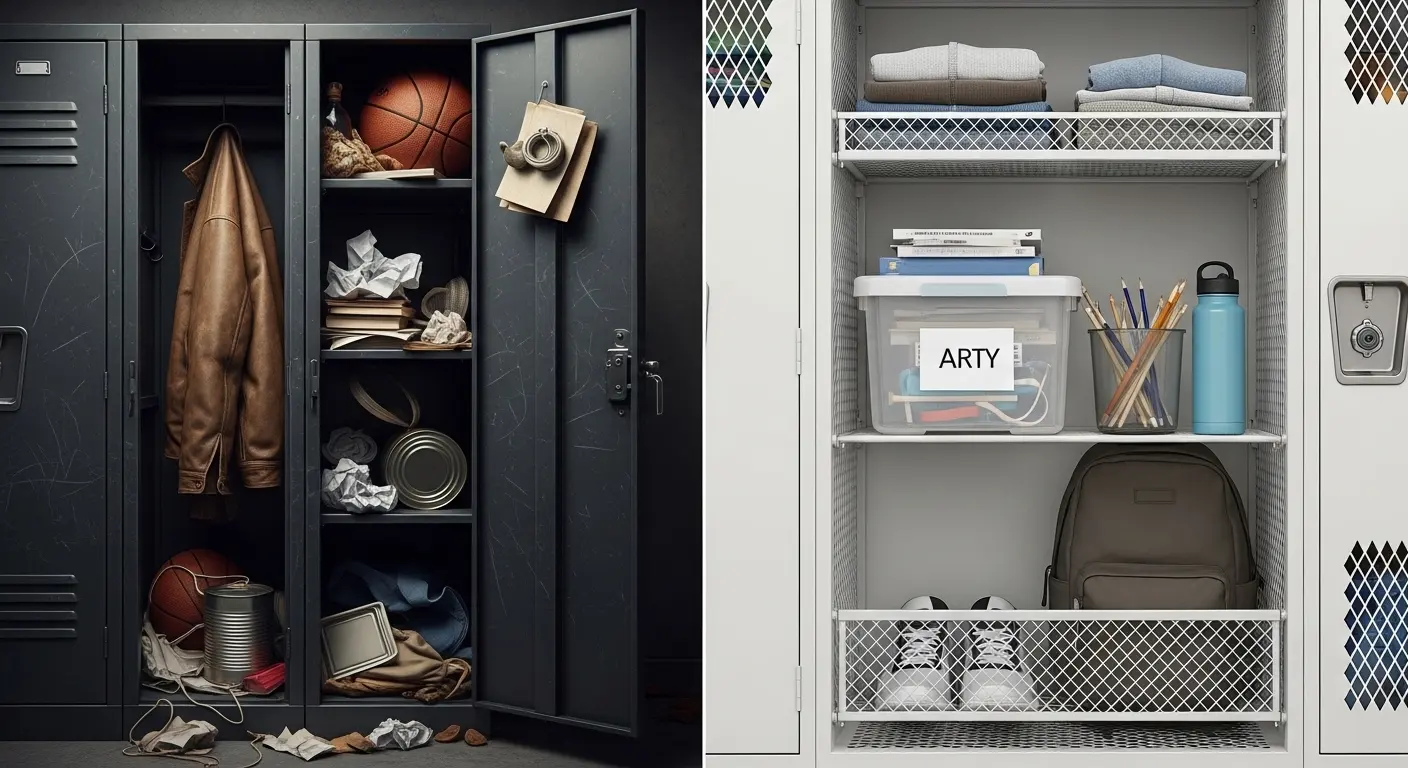
If your staff changes out of professional suits or full uniforms, you need the height. But for the vast majority of modern industrial and fitness applications, people just need a "bin" for their gear. Triple-tier units deliver that bin at the lowest cost per user.
Summary: Designing for Density and Safety
Investing in triple tier mesh lockers is a commitment to efficiency and transparency. By utilizing vertical space, you create a more organized and productive environment. These units solve the dual problems of floor clutter and poor ventilation. They are durable, easy to maintain, and provide the high-level security that modern facilities demand.
Don't let your facility be limited by its floor plan. Lift your storage into the vertical dimension and breathe new life into your space. With high-quality welded wire and a triple-stack configuration, you are choosing a solution that works as hard as you do.
