
Mesh Locker Replacement Parts and Maintenance
Finding the right mesh locker replacement parts is essential for maintaining a safe and efficient storage environment. Every facility manager eventually faces wear and tear on high-traffic storage units. Instead of replacing the entire unit, you can extend the life of your investment by swapping out specific components. This guide covers everything from hinge repairs to lock upgrades. We will walk you through identifying the correct hardware and performing the repairs yourself. By the end of this article, you will know exactly how to keep your storage systems in peak condition for years to come.
When should you look for mesh locker replacement parts?
You should look for mesh locker replacement parts when you notice compromised security, structural sagging, or restricted door movement. Prompt repairs prevent minor issues from becoming safety hazards. If a lock hasp is bent or a hinge is squeaking excessively, it is time for an inspection. Replacing individual parts is significantly more cost-effective than buying new locker banks.
In my years managing industrial warehouses, I have seen how a single broken door can slow down an entire shift. Employees get frustrated when they can't secure their gear. Often, the issue is just a loose pivot pin or a rusted spring. I’ve found that mesh lockers are incredibly resilient, but their moving parts take the most abuse.
Keep an eye out for these specific signs of failure:
- Door Misalignment: This usually indicates a bent hinge or a failing frame.
- Rust at Weld Points: Critical for lockers in damp environments.
- Difficulty Locking: A sign that the hasp or cam lock is worn out.
- Jagged Mesh Edges: This happens after heavy impact and can snag clothing.
What are the primary types of hinges for wire mesh lockers?
The primary types of hinges for wire mesh lockers include pivot hinges, continuous piano hinges, and heavy-duty butt hinges. Pivot hinges are most common because they are hidden and hard to tamper with. Continuous hinges offer the most durability for high-traffic doors. Knowing which one you have is the first step in successful repair.
Identifying your hinge type is the most common hurdle for maintenance crews. I once worked with a school that ordered 50 butt hinges when they actually needed pivot pins. It was a costly mistake.
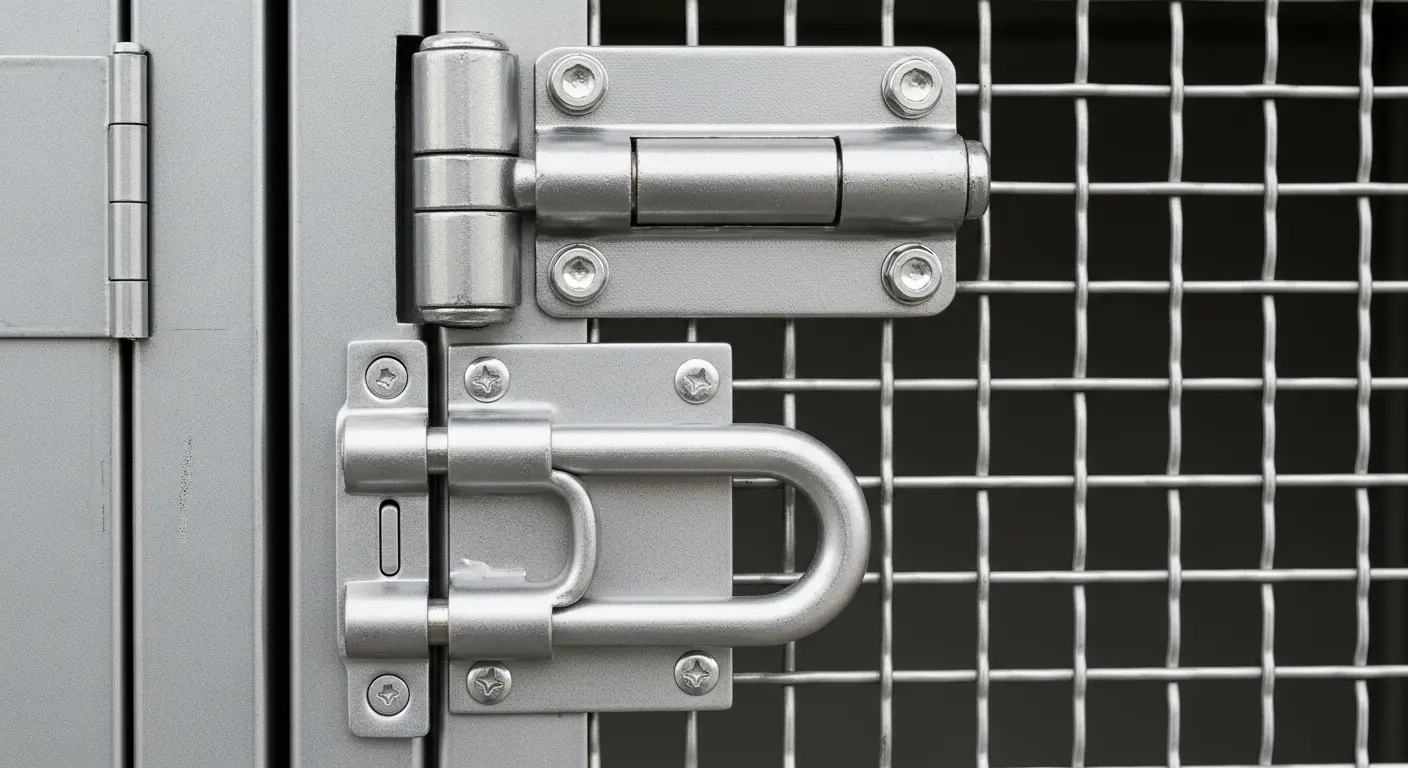
- Pivot Hinges: These use a pin at the top and bottom of the door. They are sleek and allow for a clean look.
- Piano Hinges: These run the full length of the door. They are excellent for best mesh lockers for factory storage where doors are opened dozens of times daily.
- Leaf/Butt Hinges: These are standard hinges screwed into the frame and door. They are the easiest to replace but are more exposed to potential tampering.
If you are maintaining an sfs metal mesh locker, ensure you check the weld thickness before ordering replacement pins. High-quality pins should be made of stainless steel to prevent seizing.
How do you identify the right lock mechanisms for replacement?
To identify the right lock mechanisms, you must measure the diameter of the existing hole and the thickness of the door mesh. Most mesh lockers use a standard padlock hasp or a cam lock. Verify the "throw" distance of the cam to ensure it clears the frame. Always choose hardware that matches the original security rating of your locker.
Security is the heart of any storage system. If the lock fails, the locker is useless. In my experience, the padlock hasp is the most reliable choice for industrial mesh lockers Chicago settings. Padlocks allow users to manage their own keys. It also reduces the administrative burden on the facility manager.
| Lock Type | Best Use Case | Security Level | Replacement Ease |
| Padlock Hasp | Staff rooms/Factories | Medium-High | Very Easy |
| Cam Lock | Offices/Schools | Medium | Moderate |
| Digital Keypad | Tech hubs/Gyms | High | Difficult |
| Coin Return | Public venues | Medium | Moderate |
Tip: When replacing a cam lock, always use a "spur washer." This prevents the lock from spinning in the mesh hole when a key is turned.
Can you repair a damaged wire mesh panel without replacing the door?
Yes, you can repair a damaged wire mesh panel by using mesh patching kits or spot welding. For minor snags, a specialized wire clip can bridge the gap. For larger structural holes, it is safer to replace the entire door to maintain the unit's integrity. Patching is an excellent temporary fix for maintaining visibility and security.
I’ve seen some "creative" repairs in my time. Some use zip ties, but I strongly advise against that. Zip ties can be cut easily and they look unprofessional. If you are managing hotel staff mesh lockers, aesthetics matter. A professionally welded patch or a door replacement keeps the back-of-house area looking sharp.
For a DIY patch:
- Trim the jagged wires with heavy-duty snips.
- Sand down the edges to prevent skin scrapes.
- Apply a wire mesh patch kit that matches your aperture size (usually 25mm or 50mm).
- Secure the patch with galvanized clips.
How do you replace a mesh locker door?
To replace a mesh locker door, start by removing the hinge pins or unscrewing the leaf hinges while supporting the door's weight. Align the new door with the frame's mounting points. Reinsert the pins or screws, ensuring the door swings freely without rubbing. Final adjustments to the levelness of the unit can resolve minor alignment issues.
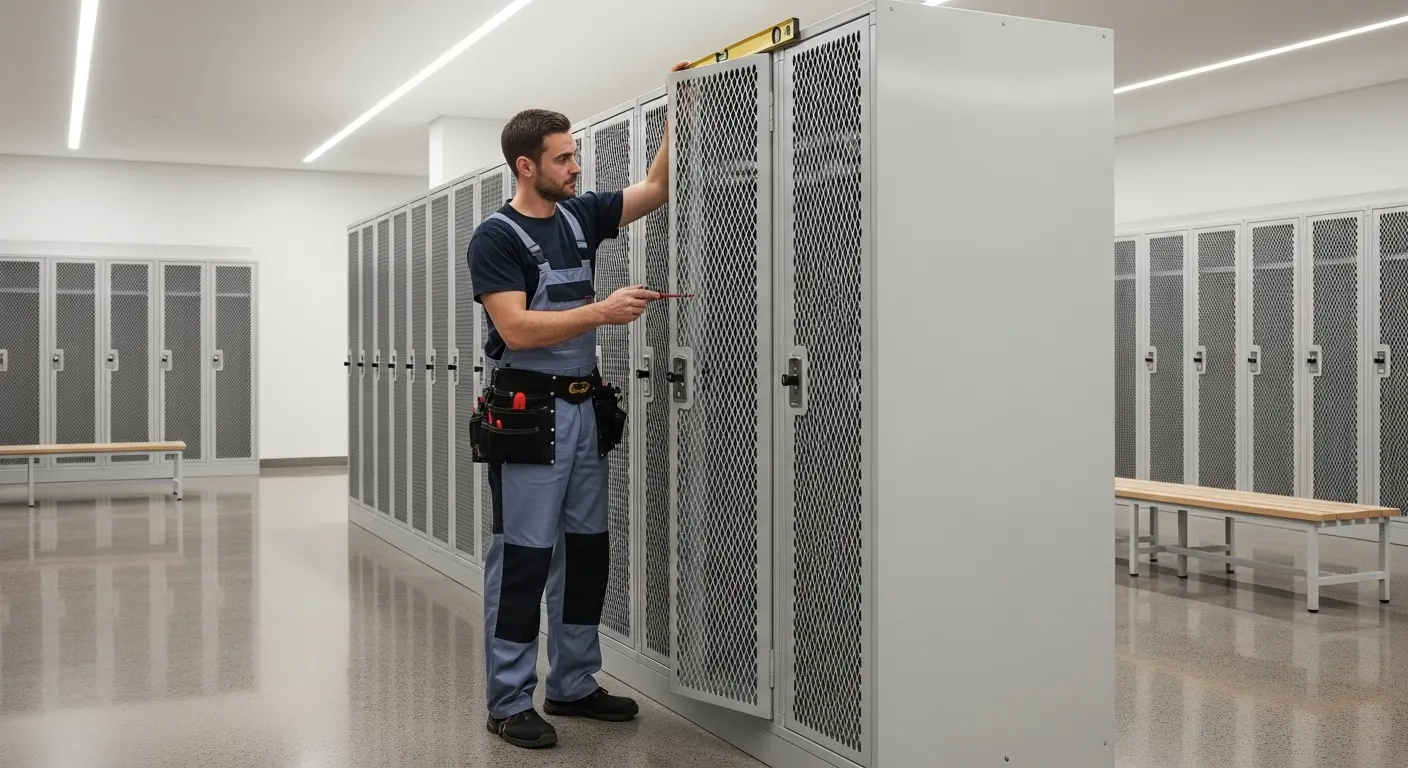
This is a two-person job. Don't try to hold a heavy steel door and tap a pin in at the same time. I’ve learned this the hard way after dropping a door on my toe!
- Step 1: Clear out the locker contents.
- Step 2: Use a hammer and a punch to drive out old pivot pins from the bottom up.
- Step 3: Lift the old door out of the way.
- Step 4: Inspect the frame for any bends. Straighten them before installing the new door.
- Step 5: Slide the new door into place and tap the new pins in.
If the door still rubs, check the locker feet. Often, a locker isn't level. This causes the frame to "rack" or tilt. Adjusting the leveling feet can often "fix" a door that seems broken.
What parts are necessary for waterproof and moisture-proof lockers?
Necessary parts for waterproof lockers include stainless steel hinges, plastic-coated wire mesh, and nylon locking nuts. These components resist corrosion and prevent the "red rust" that destroys metal in humid environments. Using standard steel parts in a wet area will lead to failure in less than a year. Always specify marine-grade hardware for maximum longevity.
If you are operating in the waterproof moisture proof lockers Europe market, you know that humidity is the silent killer of storage. Standard powder coating is not enough. You need the underlying parts to be resistant.
Tip: Apply a thin layer of marine-grade grease to all moving parts once a year. This creates a barrier against moisture and keeps hinges moving smoothly.
Where is the best place to source mesh locker replacement parts?
The best place to source mesh locker replacement parts is directly from the original manufacturer or a specialized industrial hardware supplier. Buying "universal" parts from a general hardware store often leads to fitment issues. Always provide the manufacturer with your locker's model number or serial tag to ensure the components match the original specifications exactly.
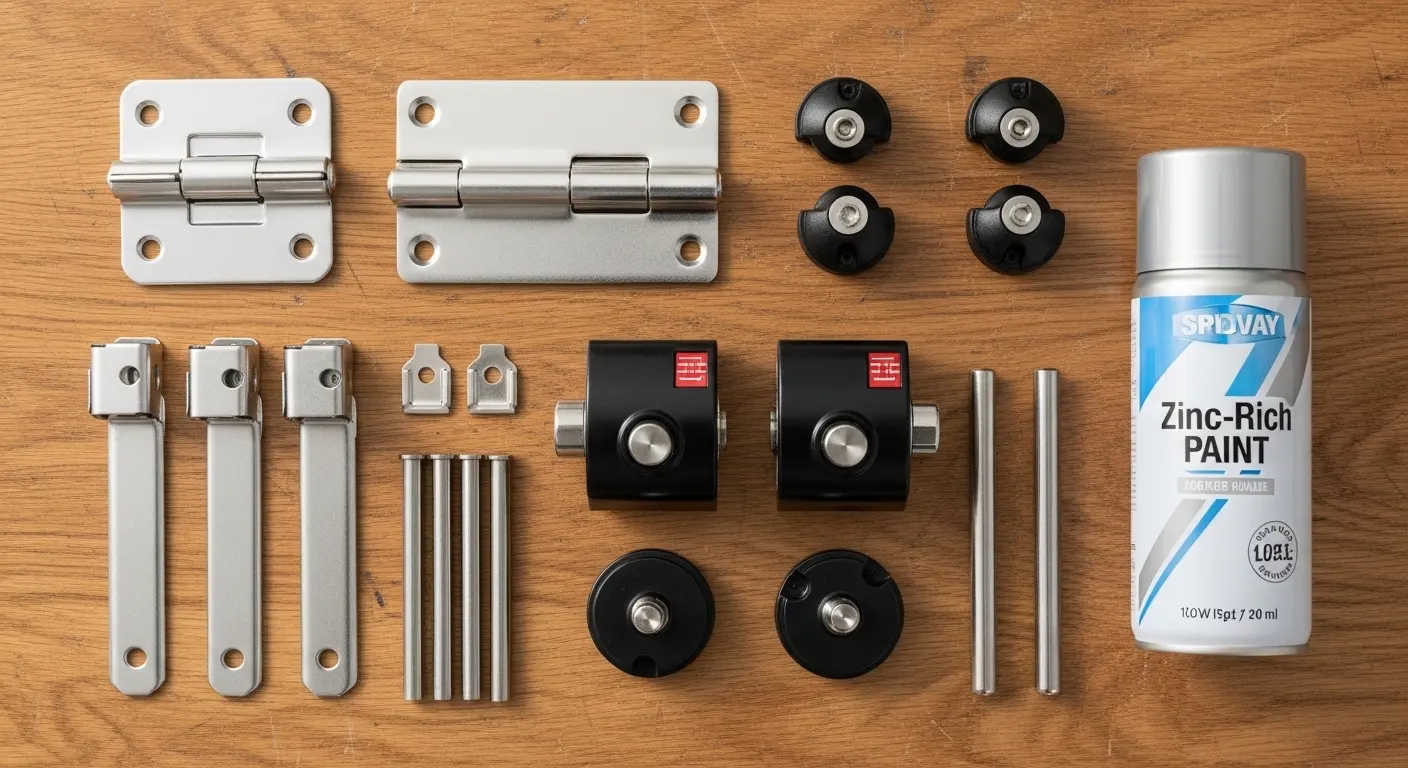
I always recommend keeping a small "maintenance kit" on-site. This should include:
- 10 spare pivot pins.
- 5 padlock hasps.
- A set of leveling feet.
- Touch-up paint (Zinc-rich primer is best).
Buying in bulk can save you a lot of money. [Data: Facilities that stock 5% of their locker parts on-site reduce repair downtime by over 80%.] If you are outfitting change room lockers, downtime means employees can't start their shift. Efficiency is everything.
How do you maintain the finish after replacing a part?
To maintain the finish after a repair, clean the area thoroughly and apply a zinc-rich cold galvanizing spray. This prevents rust from forming on exposed steel or new weld points. For color-matched lockers, use a high-quality epoxy touch-up paint. A consistent finish not only looks better but protects the structural integrity of the mesh for years.
Maintenance is the key to avoiding the need for parts in the first place. Every six months, someone should walk through the locker room with a "squeak check" list. If it squeaks, oil it. If it’s loose, tighten it.
- Clean: Use a wire brush to remove any loose rust.
- Prime: Apply a rust-inhibitor spray.
- Paint: Use a light coat of matching enamel.
- Seal: For extra protection, a clear coat can help in high-moisture zones.
Frequently Asked Questions
Can I upgrade my mesh lockers to digital locks?
Yes, most mesh lockers can be retrofitted with digital locks. However, you may need an adapter plate to cover the existing hasp hole. Ensure the digital lock is rated for the environment (e.g., moisture-resistant for gyms).
How do I know the wire gauge of my mesh?
You can use a digital caliper to measure the thickness of a single wire. Most heavy-duty lockers use 10-gauge (approx. 3.2mm) or 12-gauge (approx. 2.6mm) wire. Matching this gauge is vital for a seamless repair.
Is it cheaper to repair or replace?
Repairing is almost always cheaper. A new door might cost $40-$60, whereas a new locker unit could be $200-$400. Unless the main frame is rusted through or severely bent, repair is the better economic choice.
Why do my doors keep sagging after I fix them?
Check the wall anchors. If the locker bank is not securely attached to the wall or floor, it will shift. This shifting causes the doors to fall out of alignment. Tighten the wall bolts first!
Where can I find the model number?
Look for a small metal plate on the top corner of the locker or inside the door. If you can't find it, take a photo of the hinges and hasp and send it to the GoodLockers support team for identification.
Summary: Keeping Your Storage Systems Secure
Maintaining your storage facility doesn't have to be a headache. By sourcing the right mesh locker replacement parts, you can keep your operation running smoothly and safely. Focus on the high-wear items like hinges and locks. Always choose hardware that matches your environment—whether that is an industrial Chicago warehouse or a high-end European hotel. Regular maintenance and quick repairs are the best ways to protect your investment.
Would you like me to create a specific maintenance schedule template for your facility, or do you need help identifying a specific part from a photo?
