
Choosing the Right Mesh Locker Manufacturer: A Complete Professional Guide
Finding a reliable mesh locker manufacturer is the first and most critical step toward securing your facility’s assets. Over my years of consulting for warehouse logistics and commercial infrastructure, I have witnessed the direct impact of manufacturing quality on operational success. A cheap locker is a liability that leads to rust, door misalignment, and security breaches. Conversely, a high-quality unit is a long-term investment that improves hygiene and visibility. This guide serves as your definitive roadmap for evaluating manufacturers. We will cover technical specifications, material benchmarks, and the logistical questions you must ask before signing a bulk contract.
What should you look for in a mesh locker manufacturer?
A professional mesh locker manufacturer should prioritize material gauge, precision welding, and durable finishes like zinc plating or powder coating. They must provide transparent technical data and meet international safety standards. The best manufacturers offer a range of configurations and clear warranties, ensuring your storage remains secure, ventilated, and structurally sound for decades.
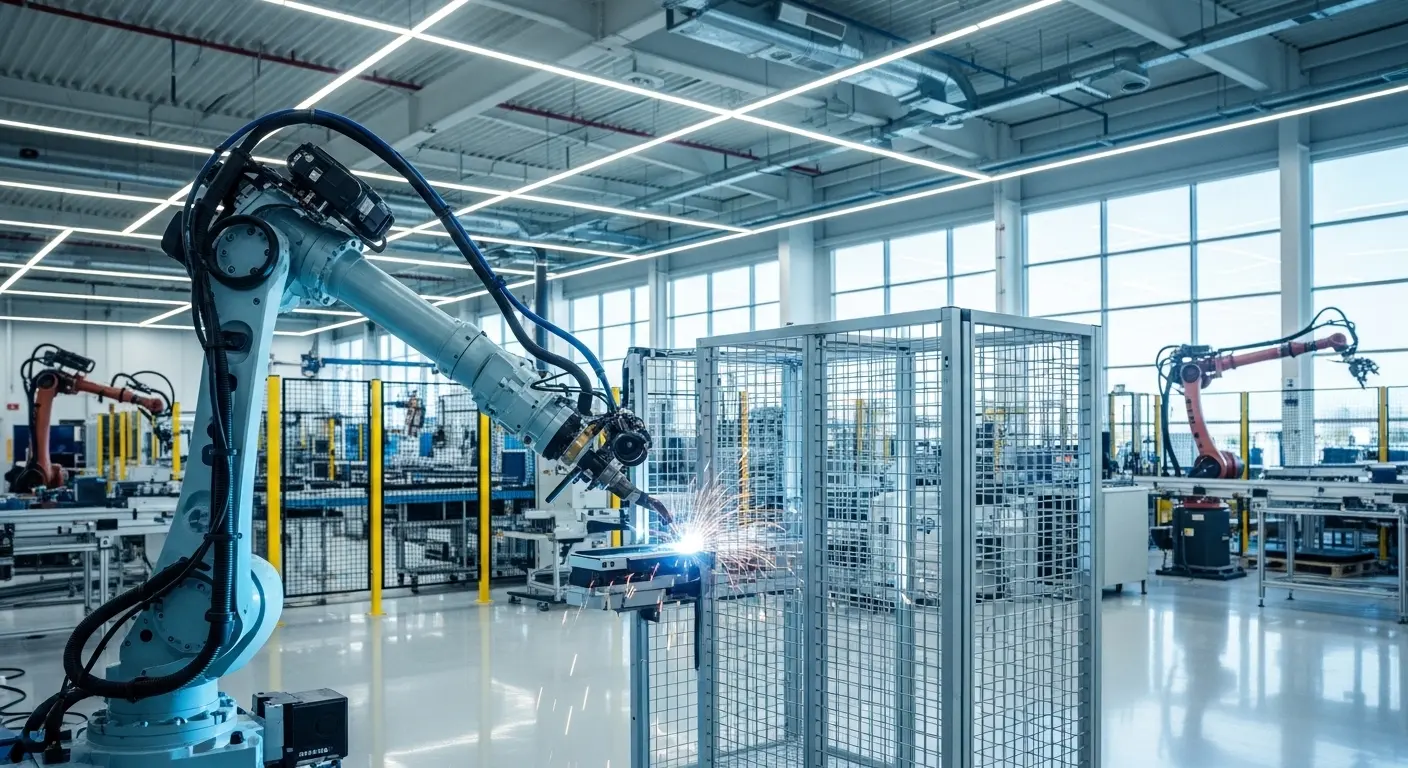
When I audit a production facility, I always head straight for the welding line. A top-tier mesh locker manufacturer uses automated electronic welding at every wire intersection. This isn't just for looks. It creates a rigid truss effect. In a high-traffic environment, lockers are constantly bumped and slammed. If the welds are weak, the wire will pop out, creating sharp edges and compromising security.
You should also look at the material sourcing. High-grade steel wire is essential for impact resistance. If you are comparing suppliers, ask for their wire gauge specifications. A standard 12-gauge wire is suitable for schools, but for industrial use, you should demand 10-gauge or even 8-gauge for heavy-duty frames. These small details define the difference between a storage box and a security asset.
Why is material gauge a critical factor for manufacturers?
Material gauge is critical because it determines the physical strength and weight capacity of the storage unit. A mesh locker manufacturer using 10-gauge steel provides a much more resilient barrier than one using 14-gauge wire. Thicker wire prevents the doors from sagging and ensures the lockers can withstand heavy impacts from tools or pallet jacks without denting.
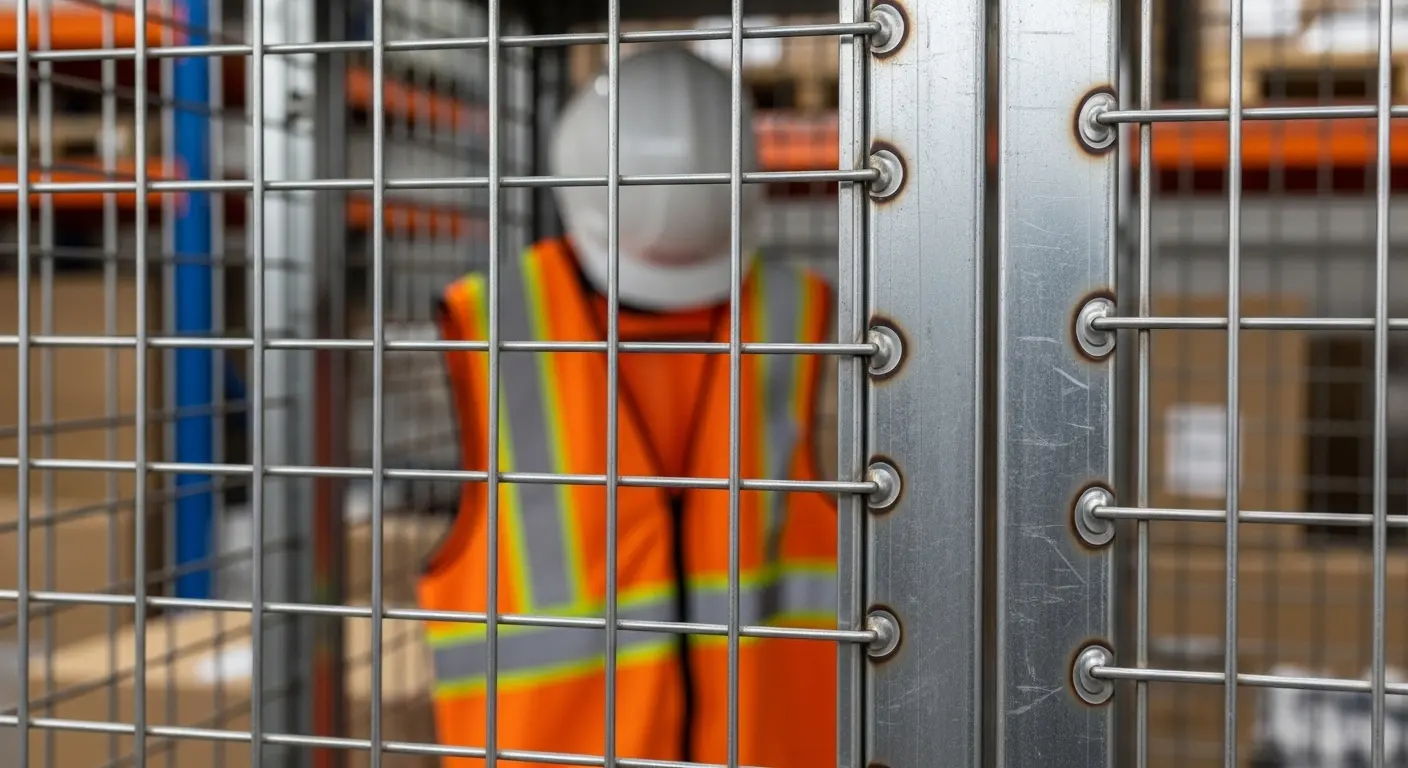
I once worked with a retail distribution center that tried to save 15% on their initial order by choosing a lower-gauge wire. Within eighteen months, the doors were warped and wouldn't lock properly. We had to replace the entire row with heavy-duty mesh lockers from a more reputable source.
| Gauge Type | Wire Diameter (Approx) | Recommended Use Case |
| 8-Gauge | 4.0mm | High-security industrial gear |
| 10-Gauge | 3.2mm | Standard warehouse/Logistics |
| 12-Gauge | 2.6mm | Schools, Gyms, Staff rooms |
| 14-Gauge | 2.0mm | Lightweight personal effects |
Tip: Always ask for the frame gauge as well. A thick mesh is useless if it is attached to a flimsy, thin-walled frame. A 25mm box section frame is the industry standard for durability.
How do security mesh locker manufacturers in Europe ensure safety?
Reliable security mesh locker manufacturers in Europe focus on compliance with strict health, safety, and fire regulations. They use non-toxic powder coatings and ensure their designs don't interfere with fire suppression systems. By following European standards (EN), these manufacturers provide storage that is inherently safer for public and high-stakes government environments.
One major advantage of working with European suppliers is their focus on "visual security." In regions requiring high transparency, clear view mesh locker manufacturers in Europe lead the way. These units allow for instant security audits while maintaining a professional aesthetic. I’ve seen these used effectively in airports and courthouses where transparency is a non-negotiable security requirement.
Furthermore, European manufacturers are pioneers in ergonomics. They design lockers that are accessible and easy to maintain. This reduces the risk of workplace injuries during loading and unloading. They often integrate features like snag-free mesh and smoothed corners, which prevent injury to users and damage to expensive uniforms.
What customization options should a manufacturer offer?
A professional manufacturer should offer custom dimensions, varied mesh apertures, and specialized locking mechanisms to suit your facility’s needs. They should be able to provide modular wire mesh compartment lockers and accessories like garment rails or sloping tops. Customization ensures that the storage solution fits your floor plan perfectly without leaving wasted "dead zones."
In my experience, "standard" sizes rarely fit every room. I recently consulted for a property manager who needed to fit storage around an awkward structural pillar. A standard locker bank was impossible. A custom mesh locker manufacturer was able to design a bespoke corner unit that reclaimed 15% of the floor space.
- Sloping Tops: Prevent dust accumulation and stop people from leaving litter on top.
- Integrated Benches: Perfect for narrow changing rooms where floor space is limited.
- Adjustable Shelving: Allows the user to tailor the interior for specific tool sizes.
- Nesting: Buying "nested" units (lockers joined together) reduces cost and increases stability.
Tip: If you have low-hanging pipes or electrical conduits, ask for atopless wire partition mesh locker. It provides security while allowing infrastructure to pass through the top of the unit safely.
How does a manufacturer guarantee fire safety compliance?
Manufacturers guarantee fire safety by designing "open-weave" mesh that allows smoke detection and sprinkler water penetration. Solid lockers can act as umbrellas, shielding a potential fire from building suppression systems. A reputable manufacturer will provide data on how their mesh density allows for 360-degree water access, which is often a mandatory requirement for building insurance.
Fire safety is where many facility managers get caught out during inspections. I have walked through warehouses where the fire marshal ordered the removal of solid lockers because they were too close to the ceiling. Mesh lockers don't have this problem. Because air and water can move through them, they don't count as "obstructions" in the same way.
By choosing a specialized mesh locker manufacturer, you are proactively protecting your building. You ensure that in the event of a smolder, the heat and smoke pass through the mesh to trigger sensors immediately. This can be the difference between a minor incident and a total loss of the facility.
Why are visual audits a key selling point for manufacturers?
Visual audits are a key selling point because they allow security and management teams to inspect locker contents without opening doors. This transparency discourages internal theft and prevents the storage of prohibited items. Manufacturers who specialize in "clear view" designs help facilities reduce administrative labor costs associated with managing hundreds of physical keys and combinations.
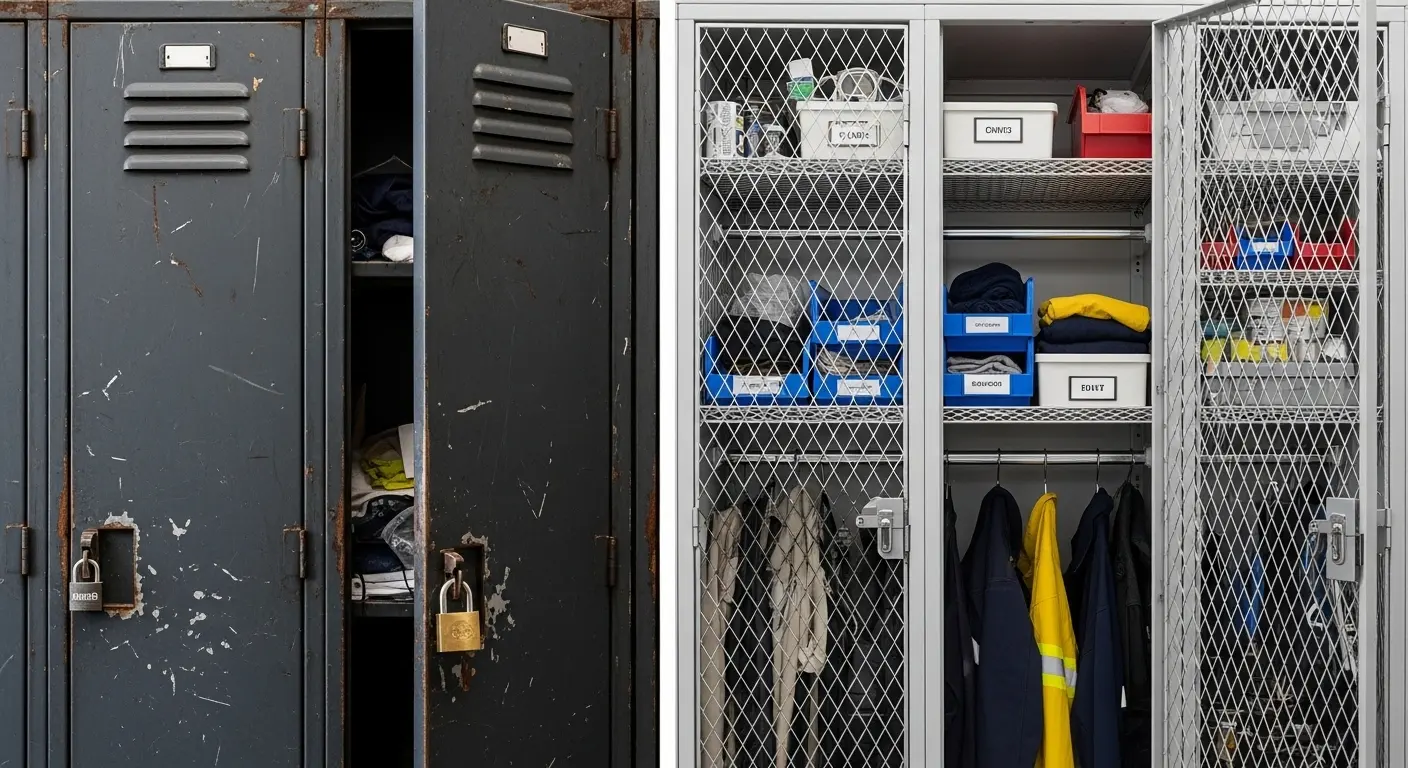
I call this the "Fishbowl Effect." When an employee knows their locker is visible to supervisors and cameras, they are 80% less likely to store unauthorized items. I’ve seen retail backrooms reduce shrinkage significantly just by switching to mesh storage. It builds a culture of accountability and trust.
- Safety Checks: Identify smoldering batteries or leaking chemicals instantly.
- Health Checks: Spot rotting food or damp gym gear that could attract pests.
- Inventory Control: Ensure shared company tools aren't being hoarded in private lockers.
If you are managing a residential building, check out our tenant storage lockers wire mesh guide for more on how visibility protects both the tenant and the landlord. It’s about creating a transparent environment where everyone feels secure.
How to evaluate a manufacturer’s logistics and support?
You must evaluate a manufacturer’s logistics by checking their lead times, shipping methods, and on-site assembly support. A reliable manufacturer should provide LTL (Less Than Truckload) shipping options and clear assembly instructions. For large-scale projects, they should offer "fully-welded" units that arrive ready to anchor, saving you hundreds of hours in labor costs.
Logistics is often the "hidden" cost of a storage project. If your lockers arrive flat-packed, do you have the labor to build them? I once saw a warehouse project stall for two weeks because the lockers were delivered as a "DIY kit" that required 400 man-hours to assemble.
- Lead Times: Ask for realistic production windows. Don't be fooled by "ships today" promises on custom orders.
- Packaging: Ensure units are shrink-wrapped and palletized to prevent scratches during transit.
- Anchoring Hardware: A good manufacturer will include (or recommend) the high-grade expansion bolts needed for floor and wall anchoring.
- Support: Verify if they have a dedicated account manager who can handle RMAs or replacement parts if a unit is damaged during shipping.
Summary: Investing in Quality Manufacturing
Choosing the right mesh locker manufacturer is a decision that impacts your facility for the next twenty years. You aren't just buying a metal box; you are investing in the safety of your staff and the security of your assets. Prioritize heavy-gauge wire, automated welding, and a history of compliance with safety standards.
Don't settle for "standard" when your room needs a bespoke fit. Look for a partner who offers the customization needed to maximize your floor plan. By demanding high-quality materials and professional support, you ensure that your storage system remains a silent, efficient partner in your daily operations.
