
Are Charging Phone Lockers Safe for Lithium Batteries?
Yes, professionally engineered charging phone lockers are entirely safe for lithium-ion batteries, provided they feature adequate ventilation, surge protection, and high-quality electrical components. While lithium batteries carry a minor risk of overheating, a high-quality locker acts as a controlled environment that is significantly safer than charging a device on a flammable surface like a couch or desk.
In this guide, you will learn how to:
- Identify the critical safety certifications for commercial lockers.
- Understand how ventilation prevents thermal buildup during fast charging.
- Evaluate the fire-containment properties of steel locker housing.
- Implement a safety-first charging policy for your facility.
The Science: Why Lithium-Ion Safety Matters in 2026
Lithium-ion batteries are the gold standard for mobile devices because of their high energy density. However, this density means they generate heat during the chemical reaction of charging. In 2026, with the prevalence of ultra-fast charging (often exceeding 60W-100W), managing that heat is more critical than ever.
When a battery is confined in a small space, heat can accumulate. If the heat exceeds the battery's operating threshold, it can lead to "thermal runaway"—a self-sustaining loop where rising temperatures cause further chemical breakdowns. High-quality cell phone lockers are specifically engineered to dissipate this heat, ensuring the battery remains within its safe operating temperature (typically between 0°C and 45°C during charging).
5 Essential Safety Features Every Charging Locker Needs
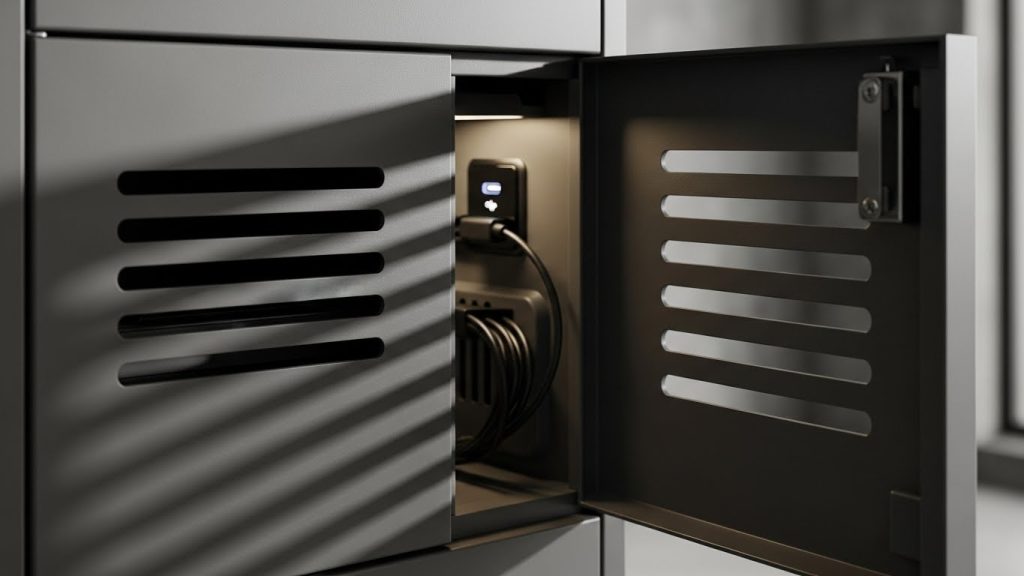
Not all lockers are created equal. When procuring units for high-traffic environments like schools or offices, these five features are non-negotiable for lithium-ion safety.
Intelligent Airflow & Ventilation Systems
Passive ventilation involves strategically placed slats or perforations that allow hot air to rise and escape while drawing in cooler air from the base. Advanced units may feature active cooling fans. Without proper airflow, a locker becomes an oven, significantly shortening the lifespan of the device's battery.
Integrated Surge Protection & Overload Circuits
Electrical spikes can damage a phone’s sensitive Battery Management System (BMS). Professional lockers include built-in surge protectors and circuit breakers that "trip" if a device draws irregular current, preventing electrical fires before they start.
Fire-Rated Steel Construction
In the rare event of a battery failure, the locker’s material is the final line of defense. Industrial-grade steel (often powder-coated) is designed to contain localized fires, preventing a single device failure from spreading to adjacent lockers or the building structure.
PowaSave & Auto-Shutoff Technology
Modern "Smart" lockers can detect when a device has reached 100% charge. By cutting off the power supply, the locker prevents "trickle charging" heat and reduces the wear on the lithium-ion cells, which is a key component to look for when reviewing a phone locker warranty.
Certified Cable Management
Using frayed or non-certified cables is the leading cause of charging fires. Top-tier lockers come with integrated, MFi-certified (Made for iPhone) or high-spec USB-C cables to ensure the connection is stable and heat-efficient.
Common Mistakes to Avoid:
- Buying "DIY" or wood-based lockers that lack fire-containment properties.
- Overcrowding a single locker unit with multiple devices using a power strip.
- Blocking ventilation holes by placing the locker flush against a soft wall or inside a closet.
Understanding Thermal Runaway in Confined Spaces
Thermal runaway occurs when a battery's internal temperature reaches a point where it begins to release more heat than it can dissipate. In a cheap, unventilated plastic container, this can lead to a fire.
In a professional steel locker, the environment is controlled. Even if a battery fails, the heavy-gauge steel compartments act as a "fire safe." The heat is localized, and the lack of combustible materials within the locker prevents the fire from gaining the fuel it needs to grow. This is why commercial-grade lockers are the preferred choice for a school locker policy where hundreds of devices are stored simultaneously.
Best Practices for Facility Managers (Safety Checklist)
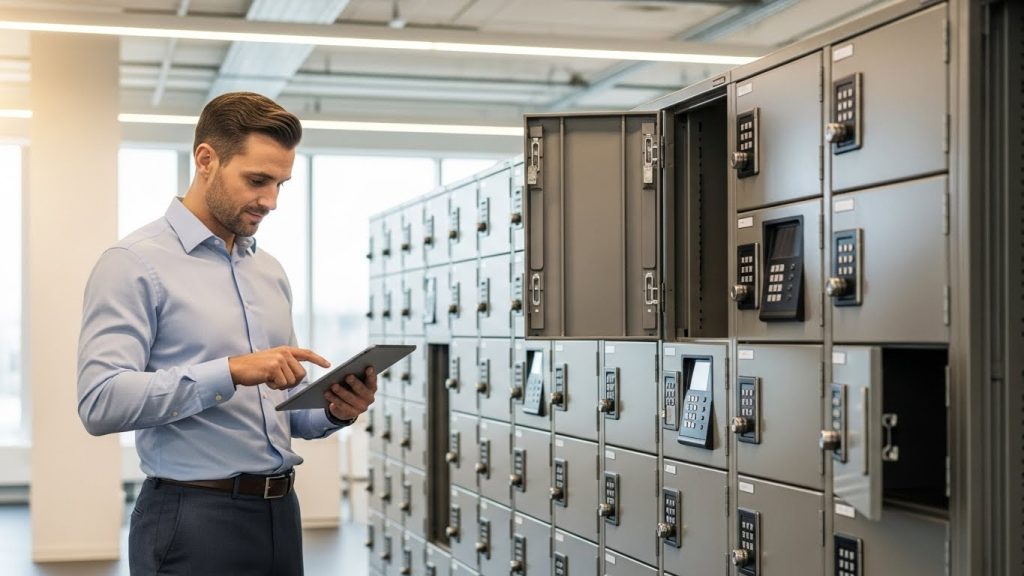
To maintain a 100% safety record, facility managers should implement the following protocols:
- Monthly Inspections: Check charging ports for debris or "char" marks.
- Clearance Zones: Ensure the locker unit has at least 2-3 inches of clearance from walls to allow for maximum airflow.
- Cable Integrity: Immediately replace any cables that show signs of wear or exposed wiring.
- User Education: Include a clause in your workplace phone policy that prohibits charging devices with visibly swollen batteries or cracked screens.
- Smoke Detection: Place a smoke detector in the immediate vicinity of large-scale charging banks (10+ units).
Frequently Asked Questions (FAQ)
While extremely rare, a battery can fail; however, a high-quality steel locker is designed to contain the heat and prevents the failure from damaging the surrounding area or other devices.
No, provided they have proper ventilation. Professional lockers use passive or active airflow to keep devices at or near room temperature during the charging cycle.
Integrated USB ports are generally safer as they often include built-in transformers and surge protection that regulate the voltage specifically for mobile devices.
Look for UL 62368-1 (international safety standard for ICT equipment), CE marking, or fire-rating certifications (needs verification) for the steel housing.
No. Charging in a locker is functionally identical to charging at a desk, provided you are using certified cables and the environment is ventilated.
This depends on the circuit's amperage. Most commercial units are designed to handle 10–20 phones on a single 15-amp circuit, but always check the manufacturer’s load rating.
Conclusion
Are charging phone lockers safe for lithium batteries? The answer is a definitive yes—if you invest in professional-grade equipment. By prioritizing ventilation, fire-rated materials, and electrical safeguards, you protect not only the devices but also your facility and its occupants.
