
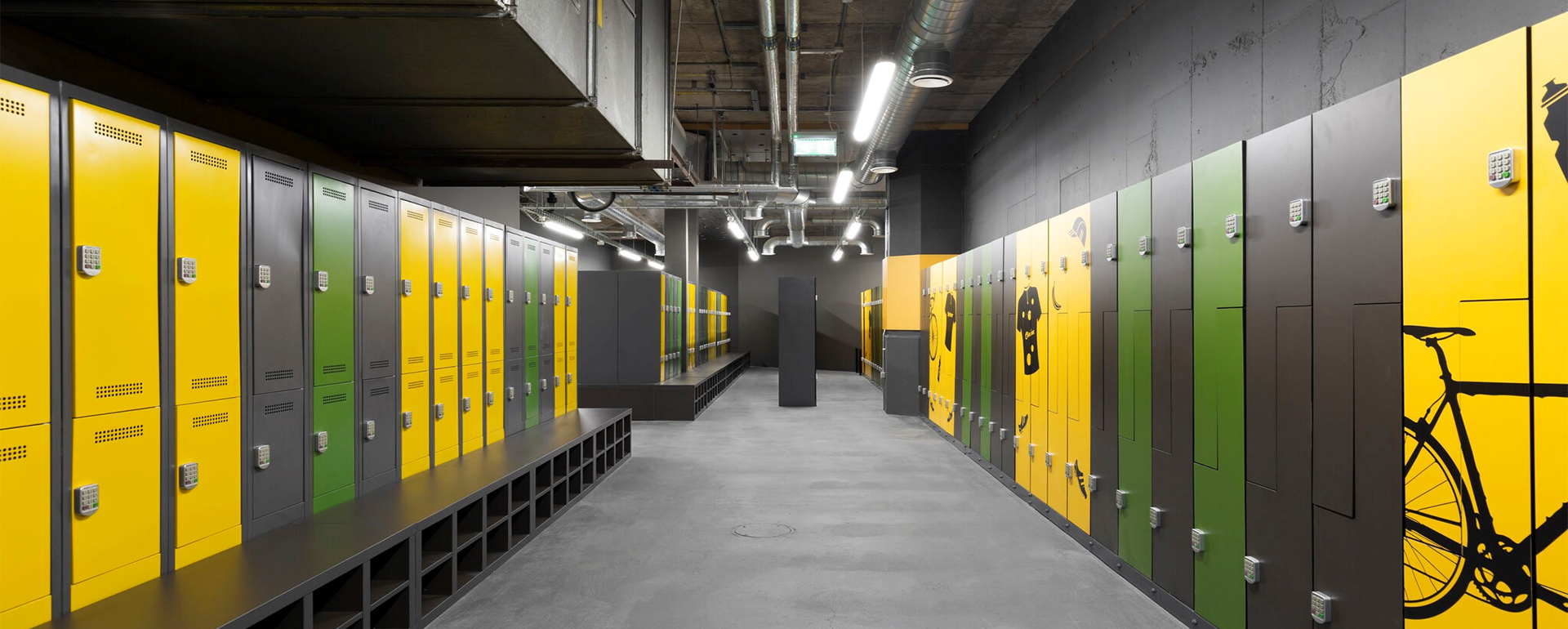
Swimming Pool Lockers: A Practical Guide for Safer, Cleaner Pool Facilities
The lockers in a swimming pool are at the centre of the experiences of individuals in a pool facility. Customers do not discuss lockers initially, but immediately they feel when storage is ineffective, packed, or inconvenient to use. Secure storage and clean locker area allow the visitors to feel comfortable and preserve personal items and make the pool deck more organized.
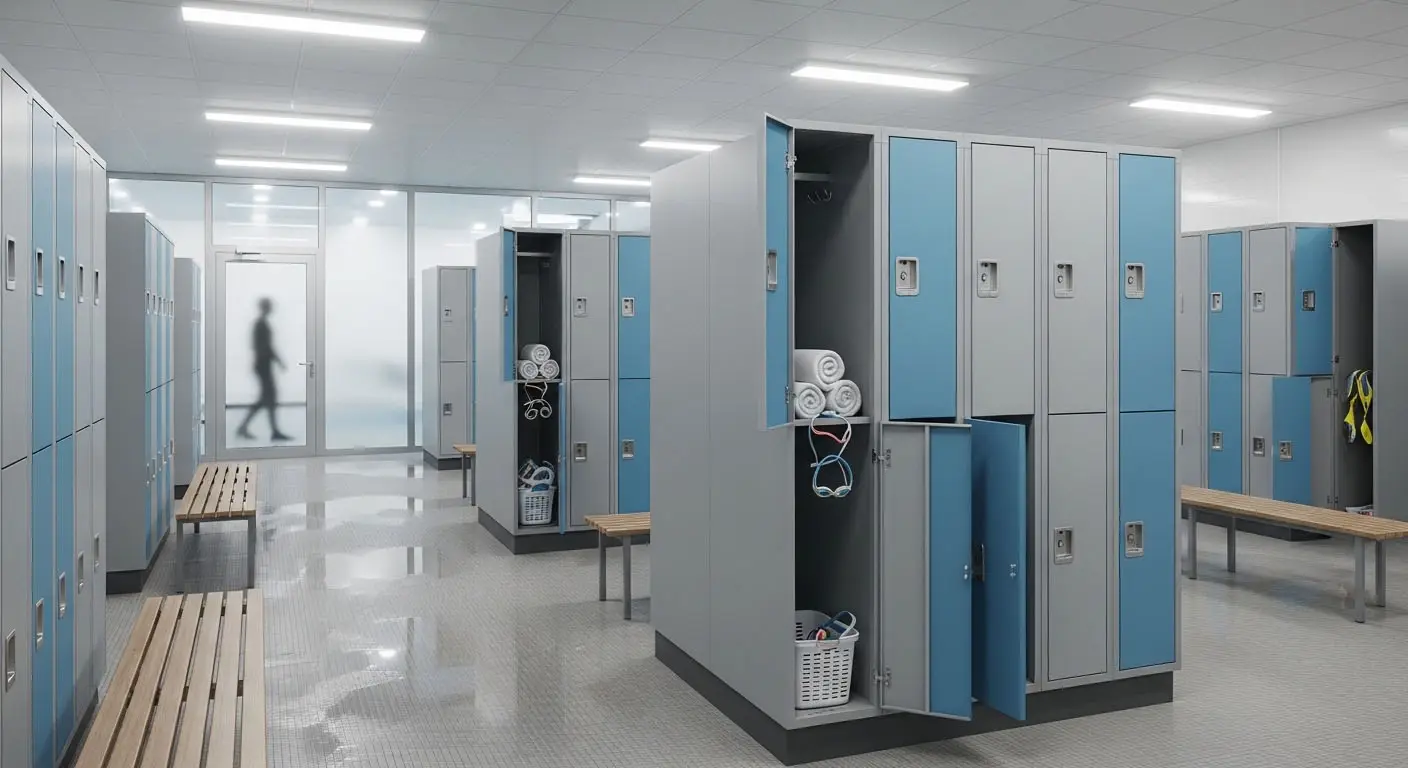
In the case of a public pool, hotel, fitness club, schools, and water parks, the choice of a locker influences the daily operations too. When the storage system is well planned, staff do not spend time in the lost items, cleaning of clutter, or solving access problems. The improved locker system can serve the safety regulations, the traffic flow, and a more professional image as well.
This guide describes what pool lockers are, why they are important, the most appropriate materials and how to select the appropriate layout of your facility.
What Are Swimming Pool Lockers?
Swimming pool lockers: these are lockers located in changing rooms or other adjacent dry places, which are designed with wet and damp environments. Before getting into the pool, users put there clothes, shoes, bags, wallets, phones and other personal stuff.
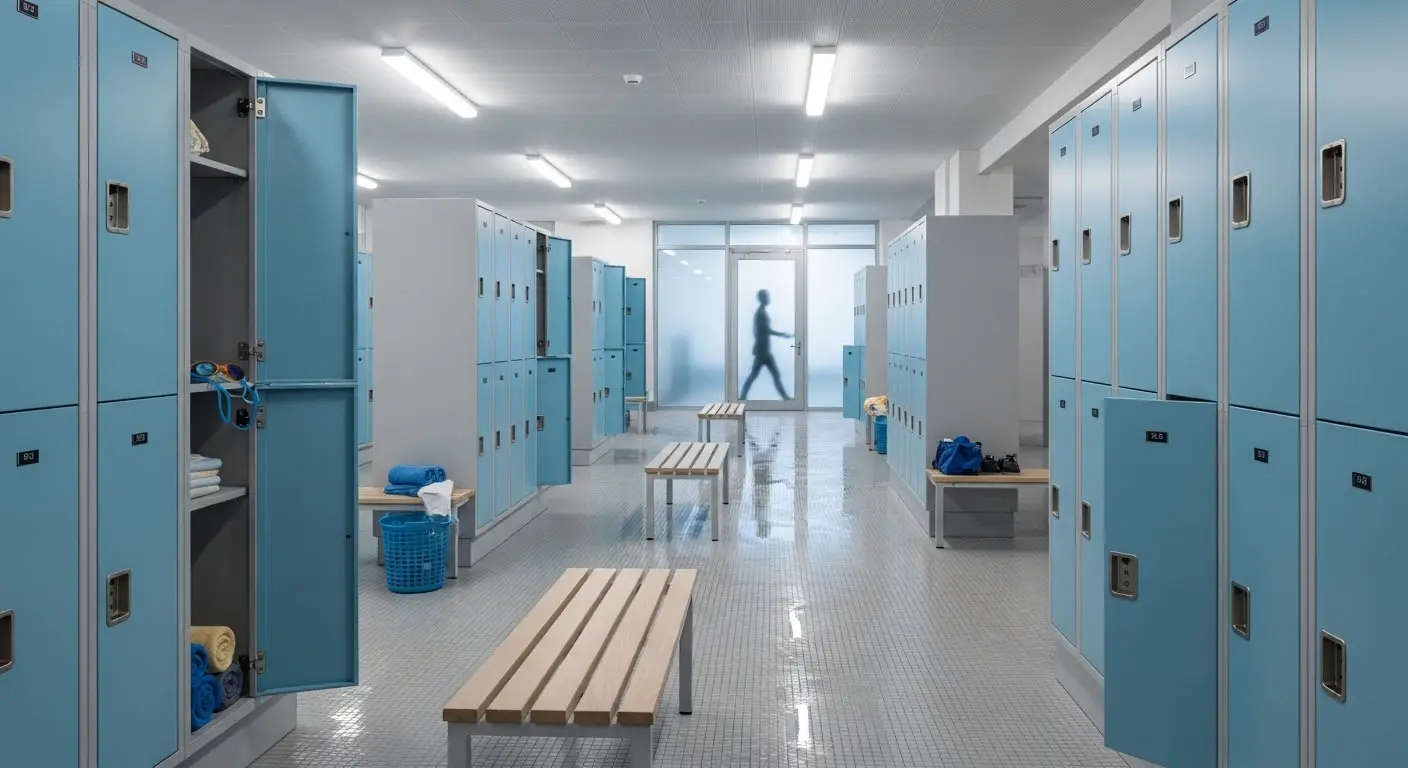
Such lockers as pool lockers have to work with moisture, steam, cleaning chemicals, and frequent use, unlike the lockers in a school or a workplace. It implies that the material, ventilation, locking system and the way of installation should be appropriate in a place with a high humidity.
A well-designed locker area usually includes:
-
Secure lockers in multiple sizes
-
Benches for changing
-
Clear numbering for easy use
-
Ventilation to reduce odor and dampness
-
Smooth surfaces for simple cleaning
-
Durable locks suited for short-term or day use
Why Pool Lockers Matter More Than Many Facilities Expect
Towels are not the only things that users of the pool bring with them. Most of them come with phones, car keys, fitness clothing, and additional clothing. In case a facility fails to offer reliable storage, visitors might leave something on the bench or the chair on the poolside creating a security and safety danger.
Swimming pool lockers improve the guest experience in several ways:
1) Security for Personal Belongings
People want peace of mind while they swim. A locker system with reliable locks helps prevent theft and reduces anxiety. When guests trust the storage area, they can focus on using the pool.
2) Cleaner and Safer Walkways
Loose bags and shoes on the floor can block paths and increase slip or trip risks. Lockers keep personal items off the ground and help staff maintain a safer changing room.
3) Better Facility Image
Visitors often judge a pool facility by the condition of its locker room. Clean, organized lockers signal that the business cares about hygiene and user comfort. This can influence reviews, repeat visits, and membership retention.
4) Easier Operations for Staff
A strong locker setup reduces clutter, lost-and-found issues, and complaints. Staff can clean faster and manage locker assignments more easily when lockers are clearly labeled and built for heavy use.
Best Materials for Swimming Pool Lockers
Material choice is one of the most important decisions. Pool environments are hard on storage units, so standard indoor lockers may fail early. Rust, swelling, and surface damage are common when the wrong material is used.
Here are the most common materials for swimming pool lockers:
Plastic Laminate Lockers
Plastic laminate lockers have a decorative outer layer over a core material. They can look attractive and come in many finishes, but they are not always the top choice for high-moisture spaces unless the core and edges are sealed well.
Pros
-
Good visual finish
-
Many design options
-
Suitable for some low-moisture indoor facilities
Cons
-
Edges can weaken if moisture enters
-
May require more maintenance in wet areas
-
Not ideal for heavy splash zones
HDPE Lockers (High-Density Polyethylene)
HDPE is one of the most popular options for pool locker rooms. It resists water, does not rust, and stands up well to frequent cleaning. It also handles impact better than many traditional materials.
Pros
-
Water-resistant and non-rusting
-
Strong in humid environments
-
Easy to clean
-
Long service life
Cons
-
Higher initial cost than basic metal options
-
Heavier than some alternatives
Phenolic Lockers
Phenolic lockers are made from layers of kraft paper and resin under high pressure. They are built for demanding spaces and perform very well in wet settings.
Pros
-
Strong moisture resistance
-
Durable and hard-wearing
-
Good for high-traffic pool facilities
-
Clean, professional appearance
Cons
-
Higher upfront cost
-
May need professional installation for best results
Stainless Steel Lockers
Stainless steel can work in pool facilities if the grade is suitable for moisture and chemical exposure. It offers a modern look and good durability, though it usually costs more than standard steel.
Pros
-
Strong and long-lasting
-
Clean metallic finish
-
Better corrosion resistance than regular steel
Cons
-
More expensive
-
Can show fingerprints and water marks
-
Needs correct grade to perform well near pool chemicals
Locking Options for Pool Lockers
The lock system should match how your facility operates. A school pool with repeat users may need a different setup than a hotel or public aquatic center.
Common lock types include:
Key Locks
A traditional option that many facilities still use. Staff issue a key, and guests return it after use.
Best for: Smaller pools, controlled access sites
Watch for: Lost keys, key management workload
Padlock-Compatible Lockers
Users bring their own padlock or rent one from the front desk.
Best for: Public pools and gyms
Watch for: Guests forgetting locks or using low-quality locks
Built-In Combination Locks
These remove the need for keys and are simple for day-use lockers.
Best for: Community centers, clubs, schools
Watch for: Reset and maintenance procedures
Digital or RFID Locks
These support modern operations and can connect with membership or wristband systems. They improve convenience and can help staff track locker usage.
Best for: Premium gyms, hotels, water parks
Watch for: Higher setup cost and power/battery management
How to Choose the Right Swimming Pool Lockers
Choosing lockers is not only about material. The best system fits your traffic volume, user type, and room layout.
1) Understand Who Uses the Pool
Start with the user profile:
-
Families with children need mixed locker sizes
-
Competitive swimmers may carry larger gear bags
-
Hotel guests often want simple, short-term use
-
Club members may prefer premium lockers with digital access
When you know who uses the space, you can choose the right locker dimensions and lock style.
2) Plan for Wet and Dry Zones
Pool locker rooms work best when the layout separates wet areas from changing and storage areas. This protects lockers from direct splash and helps keep the floor safer.
Place lockers in a zone with:
-
Good ventilation
-
Easy drainage nearby
-
Enough space for users to open doors without blocking traffic
3) Select the Right Locker Sizes
A mix of sizes is often the most practical choice. Many facilities combine:
-
Small lockers for wallets, phones, and keys
-
Medium lockers for clothing and shoes
-
Tall lockers for coats, backpacks, and larger bags
This gives users flexibility and helps the facility use wall space more efficiently.
4) Focus on Cleaning and Maintenance
Pool locker rooms need regular cleaning. Choose lockers with smooth surfaces, minimal dirt traps, and hardware that stands up to cleaning products.
Staff should be able to:
-
Wipe down doors and sides quickly
-
Replace lock parts without removing whole units
-
Read numbers clearly after long use
5) Think About Long-Term Cost
The lowest purchase price is not always the best value. Lockers in pool facilities take daily wear, moisture exposure, and repeated cleaning. A higher-quality material often lasts longer and reduces repair or replacement costs.
When comparing options, look at:
-
Expected service life
-
Warranty terms
-
Hardware quality
-
Maintenance needs
-
Replacement part availability
Common Design Features That Improve User Experience
Small details can make a locker room easier to use and easier to manage.
Useful features include:
-
Ventilated doors to reduce odor and moisture buildup
-
Sloped tops to prevent dust and item storage on top
-
Number plates for quick identification
-
Raised bases or legs to protect lockers during floor cleaning
-
Bench integration for smoother changing room flow
These features support both comfort and daily upkeep.
Final Thoughts
Lockers in swimming pools are not simple boxes. They promote the safety, cleanliness and the trust of the user throughout the facility. The intelligent locker system ensures the safety of personal objects, enhances the passage of people, and provides the guests with a more favorable perception since the time they enter the changing room.
The right locker system is also able to help pool operators with their maintenance problems and increase the long-term value. The trick is that you need to go with materials and lock types designed to withstand wet conditions and then to fit the layout to your users and space.
When designing a new pool or renovating an older locker room, begin with functionality and cleanliness. On that, construct a locker system that suits your visitor requirements and daily activities. It might not sound a big deal to have a properly planned locker area but this directly affects the mood of people towards your pool whenever they go there.
