
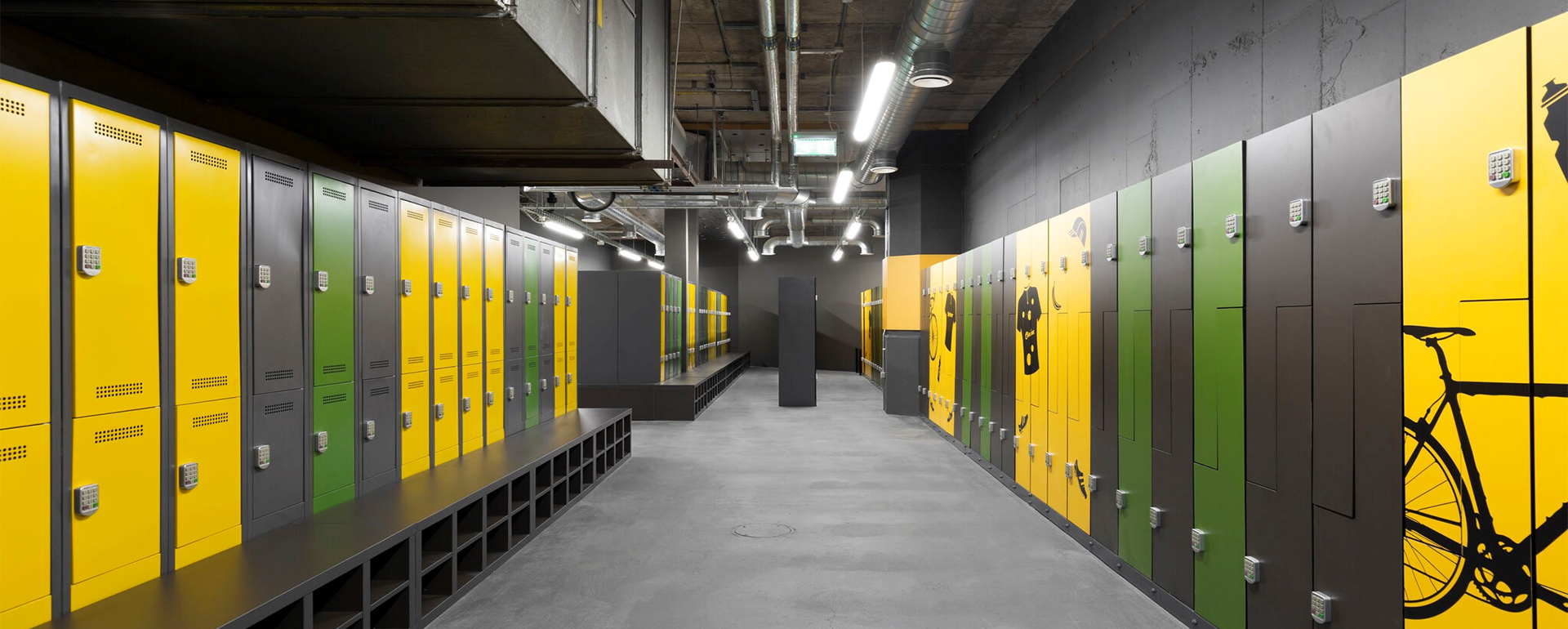
Plastic Lockers for Swimming Pools: A Durable Storage Choice for Wet Areas
Swimming pool plastic lockers are an effective remedy whereby facilities require to have secure storage in humid and splash prone facilities. Locker rooms of the pools are faced with constant moisture, exposure to chlorines, constant cleaning, and high daily traffic. Under such circumstances, regular lockers which are designed to be used in dry indoor areas frequently become worn out. Plastic lockers are designed to take a greater number of challenges into consideration and assist the facilities in keeping the changing area cleaner, safer and more organized.
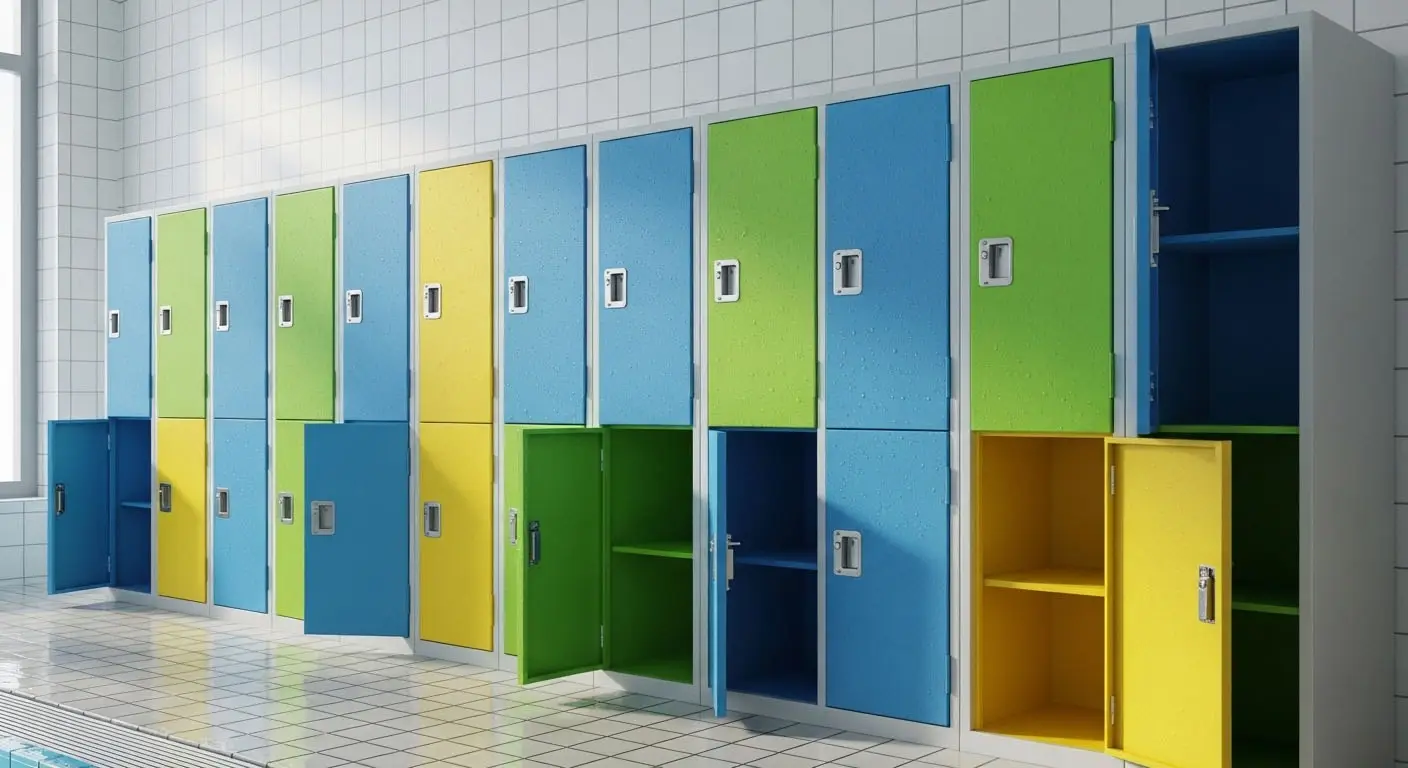
Whether it is a public pool center and school pools or even in the hotel, gym and even a single club, the right locker system can enhance the experience of the guest as well as reducing maintenance issues. Good locker system saves on inefficiency, security of personal property, and prevents congestion inside crowded changing rooms. Plastic lockers are unique in that they do not get easily damaged by water and do not need much maintenance as compared to most of the traditional ones.
This guide is an account of why plastic lockers are suitable in swimming pools, the features to consider and how to select the most appropriate combination to be used in your facility.
Why Swimming Pools Need Specialized Lockers
Swimming pool locker rooms are not ordinary storage spaces. They face a combination of conditions that can damage many locker materials over time:
-
High humidity from showers and wet clothing
-
Chlorine residue in the air and on surfaces
-
Frequent cleaning with water and chemicals
-
Heavy use during peak hours
-
Wet floors and occasional standing water
In this environment, lockers must do more than lock. They must stay stable, resist surface damage, and remain easy to clean. If the locker material swells, rusts, peels, or cracks, the facility ends up paying for repairs and dealing with user complaints.
Plastic lockers are widely used in pool facilities because they are better suited to these wet conditions than standard painted metal or wood-based lockers.
What Are Plastic Pool Lockers?
Plastic pool lockers are storage units made from water-resistant plastic materials, most commonly high-density polyethylene (HDPE) or similar polymers. These lockers are designed for wet areas and are often used in pool changing rooms, spas, water parks, and gym locker areas.
Unlike lockers with painted surfaces that can chip or corrode, plastic lockers usually have solid-color panels and moisture-resistant construction. Many models also include ventilated doors, corrosion-resistant hinges, and easy-clean surfaces.
They are available in different sizes and layouts, including:
-
Single-tier lockers for larger personal bags
-
Two-tier or three-tier lockers for mixed user needs
-
Small compartments for valuables and phones
-
Full-height lockers for clothing and backpacks
This flexibility makes plastic lockers suitable for both short-term day-use and more regular member use.
Main Benefits of Plastic Lockers for Swimming Pools
Plastic lockers offer several advantages that match the needs of pool facilities. These benefits affect both users and facility operators.
1) Strong Moisture Resistance
The biggest reason facilities choose plastic lockers is moisture resistance. Pool locker rooms stay damp for long periods, and many materials struggle in that environment. Plastic does not absorb water like wood-based panels, and it does not rust like untreated metal.
This makes plastic lockers a reliable choice for:
-
Indoor pools with constant humidity
-
Outdoor pool storage areas under cover
-
Shower-adjacent changing rooms
-
Spa and wellness facilities
Moisture resistance helps lockers keep their shape and appearance over time, even with daily exposure to wet towels and swimsuits.
2) Good Corrosion Performance
Pool environments expose hardware and surfaces to chlorine and cleaning chemicals. Plastic locker bodies hold up well under these conditions, especially when combined with stainless or corrosion-resistant hardware.
This helps reduce common issues such as:
-
Surface peeling
-
Rust stains near hinges
-
Door jamming from corrosion
-
Premature lock failure due to damp conditions
For facilities near the coast or in high-humidity climates, this benefit becomes even more important.
3) Easy Cleaning and Hygiene Support
Pool locker rooms need regular cleaning to stay safe and comfortable. Plastic lockers typically have smooth, non-porous surfaces that are easy to wipe down. They do not require repainting and are less likely to trap moisture in the panel itself.
A cleanable locker system helps staff:
-
Remove water spots and residue faster
-
Keep the changing area looking consistent
-
Reduce odor buildup with proper ventilation
-
Maintain a better hygiene standard with less effort
Many facilities choose plastic lockers because they support daily cleaning routines without adding extra maintenance steps.
4) Long Service Life in High-Traffic Areas
Pool lockers are used repeatedly throughout the day, especially in schools, public pools, and fitness centers. Doors open and close constantly, and users may handle lockers roughly during busy hours. Plastic lockers are known for handling impact and regular use well when the build quality is good.
This durability gives facilities a stronger return over time. A lower-cost locker that fails early often costs more in repairs, replacements, and labor than a durable locker installed once and maintained properly.
5) Improved Appearance Over Time
Many plastic lockers are made with solid color throughout the material, not just a painted coating. This means light scratches are less visible and the lockers keep a more consistent appearance after long use.
For facilities that care about presentation, this matters. A locker room with clean, uniform lockers supports a better impression for guests, parents, and members.
Best Plastic Materials for Pool Lockers
Not all plastic lockers are the same. Material quality affects durability, look, and long-term performance.
HDPE Lockers
HDPE (high-density polyethylene) is the most common and trusted plastic material for swimming pool lockers. It is widely used in wet-area storage because it resists water, handles cleaning, and offers good durability.
Why HDPE works well for pools:
-
Water-resistant and non-rusting
-
Strong impact resistance
-
Easy to clean
-
Suitable for humid and splash-prone areas
-
Good long-term value
HDPE lockers are often the first choice for public pools, schools, recreation centers, and apartment pool facilities.
Recycled Plastic Options
Some manufacturers offer lockers made with recycled plastic content. These can perform well in pool settings if the product is built to the same wet-area standard as virgin HDPE models.
This option may suit facilities that want to support environmental goals while still choosing a practical locker material. Buyers should confirm the locker is rated for high-moisture use and not only for light indoor storage.
Key Features to Look for in Plastic Pool Lockers
When selecting plastic lockers for a swimming pool, material is only the starting point. The hardware, layout, and design details also affect long-term results.
Ventilation
Wet clothing and towels can create odor if air does not move through the locker. Choose lockers with ventilated doors or airflow openings designed for pool use. Good ventilation helps reduce dampness and improves user comfort.
Corrosion-Resistant Hardware
Even if the locker body is plastic, hinges, handles, and lock parts are often metal. Look for corrosion-resistant hardware, especially in humid or chlorine-heavy environments. Poor hardware is a common failure point.
Secure Lock Compatibility
Pool users need a storage option they trust. Plastic lockers should support the right lock system for your facility, such as:
-
Key locks
-
Padlock-ready hasps
-
Built-in combination locks
-
Digital or RFID locks
The best choice depends on whether your users are day guests, members, students, or hotel visitors.
Easy-to-Read Numbering
Clear numbering helps guests find lockers quickly and reduces confusion during peak times. Durable number plates are especially useful in large aquatic centers and school facilities.
Raised Base or Legs
Floors in pool locker rooms are cleaned often and may stay wet. Lockers with legs, raised bases, or wall-mounted designs help protect the lower section and make floor cleaning easier.
Choosing the Right Locker Size and Layout
A good locker room layout makes the space easier to use and easier to manage. Start by looking at your visitor type and traffic patterns.
Small lockers
Best for phones, wallets, keys, and small valuables. Useful near lap pools or quick-use swim areas.
Medium lockers
Suitable for clothing, shoes, and small bags. A practical option for many public pools.
Tall lockers
Good for families, members, or users carrying larger backpacks and extra gear.
Many facilities use a mix of sizes to serve different users. This approach improves space efficiency and gives visitors better options without overcrowding the room.
When planning layout, leave enough room for:
-
Door swing
-
Walking paths
-
Bench space
-
Cleaning access
-
Entry and exit flow during busy times
A locker area that feels too tight leads to delays, crowding, and a poor user experience, even if the lockers themselves are high quality.
Indoor vs Outdoor Use for Plastic Pool Lockers
Plastic lockers are an excellent choice for indoor pool locker rooms, but they can also work in outdoor pool areas if the product is made for outdoor exposure. For outdoor use, confirm that the lockers offer UV resistance so they can handle sun exposure without fading or becoming brittle over time.
Even outdoor-rated plastic lockers last longer when placed under partial cover, such as:
-
Canopies
-
Roof overhangs
-
Shade structures
This helps protect locks and hinges while keeping the locker area more comfortable for guests.
Maintenance Tips for Plastic Pool Lockers
Plastic lockers are low-maintenance, but a basic routine helps them last longer and look better.
-
Wipe down surfaces regularly to remove chlorine residue and sunscreen
-
Check hinges and locks on a schedule
-
Tighten loose hardware early
-
Keep floor drains clear near locker rows
-
Replace damaged labels or number plates
-
Inspect ventilation openings for debris buildup
A simple preventive routine reduces unexpected repairs and keeps the locker room ready for peak season.
Final Thoughts
Swimming pool plastic lockers are an intelligent option in the swimming pools where the storage is required to be of long life and easily cleaned in the wet and humid seasons. They can withstand wet conditions, withstand daily cleaning and withstand heavy usage, which is why they are a great choice in public swimming pools, educational institutions, fitness centers, hotels and water parks.
Optimised outcomes occur when selecting a quality plastic material like HDPE, using it with corrosion resistant hardware and designing a layout that is conducive to traffic flow and maintenance. Plastic pool lockers make the pools more secure, cleaner, and less cluttered with the proper arrangement, which adds to the overall clean and cleaner look of the whole pool facility.
Plastic lockers should be taken into consideration should you be renovating an existing locker room or creating a new pool project because of their long-term performance and reduced pressure on maintenance.
